
Lost Your Tattoo Deposit? Your Rights as a Client When You Cancel, Run Late, or the Artist Goes Silent
You paid a deposit to book a tattoo appointment, and something went wrong — either on your side or the artist's. Before you start sending panicked DMs, what matters legally is exactly what you paid (a simple deposit or a legally binding "arvună") and whose fault the cancellation is. This guide walks through your actual rights under Romanian civil and consumer law, plus the practical steps to get your money back.
The difference between a plain deposit and a legal "arvună" under Romanian law decides your odds of getting the money back — plus the concrete steps to recover it when the artist cancels, delays, or disappears.
Deposit or "Arvună"? The One Word That Changes Everything
Romanian law treats a plain "avans" (deposit) very differently from an "arvună" (earnest money, regulated by Articles 1544–1546 of the Civil Code). A plain deposit is just a partial prepayment credited toward the final price — if the service never happens, it is owed back under general contract rules. An "arvună" carries automatic legal penalties baked in: it changes hands as a guarantee of commitment, not just a prepayment.
If the document, invoice, or written confirmation uses the word "arvună" (not just "avans" or "deposit"), Article 1544 of the Civil Code applies automatically: if you cancel, you lose the full amount; if the artist cancels or no-shows through their own fault, they legally owe you double what you paid. If it just says "avans" or specifies nothing at all, this special regime doesn't apply — ordinary rules on contract non-performance kick in instead, and the sum is generally owed back in proportion to what was never delivered.
If You're the One Cancelling or Running Late
A studio can have its own cancellation policy, but that policy only holds up if it was clearly communicated to you before you paid — on the website, in writing, or verbally confirmed. A rule you only find out about after the fact, buried in fine print you never saw, is much easier to contest.
- You cancelled with reasonable notice and the studio could rebook the slot — you can generally ask for a reschedule rather than losing everything.
- The cancellation policy was never explained to you before you paid — you can challenge the full deduction as an unfair practice.
- You were late but still showed up — you don't typically lose the deposit, though the session may be shortened or moved.
- You were a complete unexplained no-show — this is the situation where the studio has the strongest legal ground to keep the deposit or arvună.
If the Artist Cancels, Delays Without Reason, or Goes Dark
When the service isn't delivered because of the professional's own fault, you're entitled to terminate the contract (Article 1549 and following, Civil Code) and get the full amount back. If the sum was explicitly an "arvună," you're owed double under Article 1544(2). Going silent on Instagram or WhatsApp does not erase the debt — it just makes recovery slower and forces you to escalate.
Booked Online? You Also Have a 14-Day Withdrawal Right
Under Emergency Ordinance 34/2014 (Romania's distance-contracts consumer law), booking and paying online or by phone gives you a 14-day right of withdrawal with no reason required. The exception: if you explicitly asked for the service to start right away and confirmed in writing that you understood you'd lose this right once the service was fully performed, withdrawal no longer applies after full execution. For a booking where nothing has actually started yet, the 14-day right usually still applies in full.
Concrete Steps to Get Your Money Back
- Gather your evidence: receipt or invoice, WhatsApp/Instagram messages confirming the booking and the amount, bank transfer proof or a cash receipt if you have one.
- Send a written formal notice ("somație") with a clear payment deadline — typically 15 days — by message and email, so there's a timestamped record.
- If the studio is a registered business (SRL/PFA) and ignores or refuses, file a complaint with ANPC (Romania's consumer protection authority) — especially if the cancellation policy was never made clear to you.
- For amounts under 10,000 lei, you can file a small-claims request ("cerere de valoare redusă") at your local judecătorie — a simplified court procedure with a fixed fee of 50 lei under 2,000 lei or 200 lei between 2,000–10,000 lei, no lawyer required.
- If there are clear signs of fraud — the artist took the money knowing they'd never deliver, then cut off all contact — you can file a criminal complaint for fraud ("înșelăciune," Art. 244 of the Criminal Code) with the police or prosecutor's office.
Every case depends on the exact wording of what you signed or received and the specific circumstances. For larger sums or unclear situations, consult a lawyer or file a case-specific complaint with ANPC.
How to Avoid This Next Time: Spotting a Serious Studio
Look for a studio that issues a proper receipt or invoice for any amount, states its cancellation policy in writing before you pay, and communicates through official channels rather than only DMs. One indirect but useful signal: a studio that invests in proper single-use, sterile equipment and protective gear for every client is generally also the kind of studio that takes the administrative and contractual side seriously, not just the tattooing itself.
Check whether the studio uses single-use, sterile equipment
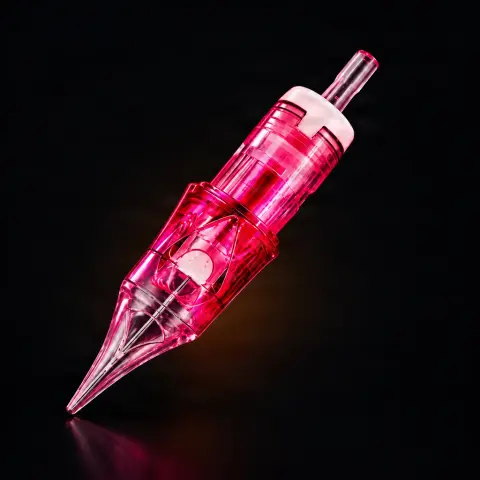
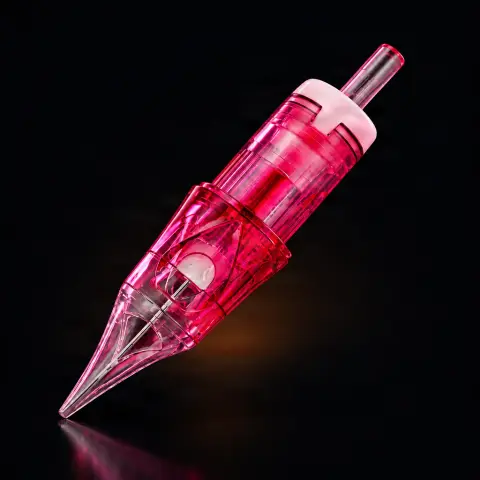
A sign of professionalism: fresh gloves and barriers for every client
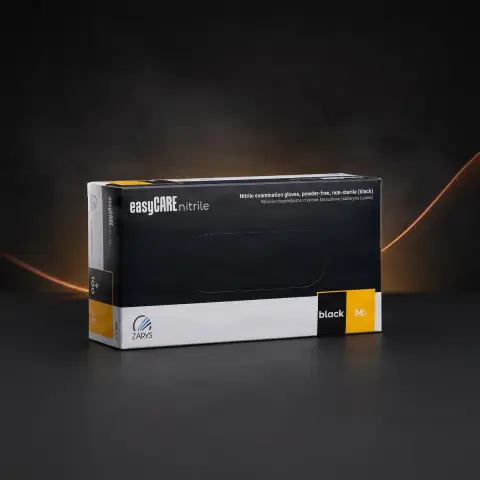
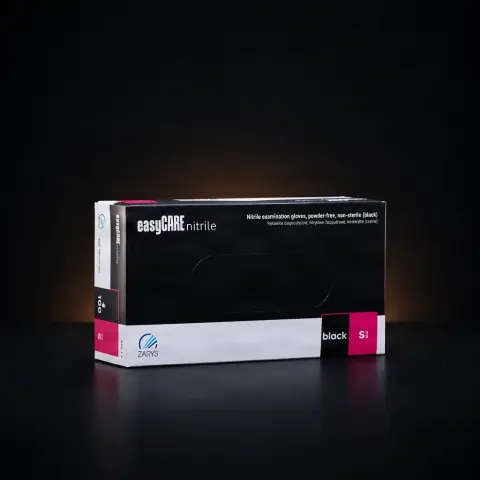

Browse the hygiene equipment professional studios use →
Surse și referințe
- Civil Code, Art. 1544–1546 — Arvuna confirmatorie
- Arvună vs. Avans — similarities and differences (Lawboutique)
- Emergency Ordinance no. 34/2014 on distance-contract consumer rights — full text
- The right of withdrawal — OUG 34/2014 (Lege5.ro)
- ANPC — Romania's National Authority for Consumer Protection
- Advance payment rules — what to do when the service isn't delivered (Capital.ro)
- Payment order and small-claims procedure — 2026 guide (Debtor.ro)
Întrebări frecvente
I paid the deposit in cash with no receipt — do I have any chance of getting it back?+
Yes, though it's harder. Booking confirmation messages, the agreed amount in writing, witnesses, or partial proof of a bank transfer all count as evidence. With zero written trace, recovery depends on the studio's goodwill or, if you can prove fraud through other means, a criminal complaint.
How long do I have to claim my money back?+
The general statute of limitations for contract claims in Romania is 3 years from the date you knew or should have known the service wouldn't be delivered. Don't wait, though — the sooner you act, the fresher your evidence.
The studio says the deposit is non-refundable no matter what — is that legal?+
A non-refundable clause can only hold up if it was clearly communicated to you before you paid, and if the cancellation or no-show was your fault. If the artist is the one who can't deliver the service, the clause doesn't exempt them from paying it back.
What do I do if the artist just stops replying entirely?+
Send a written formal notice with a deadline, keep proof it was sent, then move on to an ANPC complaint and/or a small-claims filing at your local court. Silence doesn't cancel the debt.
Can I claim damages beyond just the deposit itself?+
In principle yes, under the rules on contract termination for non-performance (Art. 1530, Civil Code), if you can prove additional losses — like special travel or accommodation booked for the appointment. For small amounts, though, the extra effort of documenting and claiming separate damages often isn't worth it.
Does it matter if the artist works independently rather than through a registered studio?+
Yes — recovery is legally and practically harder from someone without a registered business, since ANPC and certain procedures apply specifically to the consumer–professional relationship. You can still use the small-claims court procedure and, if warranted, a criminal complaint, regardless of the other party's legal status.