
Single-Use Consumables for a Tattoo Studio: Complete Guide
A tattoo or PMU studio goes through dozens of single-use consumables every day — not just gloves. Bed sheets, work trays, protective sleeves and aprons, bonnets, shoe covers, cups and cleaning pads together form the barrier that separates one client from the next. This guide walks through each category, its role, and how to pick the right format for your volume of work.
Bed sheets, trays, sleeves, aprons, bonnets, shoe covers, cups and cotton pads — the full single-use barrier protocol for a tattoo, PMU or piercing studio.
Why single-use barriers matter
Each item below has one job: eliminate direct contact between reusable surfaces (mattress, table, chair) and a client's skin or fluids. The basic rule is simple — any surface that touches a client gets fully replaced before the next one, not quickly wiped down and reused.
Protecting the work surface: bed sheets and trays
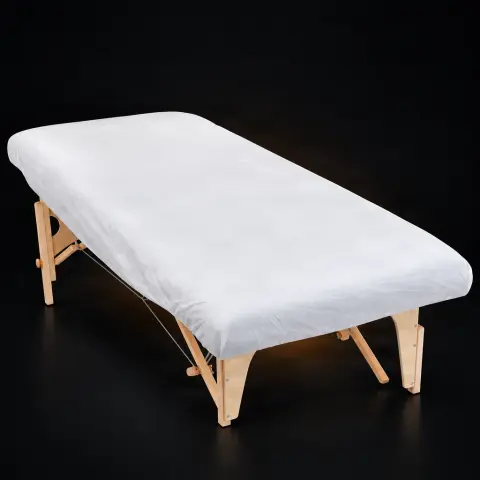
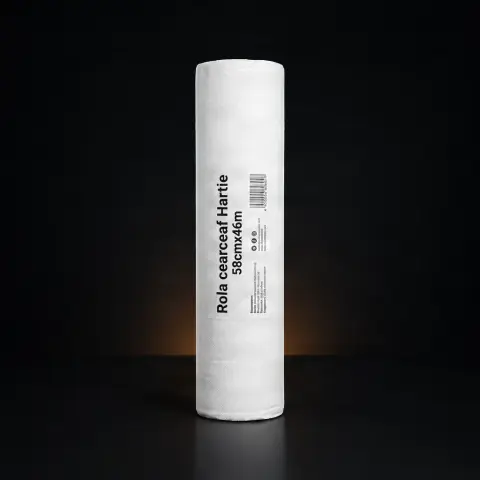
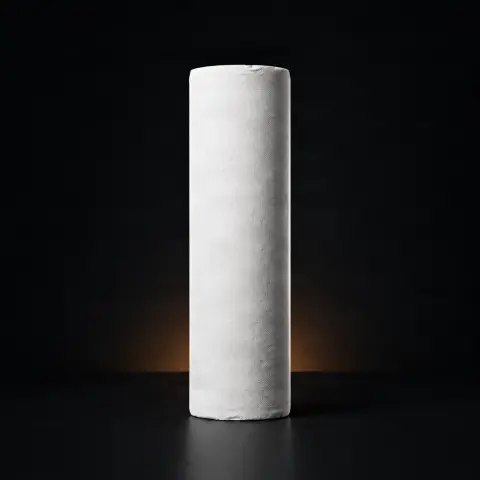
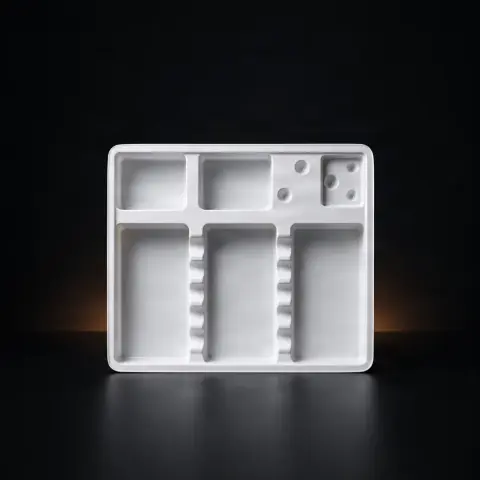
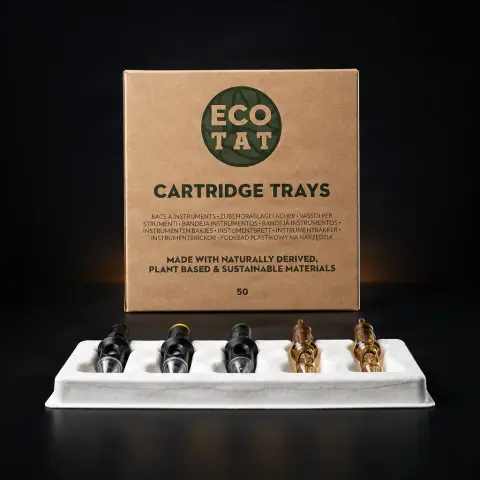
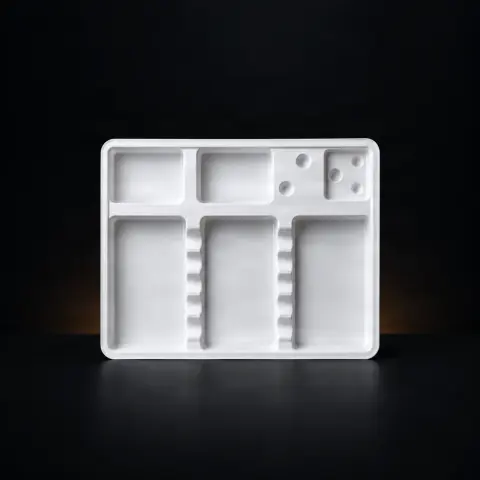
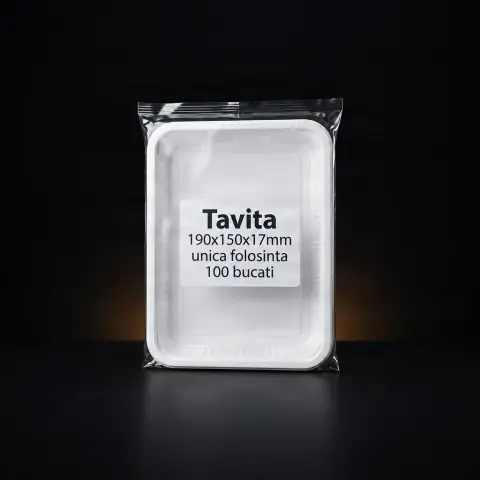
Elastic-corner bed sheets come laminated (with a waterproof layer, for procedures with high fluid-contact risk) or non-laminated (more breathable, for regular procedures). They're sold individually, for testing or topping up stock, or in packs of 10 for a better per-unit price. Disposable trays replace reusable mixing palettes — thrown away after each client, along with whatever is left on them.
Disposable bed sheets and trays

Work trays
Protecting the artist: sleeves, aprons, bonnets, shoe covers
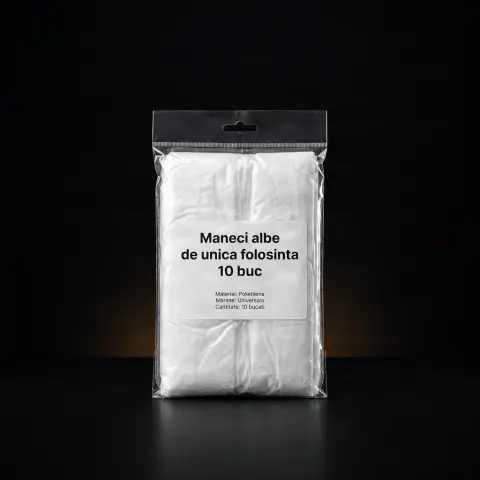
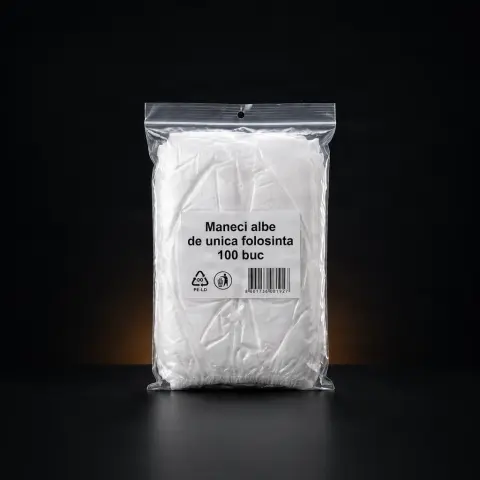
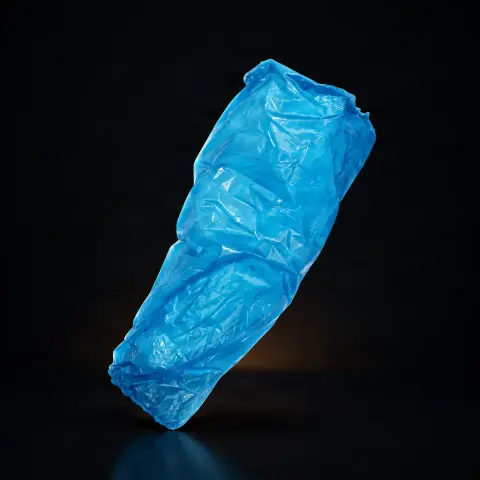
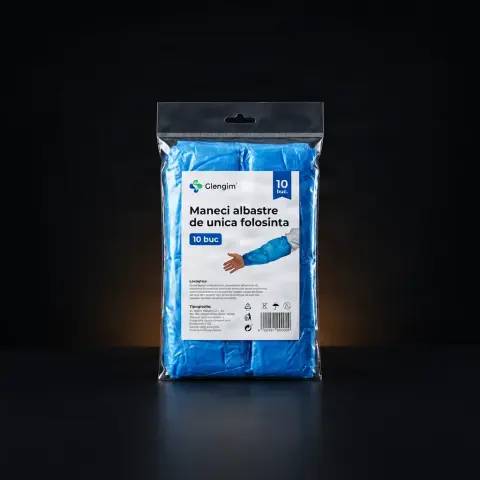
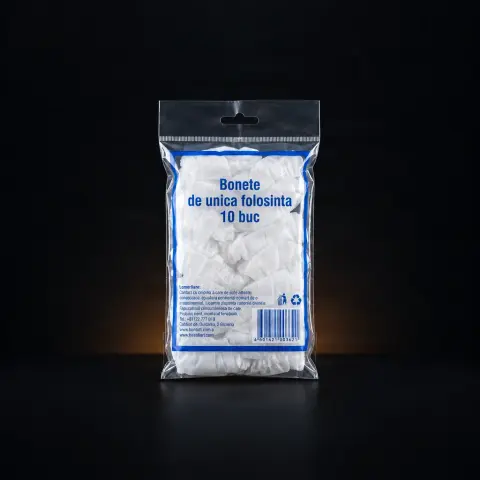
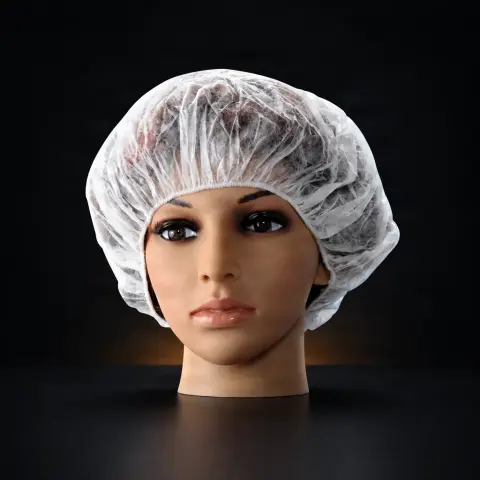
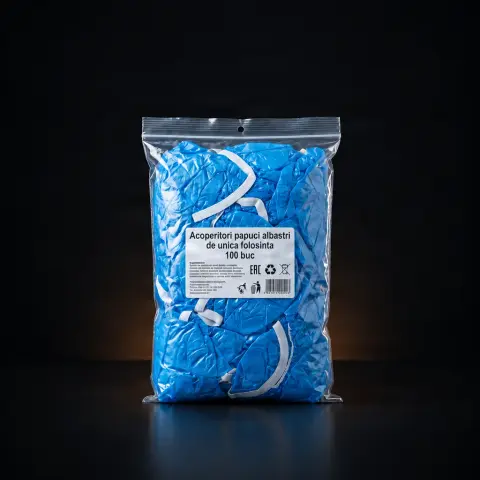
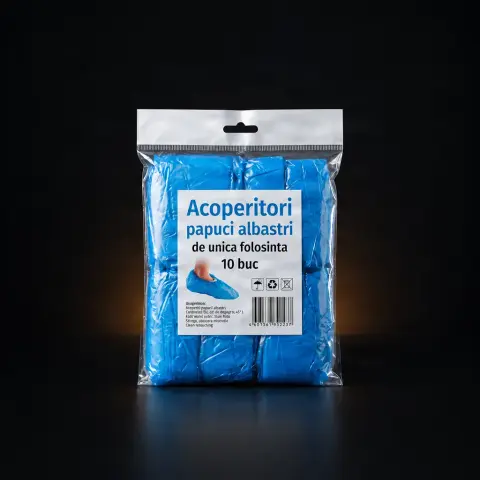
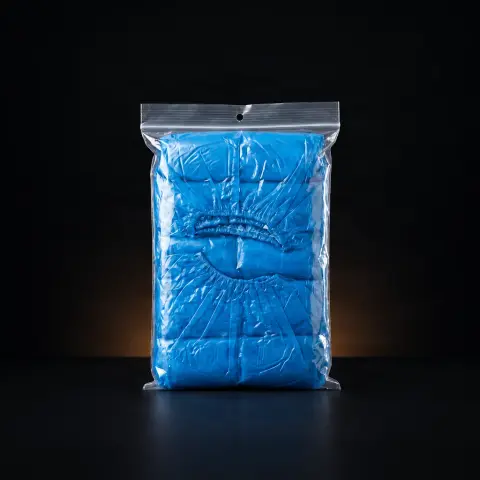
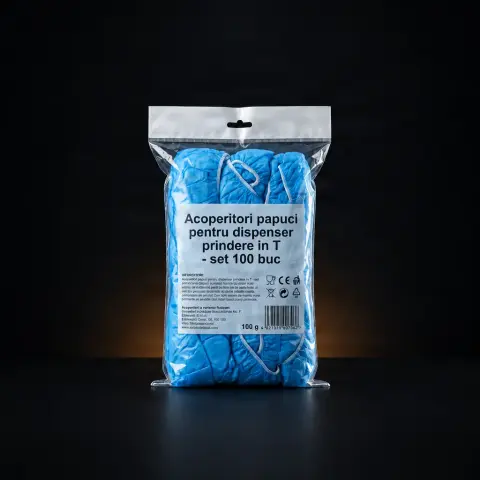
Disposable sleeves (white or blue) protect the artist's forearms during long sessions, especially in work with heavy ink or blood contact. Aprons cover the rest of the body. Bonnets prevent hair from falling onto the sterile work area, and shoe covers help maintain floor hygiene at the station. All four are disposed of as regular waste after each session, not biological waste, unless directly contaminated with fluids.
Protective sleeves
Protective bonnets
Shoe covers
Cups and cleaning pads
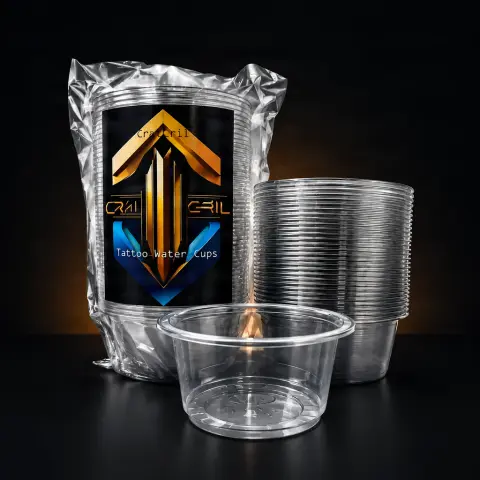
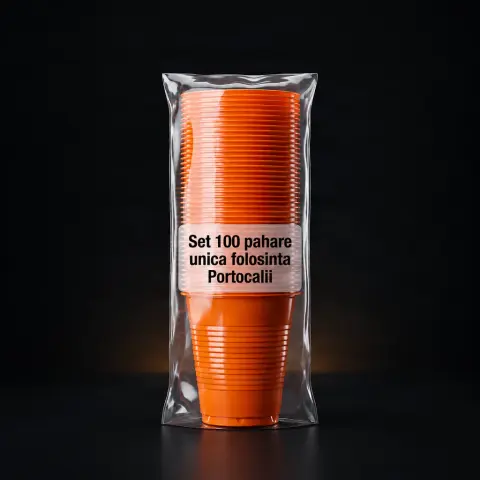
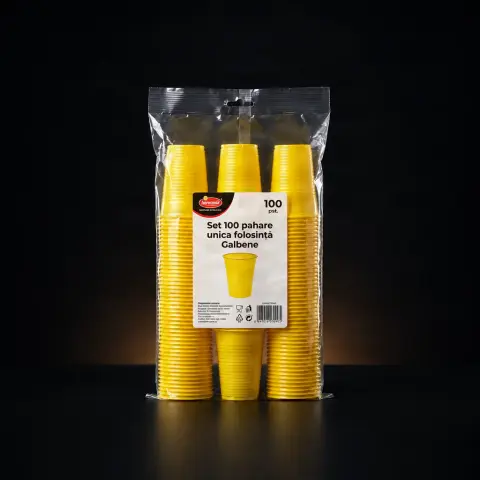
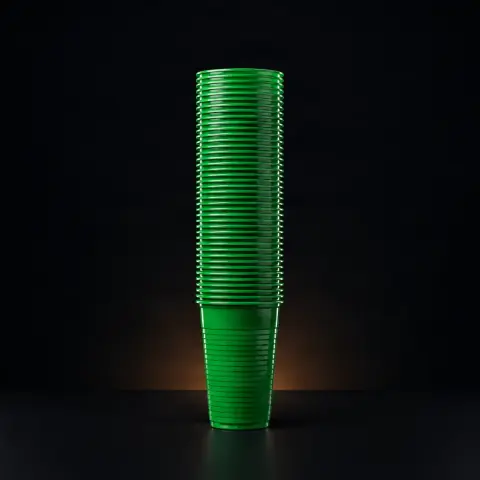
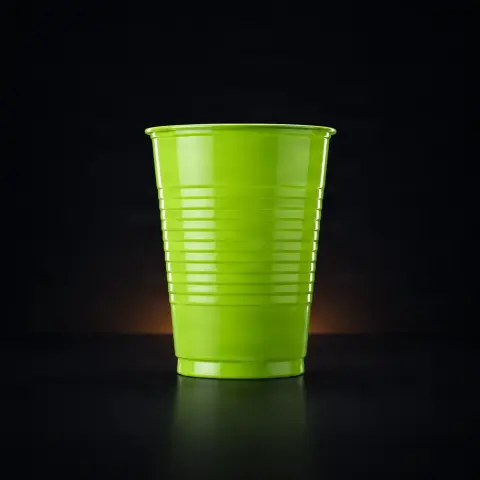
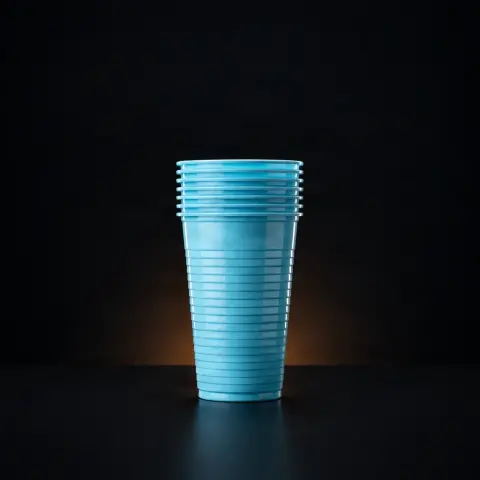
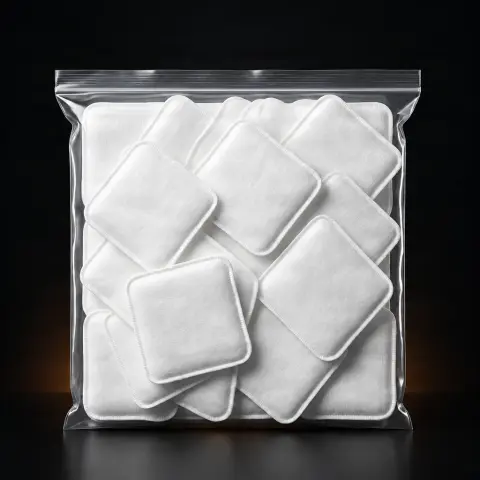
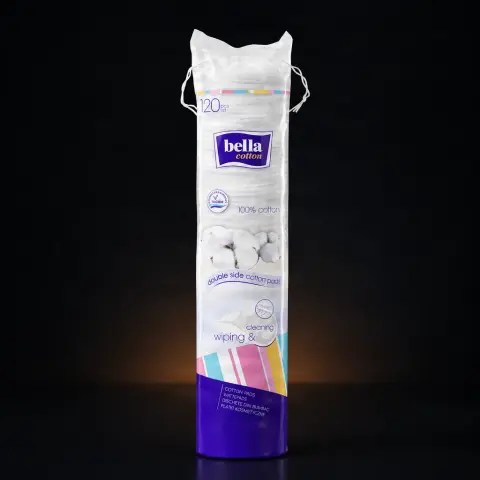
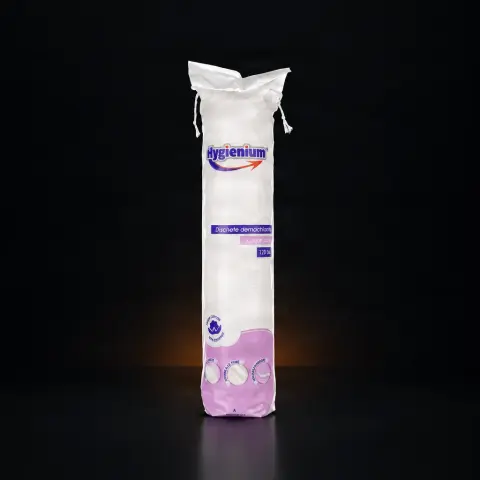
Coloured disposable cups are used for mixing or temporarily holding working solutions — different colours per content type help with quick visual organisation at the station. Cotton pads are used for cleaning skin or applying antiseptic solutions, generally preferred over reusable fabric for direct contact with the work area.
Disposable cups
Cleaning cotton pads
Gowns and disposable razors
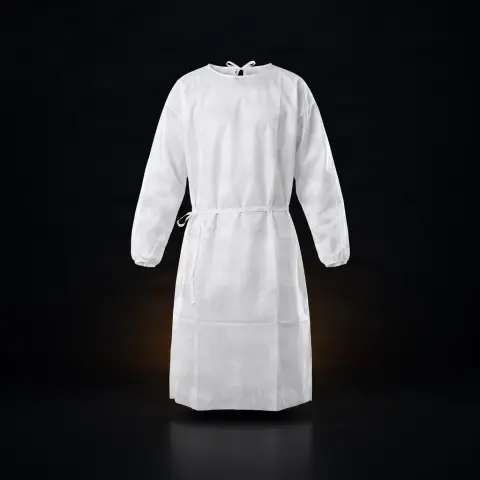
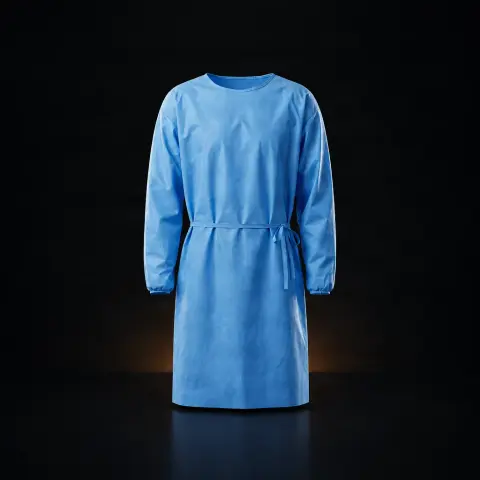
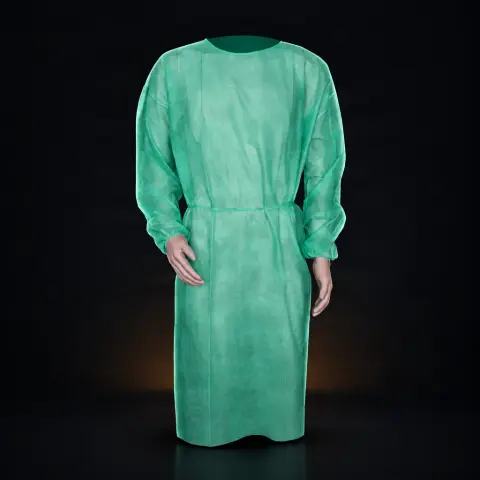
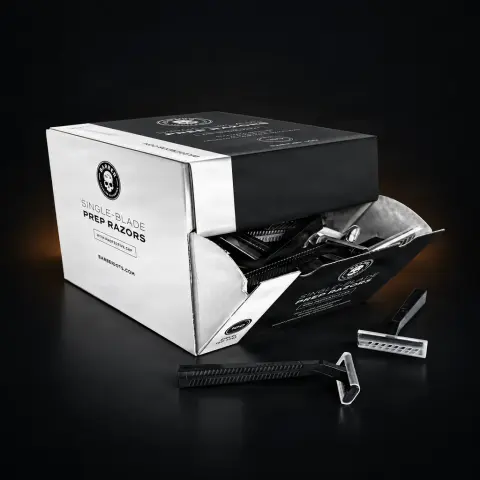
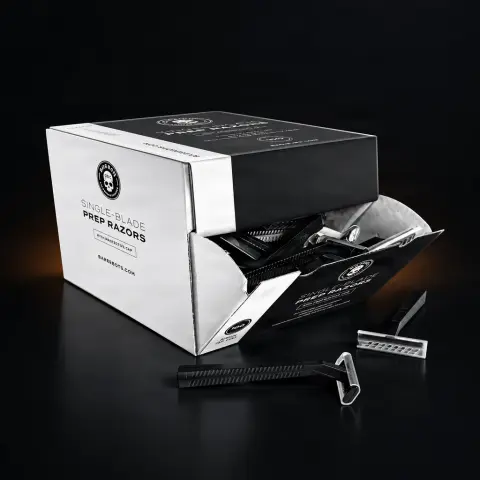
Disposable gowns with back ties are used for procedures requiring partial undressing (tattoos on larger body areas), offering coverage and comfort between session stages. Disposable razors prepare the work area before stencil application, on skin with hair — used once per client, then disposed of.
Disposable gowns
Disposable razors
A single-use item is disposed of after every client, no matter how clean it still looks. Reusing any of the above — even for a short session — goes against the standard hygiene protocol in the tattoo industry.
Întrebări frecvente
What's the difference between laminated and non-laminated bed sheets?+
Laminated sheets have an extra waterproof layer (polyethylene) that fully blocks liquids — suited for procedures with high blood or heavy ink contact risk. Non-laminated sheets are more breathable and comfortable for the client but don't offer full waterproofing.
How often are the artist's sleeves and apron changed?+
For every new client, like any single-use barrier. If they get visibly soiled during a long session, they're changed mid-session too.
Are bonnets and shoe covers biological waste?+
Usually no — regular waste, since they don't directly contact biological fluids. The exception is visible contamination with blood or other fluids, in which case they follow the studio's medical waste protocol.
Is it better to buy single pieces or a pack?+
Single pieces are useful for testing a product or topping up existing stock with the exact quantity needed. For regular consumption, packs of 10 or 100 have a better per-unit price.