
How to Spot a Good Tattoo Artist Before You Book: 8 Red Flags to Avoid
Picking a tattoo artist isn't just about matching a style — hygiene, paperwork, and how they communicate matter as much as the portfolio. This guide walks through 8 concrete warning signs that point to a studio or artist worth avoiding, before you pay a deposit or lock in an appointment.
A practical checklist of 8 warning signs — from inconsistent portfolios to upfront cash pressure — to help you avoid a risky studio before you book an appointment.
Why checking beforehand matters
A tattoo you're unhappy with can sometimes be fixed with a cover-up or laser sessions, but an infection from unsterilized equipment can have lasting consequences. Checking a handful of details before booking — portfolio, hygiene, paperwork, payment method — takes 10-15 minutes and rules out most of the risk.
The 8 red flags
- Inconsistent portfolio — only photos of freshly done tattoos (red, swollen), no healed work shown at the 3-4 week mark, or a style that jumps from realism to lettering to traditional with no clear direction.
- A visibly dirty studio — dust, ink residue on surfaces, no protective barrier film on the chair, tray, or lamp handle, trash that hasn't been emptied.
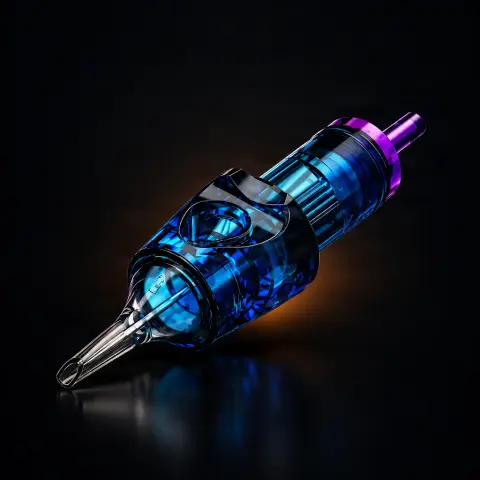
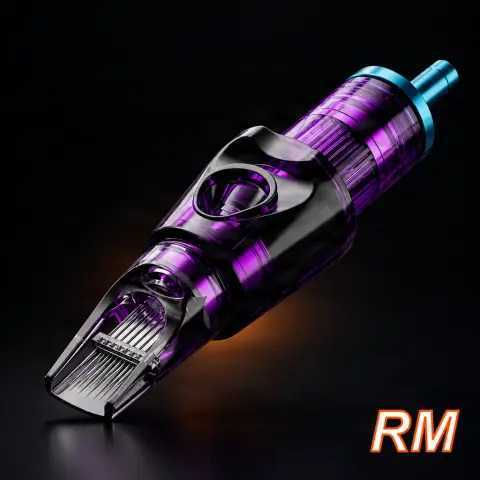
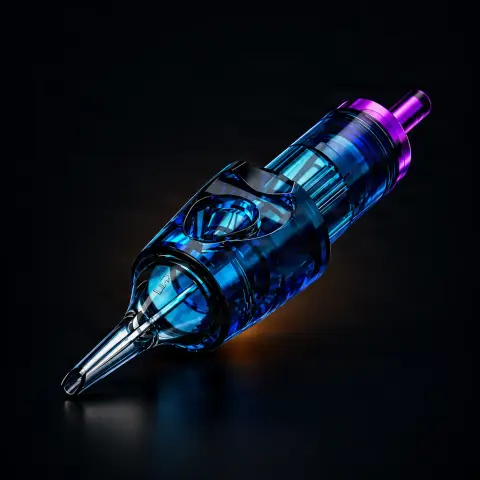
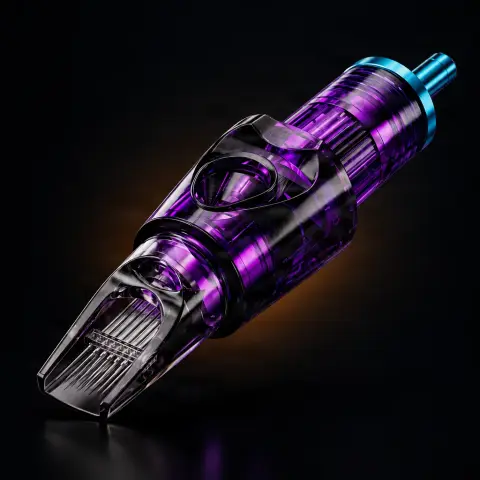
- No single-use equipment visible — needles, gloves, and cartridges should come out of sealed sterile packs in front of you; if the artist preps everything ahead of time or doesn't open fresh packaging where you can see it, that's a serious sign.
- Pressure for a large deposit, cash only, with no receipt or written confirmation — a reasonable deposit (typically 10-20% of the price) is normal as a booking guarantee, but demanding full payment upfront or refusing any written proof is not.
- Won't answer questions about sterilization — a serious artist explains without hesitation what gets used only once and how reusable equipment is sterilized.
- No consultation or custom drawing — copying a design straight from the internet without discussing placement, size, or how it fits your body.
- Price far below market rate for the complexity of the piece — an unusually low price usually means less time spent, cheaper equipment, or lack of experience, not a bargain.
- No reviews, or reviews that can't be verified — no reviews with real photos of the work, or reviews that all look like they were written around the same time in the same style.
Hygiene and sterilization: what you should see for yourself
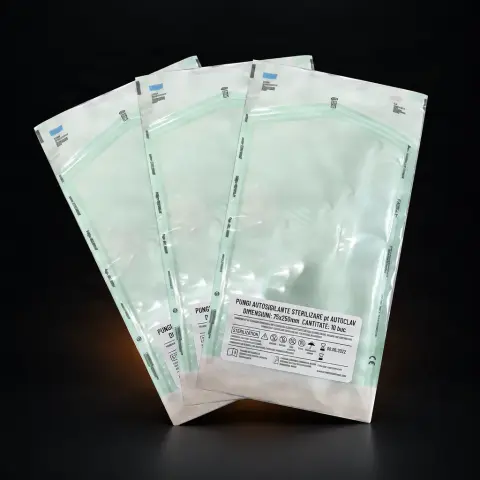
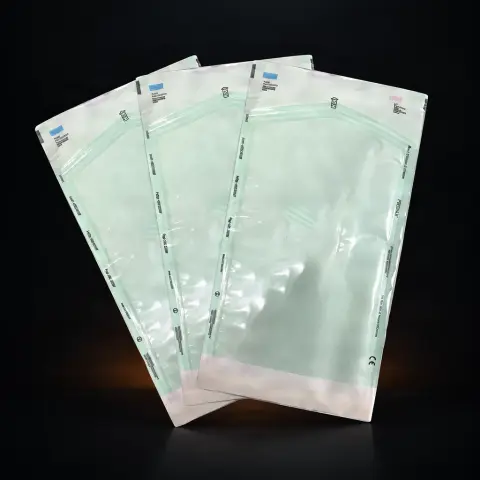
In a properly run studio, needles and cartridges come out of sealed sterile packs opened in front of you, gloves get changed every time an unprotected surface is touched, and reusable equipment (metal grips, some machine parts) goes through an autoclave — steam sterilization under pressure, periodically verified with biological indicator tests. If you don't see an autoclave or sterile packaging anywhere in the work area, ask directly how sterilization is handled.
Disposable gloves and protective equipment
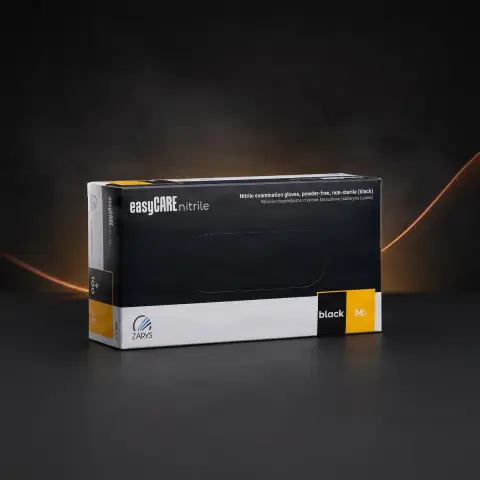
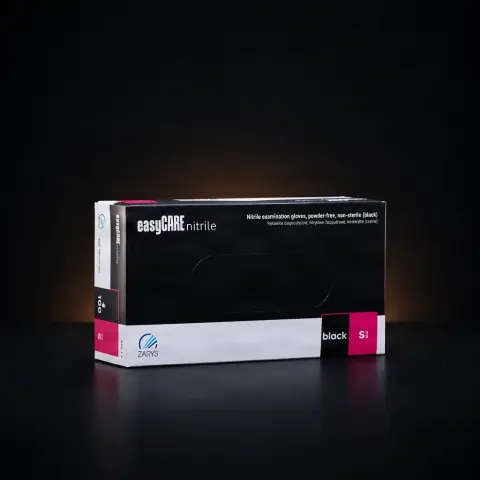
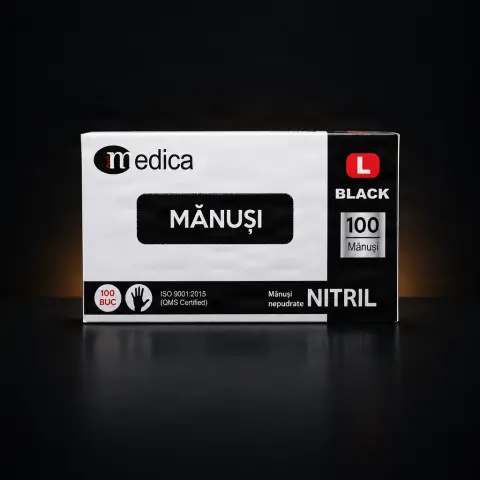
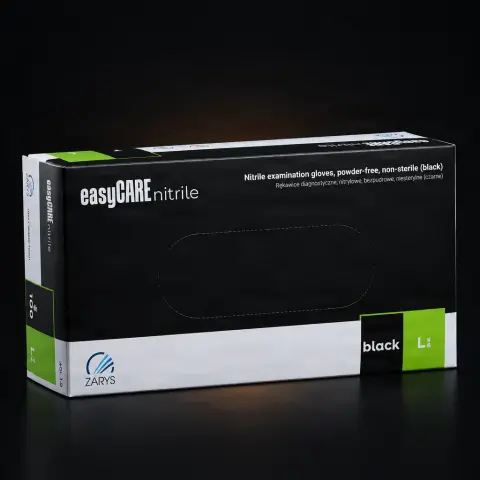
Sterile, individually packaged needles and cartridges
Unsterilized or reused equipment can transmit local bacterial infections or, in serious cases, bloodborne diseases such as hepatitis B/C. If you notice spreading redness, warmth, pus, or fever after getting tattooed, see a doctor — this guide is meant for prevention, not as a substitute for medical care.
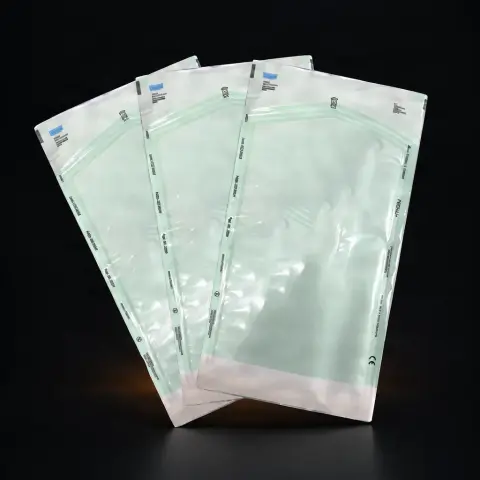
Autoclave sterilization pouches
Deposit pressure and missing paperwork
A deposit of 10-20% of the estimated price, paid by transfer or card with written confirmation (a message, email, or simple contract), is standard practice — it protects the artist from last-minute cancellations. Demands for full payment upfront, cash only with no proof, or a sudden price change on the day of the appointment are signs something is off.
The portfolio: what to actually look for
Ask to see at least 5-10 healed pieces (not just fresh ones) in the style you want, from different angles. A real portfolio shows consistency — clean lines, even shading, colors that haven't visibly faded — not just a handful of hand-picked successful shots.
Paperwork and licensing you should see
In Romania, a tattoo/piercing studio is legally required to hold a Sanitary Operating Authorization issued by the local Public Health Directorate (DSP), displayed visibly at reception, and artists should hold qualification certificates plus sanitary hygiene training. If no documentation is posted, or the studio refuses to show it on request, that's reason enough to look elsewhere — the same standard is worth applying wherever you're booking, not just in Romania.
- Ask for 5-10 photos of healed work, not just fresh tattoos
- Ask directly: 'What's single-use, and what do you sterilize?'
- Check whether a sanitary operating license is posted at reception
- Get written confirmation for any deposit (message/contract), not just a verbal promise
- Read recent reviews with real photos, not just the overall rating
- Visit the studio in person before booking, if possible
See the protective and sterilization equipment a serious studio should be using →
Surse și referințe
Întrebări frecvente
How big should a normal tattoo deposit be?+
Usually 10-20% of the estimated price, paid with written confirmation. Larger amounts, or a demand for full payment upfront — especially cash only — are a warning sign.
What exactly counts as 'single-use equipment' in tattooing?+
Needles, cartridges, gloves, ink caps, and barrier film used once and discarded after each client. Only the machine's metal parts (grip, tube, in some setups) go through autoclave sterilization between uses.
How do I check if a studio has a sanitary operating license?+
The Sanitary Operating Authorization should be posted visibly at reception. If you don't see it, you can ask directly or contact the local Public Health Directorate for confirmation.
Does a portfolio full of great photos automatically mean the artist is hygienic?+
Not necessarily — artistic quality and hygiene are separate criteria. A strong portfolio shows skill, but sterilization, paperwork, and studio conditions still need to be checked separately.
What should I do if I notice signs of infection after getting tattooed?+
Spreading redness, warmth, pus, persistent swelling, or fever are reasons to see a doctor right away. This guide is for prevention, not a substitute for medical care.
How do I check reviews without being fooled by fake ones?+
Look for reviews with real photos of the actual work, posted at different times (not all written on the same day), and ask the artist directly for 2-3 recent client references if online reviews are thin.