
Wrap Healing vs Dry Healing for Tattoos: What's Actually Recommended Today
If different artists have tattooed you, you've probably gotten conflicting aftercare instructions — one sends you home with a clear adhesive film over the tattoo, another just tells you to wash and moisturize. Both approaches can heal a tattoo well, but they're not interchangeable on a whim, and each comes with its own rules. Here's what the wound-healing research actually says, why the industry has shifted toward wrap healing, and when dry healing is still the right call.
A fact-checked comparison of tattoo healing methods, with research-backed reasoning for why more artists now default to wrap (second-skin) healing.
The two methods, in short
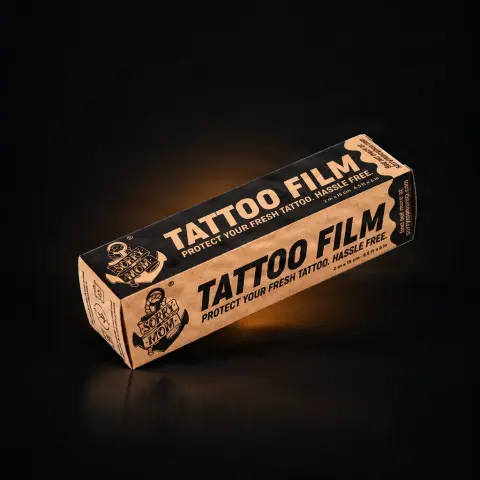
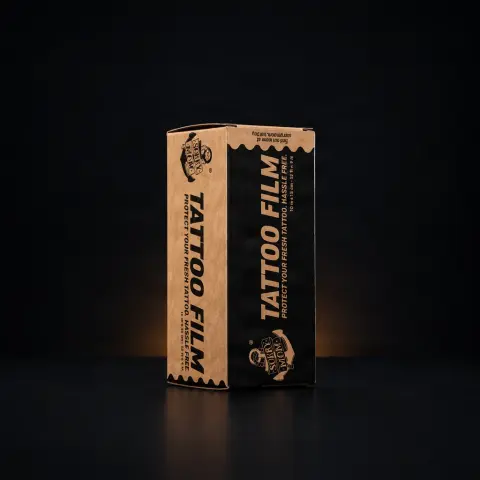
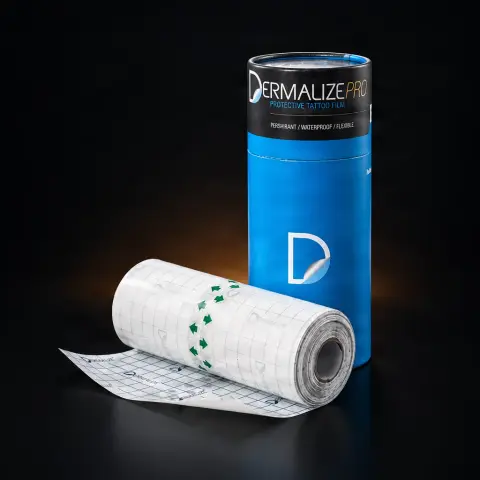
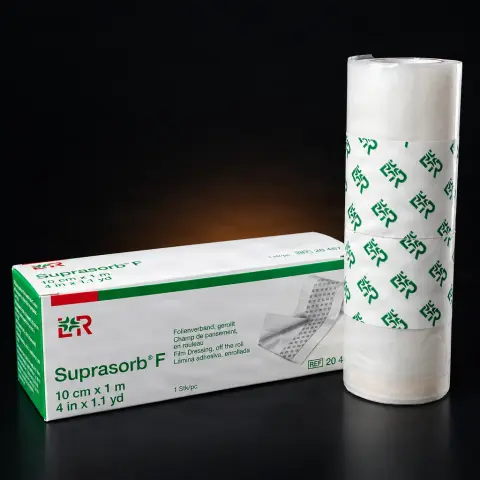
Wrap healing (also called second-skin healing) means a transparent, medical-grade adhesive film goes directly over the fresh tattoo right after the session. It stays on for several days — typically 3-5, sometimes with one change at the 24-hour mark — trapping plasma, blood, and excess ink under a protective layer. Dry healing skips any occlusive covering after the studio's initial bandage: the tattoo is washed, patted dry, and moisturized a few times a day, left exposed to air the rest of the time.
Why wrap healing has become the default in more studios
- Less thick scab formation — skin stays controlled-moist, and classic wound-healing research shows faster epithelialization in a moist environment than under a scab
- Less itching and less temptation to scratch, which lowers the risk of pulling ink out along with a scab
- A physical barrier against environmental bacteria, clothing friction, and transfer from unwashed hands during the most vulnerable window (roughly the first 24-72 hours)
- Contains plasma and blood, meaning fewer stains on clothes or sheets and a visually less alarming healing process for the client
- Requires fewer hands-on touches from the client, which means fewer chances for contamination through poor aftercare habits
Healing wrap film for fresh tattoos
What the research says about moist vs dry healing
The scientific basis for occlusive/moist wound healing traces back to George Winter's classic 1962 study, which showed epithelialization of superficial wounds proceeding roughly twice as fast under an occlusive film compared to wounds left to dry and scab over. That principle later carried into modern medical dressings and, more recently, into tattoo-specific aftercare products. A 2022 study in the Journal of Cosmetic Dermatology, focused specifically on post-tattoo care with a dermo-cosmetic product, reported improvements in discomfort and skin-repair quality. One important caveat: most occlusive-healing research was done on clean surgical wounds under controlled conditions — a tattoo is a different kind of wound (thousands of punctures, foreign pigment deposited in the dermis), so the findings extrapolate reasonably well but aren't a one-to-one match.
The real risks of wrap healing
The acrylic-based adhesives used in transparent medical dressings can trigger allergic contact dermatitis — redness, intense itching, and sometimes small blisters, typically outlined right along the edge of the film. Dermatology literature describes this as relatively uncommon but real. If you know you have sensitive skin or a history of reacting to medical tape or bandages, tell your artist before the film goes on — dry healing may be the better call from the start.
The second real risk: if the film's seal fails — an air bubble, a lifted corner — or too much fluid builds up underneath, that moist environment can start favoring bacteria instead of blocking them. That's why the exact wear time your artist or the film manufacturer recommends actually matters: leaving it on longer "to be safe" is the wrong instinct, and so is peeling it off early out of curiosity.
When dry healing is still the right choice
- Known allergy to adhesives/medical tape, or generally reactive skin
- Areas where film doesn't adhere well or peels quickly — joints, palms, soles, areas with heavy hair or heavy sweating
- Hot, humid climates where sweat builds up under the film faster than it can practically be changed
- Artist's style and experience — some have years of a tested dry-healing protocol and stick with what reliably works for them
- Client preference for being able to visually monitor the wound day to day without a film in the way
| Criterion | Wrap healing (second skin) | Dry healing |
|---|---|---|
| What goes on the tattoo | A transparent, medical-grade adhesive film, right after the session | Nothing occlusive after the studio's initial bandage |
| How long the covered phase lasts | Typically 3-5 days, sometimes with one change at 24 hours | There is no covered phase — wash, pat dry, moisturize a few times a day |
| Scabbing | Thinner — skin stays controlled-moist | Thicker scabs, formed in a dry environment |
| Itching and urge to scratch | Lower, so less risk of pulling ink out with a scab | Higher, along with the thicker scab |
| Barrier against bacteria, clothing and hands | Yes, exactly through the vulnerable 24-72 hour window | No — protection depends entirely on the client's hygiene |
| How much the wound gets touched | Rarely, until the film comes off | Often: daily washing and moisturizing, repeated |
| Staining clothes and bedding | Plasma and blood stay contained under the film | Leaking is possible in the first days |
| Risk specific to the method | Allergic dermatitis to the acrylic adhesive; a failed seal or fluid pooling underneath | Thick scabs that can take pigment with them if picked off |
| When it's the right call | Now the default in more and more studios, on flat areas and tolerant skin | Adhesive allergy, joints/palms/soles, hot humid climates, an artist's tested protocol |
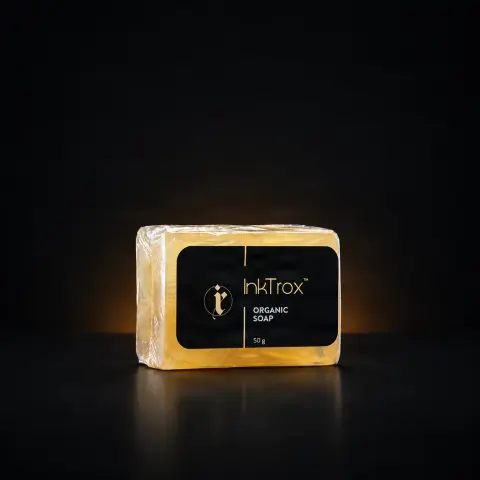
Cleansing soap for fresh tattoos
Rules that apply no matter which method you use
- Wash your hands before any contact with the tattoo, wrapped or not
- Follow the exact wear-and-change interval your artist recommends for the film — don't estimate it yourself
- Once the film comes off (or from day one, for dry healing), moisturize with a thin layer a few times a day for 2-3 weeks
- Avoid prolonged soaking — pools, baths, the sea — until the tattoo is fully healed
- Keep the healing tattoo out of direct sun and away from tanning beds
- Watch for signs of an actual infection — spreading redness, local heat, pus, persistent swelling, or fever — and see a doctor if any appear
Tattoo healing lotion
That's normal — every artist calibrates their protocol around their own style, the products they're used to, and their clients' track record. If a previous studio told you something different from your current one, follow the instructions of the artist who did the tattoo you're currently healing, rather than blending advice from different sources. When in doubt about something specific, call the studio — it's faster and safer than improvising.
Browse complete tattoo aftercare kits →
Surse și referințe
- Saniderm — Official tattoo aftercare guide (wrap healing)
- WoundSource — Moist vs dry wound healing, incl. Winter's 1962 study
- Journal of Cosmetic Dermatology (Wiley, 2022) — Tattoo aftercare with a dermo-cosmetic product
- PubMed — Allergic contact dermatitis caused by acrylic-based medical dressings and adhesives
- Healthline (medically reviewed) — Tattoo healing timeline, incl. AAD recommendations
Întrebări frecvente
Is wrap healing better than dry healing?+
There's no universal answer that fits everyone. Classic wound-healing research shows faster epithelialization in a moist, occlusive environment compared to healing under a scab, which is why the industry has shifted heavily toward wrap. But individual factors — adhesive allergies, sweating, placement, an artist's trained technique — can make dry healing the better fit in specific cases. Both methods, done correctly, produce good results.
How long should I keep the film on my tattoo?+
Typically 3-5 days for the first layer, or exactly per your artist's instructions or the film manufacturer's guidance. Some artists recommend a change at 24 hours, followed by a second layer worn longer. Don't leave it on longer than instructed "just to be safe" — that can actually increase the risk of fluid building up underneath.
What if I get itching or redness under the film?+
Mild itching is a normal part of healing. But redness that clearly extends beyond the edges of the film, small blisters, or intense burning can signal an adhesive allergic reaction rather than an infection of the tattoo itself. Remove the film, gently clean the area, and switch to dry healing; see a doctor if symptoms persist or worsen.
Can I shower with the film on?+
Yes — most medical-grade films are designed to hold up against shower water for short periods. Still avoid prolonged soaking (baths, pools, the sea) and heavy scrubbing of the area until it's fully healed.
Why did a previous artist tell me to dry heal, and a new one gave me film?+
Preferences vary by tattooing school of thought, an artist's personal experience, and the products they're used to working with — it doesn't mean either one is wrong. Always follow the instructions of the artist who did the specific tattoo you're healing, rather than mixing advice from different sources.
Does wrap healing really prevent color loss?+
By reducing thick scabbing and scratching, wrap healing can lower the risk of pulling out pigment along with a scab during the healing phase. Long-term, though, correct tattooing technique, consistent moisturizing, and sun protection (SPF) matter just as much, if not more, for keeping color vibrant.