
Pulse Arc Welders for Permanent Jewelry: A Buying Guide for Studios
Permanent jewelry — chains welded shut directly on a client's wrist, ankle, or neck, with no clasp — has become a common add-on service in piercing and PMU studios. The core tool is a pulse arc welder, and the gap between a starter unit and a professional one shows up in control, consistency, and daily-use durability, not just price. This guide walks through what actually differs between the two tiers and what to verify before you commit budget to the category.
What actually separates an entry-level pulse arc welder from a professional one, and what to check before adding permanent jewelry as a new service in a piercing or PMU studio.
What a Pulse Arc Welder for Permanent Jewelry Actually Does
A pulse arc welder fires an extremely short electrical pulse that fuses the two open ends of a jump ring shut — no solder, no open flame. The result is a bracelet, necklace, or anklet with no clasp: the piece stays on until the client chooses to cut it off. The underlying technology has been used in precision jewelry and electronics assembly for decades; permanent jewelry studios apply it directly on a client's skin.
Why This Fits Naturally Next to Piercing or PMU
Permanent jewelry draws on a client base similar to piercing and micropigmentation — people already comfortable with a quick, visible, in-studio procedure. Upfront cost is lower than opening a new tattoo or PMU station, and each client typically takes 10-20 minutes. That doesn't make it a free add-on: the welder, training, and chain inventory are separate line items, and the safety side (UV exposure, burns, hygiene) deserves the same rigor as any other skin procedure.
Entry-Level vs Professional: What Actually Changes
The gap between a base machine and a professional one isn't about raw welding power — it's about control, consistency, and how the machine holds up under daily use. Seven specs matter in practice:
- Energy range (joules) — an entry model usually covers a narrower range, enough for standard gold-filled chain; a professional model climbs toward 60J and also handles sterling silver or thicker surgical steel.
- Increment control — fine adjustment steps (down to 0.1J on some units) matter on thin chain, where an overpowered weld burns through the link.
- Weld spot diameter — determines how discreet the join stays on fine chain.
- Stylus/cord length and flexibility — a roughly 1.8 m cord lets you position the stylus comfortably on a wrist or ankle without pulling the client toward the machine.
- Optics/magnification — an attached loupe or magnifying lens improves precision, especially at higher daily client volume.
- Duty cycle and build quality — a professional unit holds a pace of consecutive welds without overheating; an entry model needs more frequent breaks.
- Warranty and service — professional models typically ship with longer warranties and easier access to replacement parts.
Internationally, entry-level welders start around $1,700 (e.g. the Sunstone Zapp), while professional, higher-volume models run $2,400-2,800 (e.g. Zapp Plus 2) or push into the full 60J tier (e.g. Orion mPulse PRO). Pricing varies by distributor and EU import duties — treat these as budget benchmarks only, not final pricing for the Romanian market.
What to Check Before You Invest — Checklist
- Estimated monthly client volume and a realistic payback timeline — at 10-20 minutes per client, a professional machine only pays off past a certain booking threshold.
- Energy range and compatibility with the materials you plan to offer (gold-filled, sterling silver, surgical steel, titanium) — not every machine welds every material equally cleanly.
- Fine increment control, essential on thin chain where the margin for error is small.
- Stylus length and mobility, especially if you'll also work events or pop-up stands.
- Consumables — electrodes and stylus tips wear out and need replacing; check their availability and cost in Romania before you buy, not after.
- Warranty and service — who repairs the machine if it fails, and how quickly.
- Power requirements (voltage, outlet type) and whether the unit is portable enough for off-site work.
- Whether training is included or sold separately — some manufacturers tie the warranty to completing an official course.
Safety: What You Need to Know Before Welding Near a Client's Skin
The electric arc used in pulse arc welding emits ultraviolet light, the same as any electric welding process. Repeated or unprotected exposure can cause 'welder's flash' — a corneal burn whose symptoms (stinging, swelling, tearing, extreme light sensitivity) often show up hours after exposure rather than immediately. Repeated long-term exposure raises the risk of permanent eye damage. The weld spot itself also stays hot right after the pulse, and direct contact with skin can leave a small burn.
UV safety glasses or an auto-darkening lens for the operator on every weld. Safety glasses for the client too, who should never look directly at the arc. A physical barrier (e.g. a piece of leather or insulating material) between the weld spot and the client's skin to prevent contact burns. A ventilated workspace. None of this is brand-specific — these are baseline principles for any close-proximity electric welding.
Permanent jewelry isn't a medical procedure, but it carries a real risk of burns and UV exposure — treat it with the same safety discipline as piercing or PMU. Always follow the machine manufacturer's safety instructions, and if you have doubts about your electrical setup or an occupational safety protocol, consult a licensed electrician or safety specialist before launching the service.
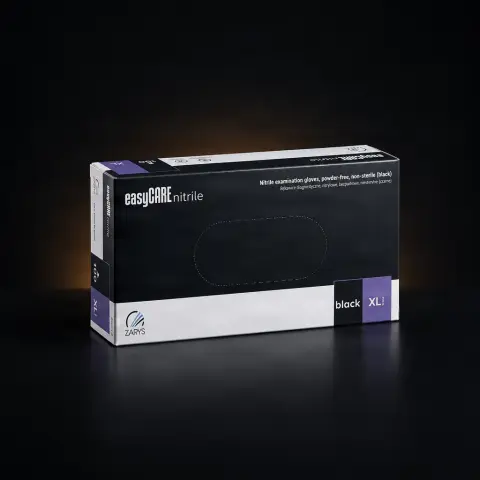
Gloves and procedure protection
Hygiene and Instrument Control — Same Baseline as Piercing
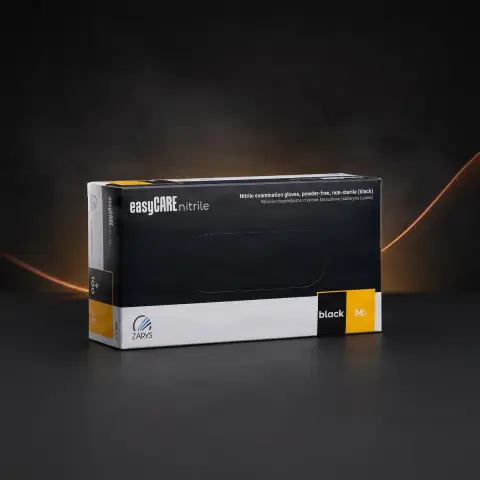
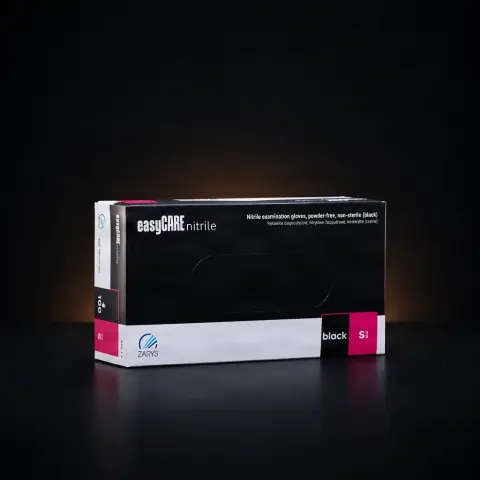
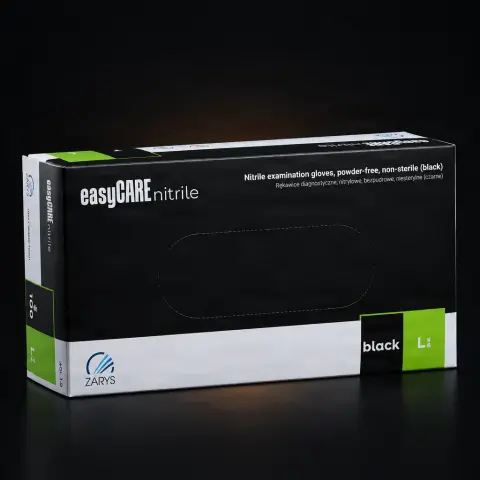
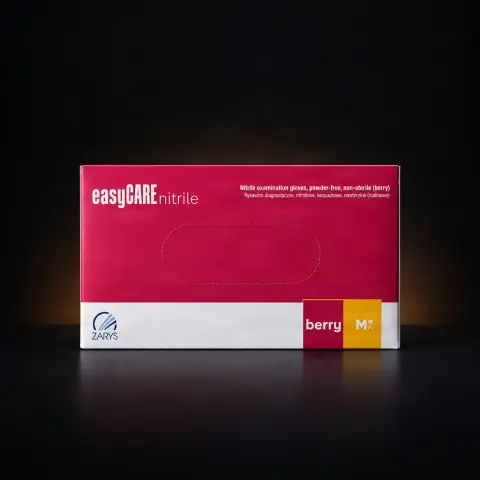
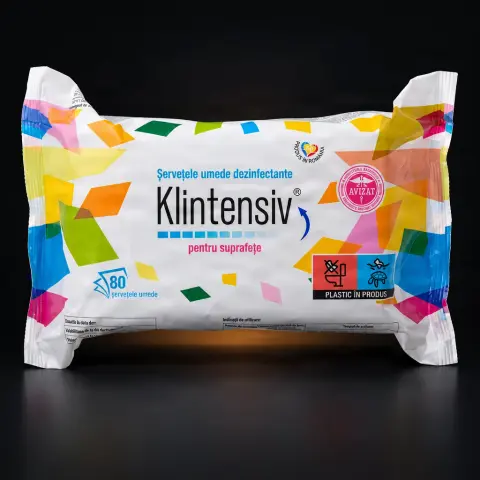
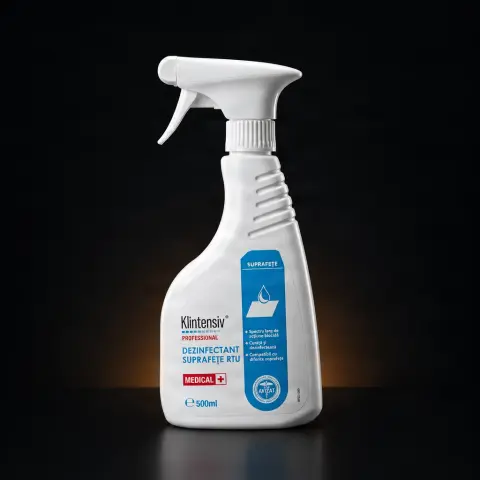
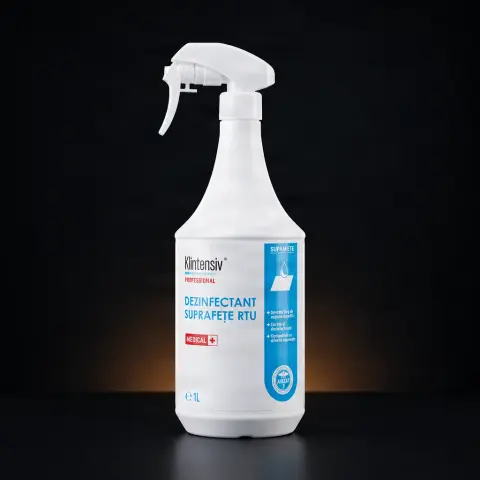
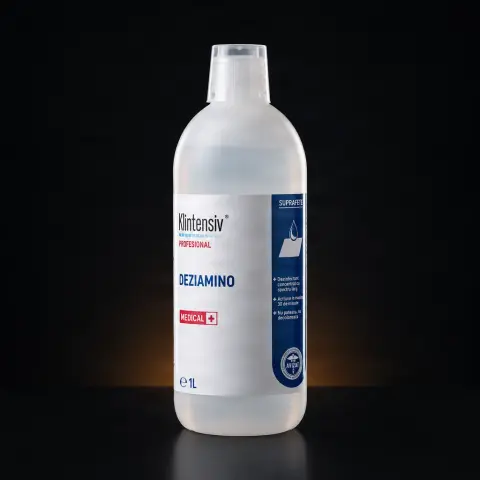
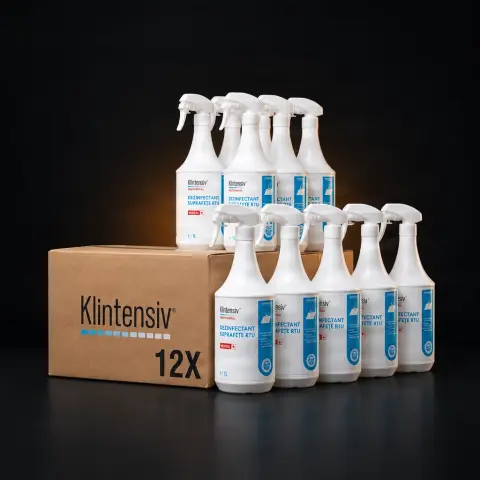
The stylus and electrode touch the client's skin directly, so cross-contamination risk exists just like with any reusable instrument. Disinfect the stylus and work area between every client, use single-use gloves for each procedure, and where the machine allows it, consider dedicated or easily sterilized stylus tips. Document your hygiene protocol as clearly as you would for piercing — clients ask, and a visible protocol builds trust.
Instrument disinfectant between clients
Chain Materials — What You're Actually Selling
Chain quality matters as much as the machine. Gold-filled (not thin gold plating) holds up to daily wear including showers or occasional swimming, while sterling silver and some surgical steels are common options for clients on a tighter budget or with nickel sensitivity. Check the machine's spec sheet for the gauges and materials it welds cleanly — a weak weld on a low-quality chain fails fast and turns into a complaint, not a referral.
Rough Startup Budget
A realistic minimum budget covers the machine (from roughly $1,700 for an entry unit, converted to EUR/RON with duties), an initial chain stock in 2-3 materials, protective equipment (UV glasses, gloves), consumables (electrodes, stylus tips), and, if the manufacturer offers it, a training course. Payback speed depends directly on your price per procedure and how much client volume your studio can drive to this new service.
Browse protective equipment and consumables for skin procedures →
Surse și referințe
- Sunstone Welders — Why Your Permanent Jewelry Business Must Have a Permanent Jewelry Welder
- Lincoln Electric — Welding Safety FAQs: Personal Protective Equipment
- The Always Busy Mama — Safety Precautions for Permanent Jewelry
- FSM Direct — Ways to Prevent and Treat Welding Burns to the Eyes and Skin
- Sunstone Welders — Pulse Arc Welders (TIG) collection, reference specs
Întrebări frecvente
What's the real difference between an entry-level and a professional welder?+
It isn't about raw welding power — it's the energy range (joules), fine increment control, weld spot diameter, duty cycle at volume, and warranty/service. An entry unit covers standard gold-filled chain at lower volume; a professional model climbs toward 60J, handles more materials, and holds a daily work pace without overheating.
Do I need a course or certification to operate the machine?+
There's no mandatory state certification for this procedure in Romania, but most manufacturers offer machine-specific training, and some tie the warranty to completing it. We recommend completing official training before working on clients.
What safety risks does the procedure actually involve?+
The main risks are UV exposure from the arc (which can cause 'welder's flash', a corneal burn with delayed symptoms) and small contact burns from the weld spot, which stays hot right after the pulse. Both are prevented with safety glasses for operator and client and a physical barrier between the weld spot and skin.
What materials does pulse arc welding work on?+
Most commonly gold-filled chain, sterling silver, and, depending on the model, some surgical steels or titanium. Not every machine welds every material cleanly — check the spec sheet before buying chain stock.
Is the investment worth it for a small piercing or PMU studio?+
It depends on how much client volume you can drive to this new service and the price per procedure your local market supports. An entry machine lowers the initial financial risk, but if you expect steady volume, a professional model with a better duty cycle pays for itself faster over the medium term.
What consumables do I need to budget for besides the machine?+
Electrodes and stylus tips (they wear out with use), chain stock in multiple materials and gauges, single-use gloves, instrument disinfectant, and optionally spare safety glasses for clients.