
Nickel Allergy from Piercing Jewelry: How to Spot It and Which Metal to Switch To
Redness, itching, or tiny blisters around a fresh piercing worry everyone, and the first thought is usually "it's infected". Often, though, it's an allergic reaction to the nickel in the jewelry alloy, not a bacterial infection — and the two need completely different responses. This guide shows how to tell them apart and which metals are nickel-free.
Redness and itching that show up 12-48 hours after a new piercing don't automatically mean infection — it could be a nickel allergy to the jewelry alloy. Here's how to tell the difference and which metals solve it.
What nickel allergy is and why it shows up at piercings
Nickel allergy is the most common cause of allergic contact dermatitis worldwide, according to the Mayo Clinic — the immune system reacts to prolonged skin contact with nickel in a jewelry alloy. A fresh piercing is even more exposed, because the wounded, moist tissue inside the channel lets nickel leach directly into healing skin. Once the immune system is sensitized, it reacts to every later contact, and reactions tend to get faster and more severe with each repeated exposure.
Nickel allergy symptoms (and when they show up)
This is contact dermatitis — it appears strictly where the jewelry touches the skin, not spread suddenly over a wide area the way an infection usually does.
- Persistent redness and itching right around the piercing hole
- Dry, eczema-like skin, or fine flaking
- Small blisters or clear-to-yellowish fluid weeping (not thick pus)
- Mild swelling, without noticeably increased warmth to the touch
- A burning or irritated feeling rather than throbbing pain
A nickel allergy reaction usually shows up 12-48 hours after contact, sometimes up to 72 hours — not instantly like a mechanical irritation would. If symptoms drag on for weeks or come back every time you wear the same piece of jewelry, nickel allergy is a likely cause.
Allergy or infection? How to tell them apart
The two get confused because both cause local redness and discomfort. The real tell is the type of discharge, whether there's fever, and how fast the reaction spreads.
Signs pointing to allergy:
- Intense itching, more prominent than pain
- No pus — at most clear or slightly yellowish fluid
- No fever or chills
- The reaction stays strictly at the jewelry contact point
- Visibly improves once the suspect jewelry is removed
Signs pointing to infection:
- Thick yellow or greenish pus, often with a bad smell
- Pain that keeps increasing, not just itching
- Noticeable local warmth and redness spreading outward
- Fever or chills
- Symptoms that don't improve after removing the jewelry
If you see pus, fever, chills, or redness spreading quickly beyond the piercing area, that's not an allergy — see a doctor, not just your piercer.
Which metal to switch to instead of nickel
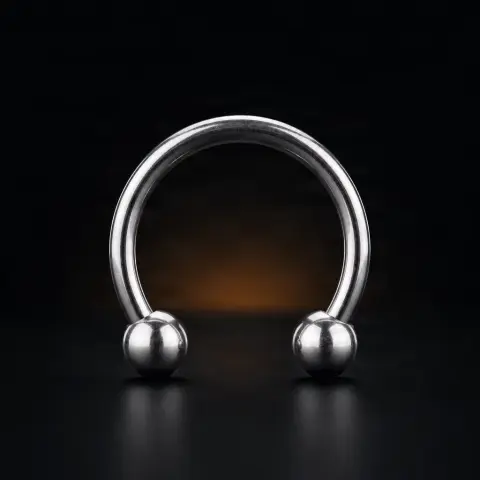
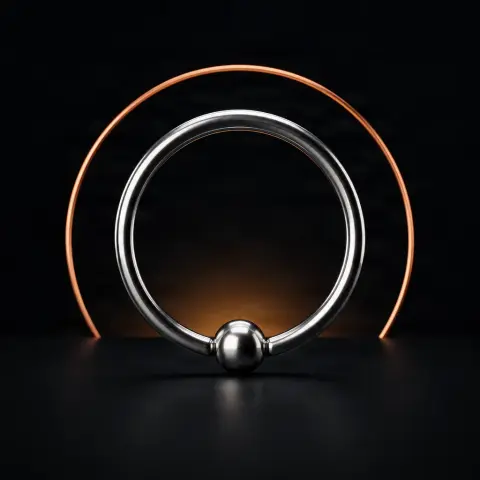
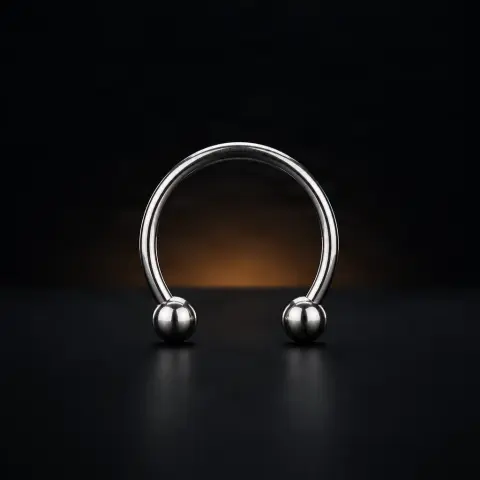
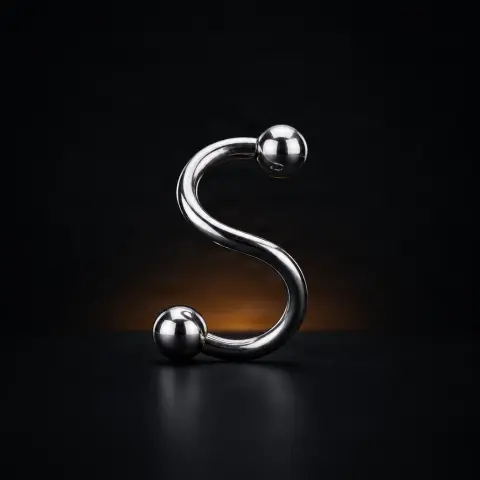
The direct fix isn't giving up the piercing — it's switching the alloy. Implant-grade titanium (ASTM F136 standard) is the reference material professional piercers recommend for sensitive skin or fresh piercings.
- Implant-grade titanium is the same alloy used in surgical implants and contains no nickel in its composition
- It's biocompatible, so the risk of reaction stays minimal even on already sensitized skin
- It resists corrosion well and doesn't shed metal particles over time, unlike cheap plated alloys
Surgical steel (316L/316LVM) is often marketed as "hypoallergenic", but it actually contains 10-14% nickel in the alloy. It remains an acceptable choice for old, fully healed piercings on people with no known sensitivity — but it's not the right pick for a fresh piercing or for someone who has already had an allergic reaction.
Niobium is another nickel-free option, with biocompatibility similar to titanium, mostly used for anodized colored jewelry — a solid alternative when titanium isn't available in the style you want.
Bioflex (a flexible PTFE-type polymer) contains no metal at all, so it removes the nickel-reaction risk entirely. It's commonly used as retainer jewelry during healing or for sports, since it flexes with the initial swelling of a piercing instead of pressing on the channel.
Hypoallergenic titanium earrings and piercings


What to do if you suspect an allergy on an existing piercing
- If the piercing is old and the channel is stable, remove the suspect jewelry and swap it temporarily for implant-grade titanium or bioflex
- Clean the area with sterile saline solution — avoid alcohol and hydrogen peroxide, which dry out and further irritate the skin
- Watch it for 2-3 days: if it's an allergy, itching and redness noticeably drop once nickel stops touching the skin
- If symptoms don't improve, get worse, or show signs of infection (pus, fever), see a dermatologist
- For a fresh piercing, talk to a professional piercer about permanently switching to titanium or niobium before healing completes
This guide informs, it doesn't diagnose. For certainty and treatment, see a dermatologist; for changing jewelry on a fresh piercing, ask a licensed professional piercer.
Browse implant-grade titanium piercing jewelry →
Surse și referințe
Întrebări frecvente
Can I get a new piercing if I already know I have a nickel allergy?+
Yes — just choose implant-grade titanium (ASTM F136) or niobium as your initial jewelry, not surgical steel, even if it's labeled "hypoallergenic". Tell your piercer about the allergy before the procedure.
How long does it take for symptoms to clear after removing nickel jewelry?+
Visible improvement usually shows within a few days, but the dermatitis can linger for 1-2 weeks even with no further nickel contact. If there's no improvement at all, see a doctor.
Is surgical steel safe if I've never reacted before?+
For an old, fully healed piercing on someone with no known sensitivity, surgical steel is usually well tolerated. But nickel sensitization can develop at any point with repeated exposure, so for a new piercing titanium is still the safer first choice.
How can I tell allergy from infection without seeing a doctor?+
Dominant itching, no thick pus, and no fever point to allergy; increasing pain, yellow-green pus, and fever point to infection. If you're unsure or symptoms are worsening, a medical check remains the safest option.
Are yellow gold or silver safe for someone with a nickel allergy?+
It depends on purity: gold under 14K and low-quality silver can contain nickel in the filler alloy. 18K gold or certified 925 silver are usually safer, but implant-grade titanium remains the option with the lowest proven risk.
Is bioflex fine for a permanent, everyday piercing?+
Bioflex is great for the healing period, sports, or temporary situations, but for permanent wear implant-grade titanium remains the standard material professionals recommend, thanks to its greater durability.