
How Much Does a Tattoo Removal Laser Cost? An Investment Guide for Studio Owners
Adding laser tattoo removal to a tattoo studio looks like a natural extension — existing clients, a space already fitted out, growing demand for correcting or clearing old work. But the machine is only part of the investment: prices span from a few thousand dollars to well over $100,000, and the legal picture for who can operate this kind of device in Romania is far less settled than it is for standard tattoo equipment. This guide puts real numbers on the table and flags what to confirm before signing any quote.
Real price ranges for Q-switch and picosecond lasers, the licensing questions Romanian studio owners need to answer, and how to calculate breakeven per session.
What a tattoo removal laser actually costs
Romanian suppliers, like most international ones, don't publish prices for professional machines publicly — everything runs through a custom quote. The ranges below come from the international market (mostly quoted in USD) and are a starting point for negotiation, not a firm price:
- Portable / entry-level Q-switch Nd:YAG: roughly $1,500 – $10,000
- Professional-grade Q-switch, clinic/serious-studio level: roughly $10,000 – $30,000
- Advanced multi-wavelength Q-switch (532/755/1064 nm): $30,000 – $60,000
- Picosecond (PicoSure, PicoWay-type and equivalents): $50,000 to over $100,000, commonly cited as at least $3,000-$5,000 more than a comparable Q-switch
Q-switch vs picosecond — what to choose as a studio owner
Q-switch lasers use nanosecond pulses and break down pigment through a thermal effect. Picosecond lasers use pulses thousands of times shorter, generating mechanical shockwaves that shatter pigment into much smaller particles the body clears more easily — particularly useful on colored or stubborn ink.
- Q-switch: lower purchase cost, handles most black/dark-blue tattoos well, typically needs 5-10 sessions for a professional tattoo
- Picosecond: significantly higher upfront investment, but can cut the number of sessions needed by roughly 20-30% on colored or resistant tattoos — which is also why it commands a higher per-session price
- For a first removal machine with no existing removal-client history, a professional Q-switch is the entry point most commonly recommended in industry material; picosecond becomes worth it once you already have steady volume and a colored-tattoo clientele
Public information on who is legally allowed to operate a tattoo removal laser in Romania is inconsistent — some sources suggest an accredited cosmetician can perform the procedure after a recognized course, others treat it as a strictly medical act. Don't work from assumptions: get written confirmation directly from ANMDMR and/or a lawyer specializing in medical-aesthetic services before investing.
Licensing requirements in Romania
- The device itself: CE certification as a medical device (commonly Class IIa) or as a laser product under IEC 60601-2-22, plus ISO 13485 at the manufacturer — request the paperwork, don't rely on the seller's word alone
- ANMDMR registration (Romania's National Agency for Medicines and Medical Devices): notification rules changed in June 2021 for certain device categories — check the current status for the exact model you're considering, don't assume it doesn't apply
- The operator: a publicly unclear area — verify whether the procedure can be performed by staff accredited through a specialized course (cosmetician standard) or requires medical/dermatologist supervision, depending on the applicable interpretation at the time of the decision
- The space: depending on the device's classification, you may need a separate DSP (public health directorate) authorization on top of your existing tattoo studio license — check with your county's public health directorate before fitting out the room
Return on investment (ROI) per session
- International per-session benchmark: roughly $200-$500 for Q-switch, $300-$600 for picosecond — prices in the Romanian market tend to run lower; check local clinic and studio pricing before setting your own rate
- Breakeven point cited in industry material: 6-9 months for Q-switch with moderate client flow, 9-12 months for picosecond — the larger upfront investment pays back more slowly even though the per-session rate is higher
- Rough math: on a $15,000 machine at an average $100-150 per session, you'd need roughly 100-150 sessions just to recoup the machine purchase — a full tattoo removal takes 5-10 sessions, so the real planning number is clients, not isolated sessions
Studio consumables
Hidden costs to price in before signing
- Operator training/certification — a separate cost from the machine, often required to keep the warranty valid
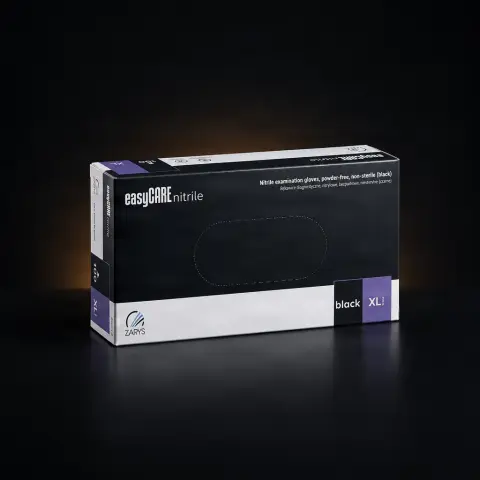
- Recurring consumables: protective eyewear, sterile gauze, gels, contact tips
- Maintenance and service: laser components (flashlamps, diodes) have a limited lifespan and a meaningful replacement cost over the medium term
- Extended professional liability insurance for the removal procedure — different from standard tattoo studio coverage
- Fitting out the space to match the device's laser class (signage, ventilation, controlled access)
Disinfection and sterilization for the studio
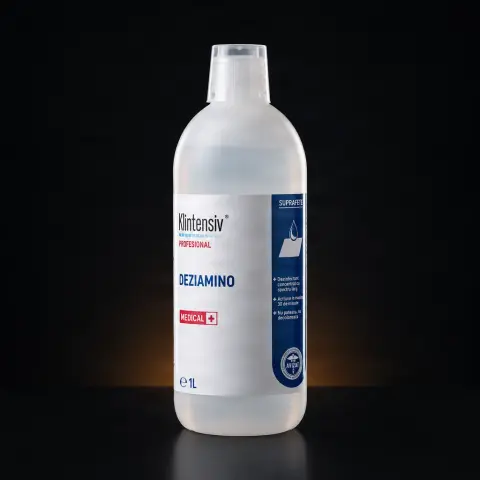
How to decide if it's worth it for your studio
- Estimate real demand from your existing client base — how many would actually want a tattoo removed or covered
- Get written confirmation of the applicable legal requirements for operator and space before paying any deposit
- Compare quotes from at least 2-3 suppliers, with warranty and service explicitly included in the contract
- Recalculate breakeven with your own numbers (local pricing, realistic client flow) rather than relying only on the international benchmarks above
- Consider a mid-tier professional Q-switch as your first machine before committing to a top-end picosecond system
See protective equipment and consumables for the studio →
Surse și referințe
- ANMDMR — Medical devices (Romania's regulatory authority)
- Aviz ANMDMR — medical device authorization information
- Sfatul Medicului — Cosmetic procedures: laser tattoo removal
- Med.ro — Tattoo removal: methods, procedure, aftercare, risks
- Cursuri Estetică — What you need to know about laser tattoo removal
- ALLWILL Group — Which Laser Tattoo Removal Machine Offers the Best Clinic ROI
- PZLASER — How Much Does a Laser Tattoo Removal Machine Cost
Întrebări frecvente
Do I need a dermatologist on staff to legally operate a tattoo removal laser?+
This isn't uniformly clarified in public sources — some indicate an accredited cosmetician can perform the procedure after a recognized course, others treat it as a strictly medical act. Get written confirmation from ANMDMR and a specialized lawyer before investing rather than relying on general information online.
Q-switch or picosecond for a first studio machine?+
For a studio with no removal-client history, a professional Q-switch is the entry point most commonly recommended — much lower purchase cost, and it handles black/dark-blue tattoos well. Picosecond becomes worth it once you already have steady volume and a colored or resistant-tattoo clientele.
What authorizations should I check before buying the machine?+
At least three: CE certification/device class for the machine itself, current ANMDMR notification status for the exact model, and — separately — operator and space requirements, which may involve an additional DSP authorization beyond your existing tattoo studio license.
How many sessions does it typically take to remove a tattoo?+
A professional tattoo usually needs 5-10 sessions, spaced 4-8 weeks apart, depending on ink quality and how deep the work was done. Non-professional tattoos can often be resolved in 1-4 sessions.
How long does it take to recoup the investment in a laser machine?+
Industry material points to a breakeven of roughly 6-9 months for Q-switch with moderate client flow, and 9-12 months for picosecond, due to the higher upfront cost. Actual numbers depend on your local per-session rate and how many new clients the service brings in.
What are the main risks for clients undergoing this procedure?+
Scarring risk is considered low, but hypopigmentation or hyperpigmentation can occur, especially on darker skin tones. The procedure shouldn't be offered without a prior skin and medical-history assessment — inform clients and refer them to a specialist consult if they have pre-existing dermatological conditions.