
How to Cover an Old, Solid Block-Brow Tattoo Without Full Laser Removal
Block-brow tattoos from the 2000s and 2010s are usually dense, hard-edged, and evenly saturated, often with iron-oxide pigment. Covering them with a modern redesign alone tends to fail, and full laser clearance can take 8-20 months. Partial laser plus camouflage plus redesign only removes as much old pigment as needed, then corrects the tone and redraws the shape. This guide covers the steps, the real risks, and who isn't a candidate.
A practical breakdown of the partial-laser-plus-camouflage-plus-redesign method used on dense, uniform brow tattoos from the 2000s and 2010s.
Why a solid old block brow doesn't cover with redesign alone
Block-brow tattoos from 2000-2010 typically carry dense, evenly applied pigment with no shading variation — unlike microblading or modern ombre brows, where individual strokes leave visible skin between them. New pigment placed directly over a solid block usually stays invisible or blends optically with the old color, producing a muddy, gray, or greenish cast. Redesign changes the perceived shape, but it doesn't hide the density underneath.
Many pigments from that period contain iron oxide. Under a Q-switched Nd:YAG laser, iron oxide can chemically reduce from ferric to ferrous oxide, turning the brow darker — a blue-black — instead of lighter. This is a documented clinical reaction, which is why any laser session on unknown old pigment starts with a small test spot, monitored for 6-8 weeks.
The combination that avoids months of laser: partial + camouflage + redesign
Full laser clearance typically takes 3-10 sessions spaced 6-8 weeks apart, sometimes spanning 8-20 months. For a dense block, the partial-combination approach doesn't aim for full clearance — it lowers saturation just enough for a corrective pigment to neutralize what's left, and for a redesign to define a clean shape on top.
- Initial assessment: residual color, depth, and density of the old pigment, plus a laser test spot monitored for at least 6 weeks for any darkening reaction
- 1-3 partial laser sessions, spaced 6-8 weeks apart, aimed at reducing saturation — not full clearance
- Full skin healing, minimum 4-6 weeks after the last laser session, before any new pigment goes in
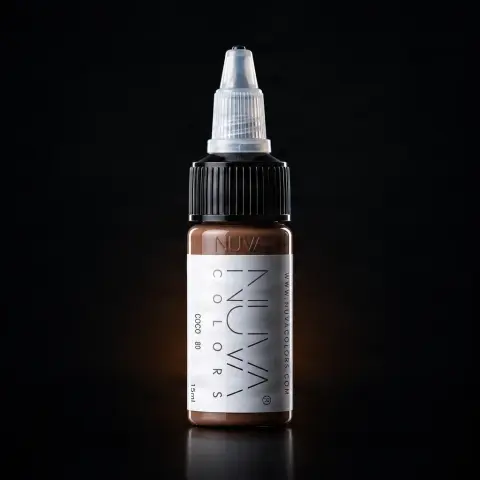
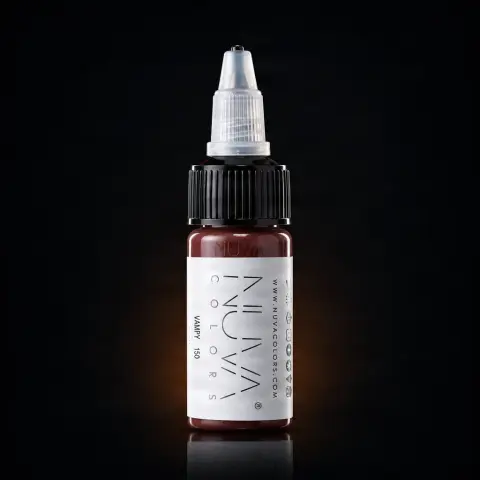
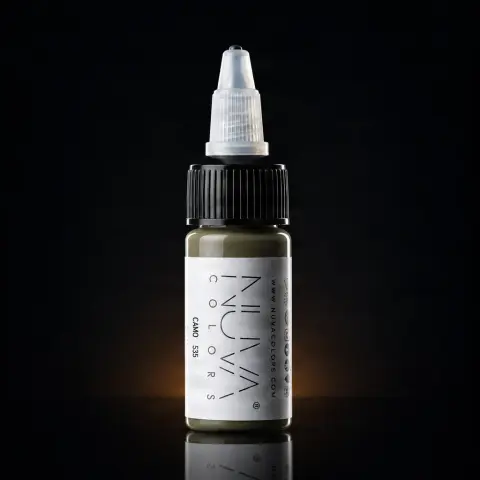
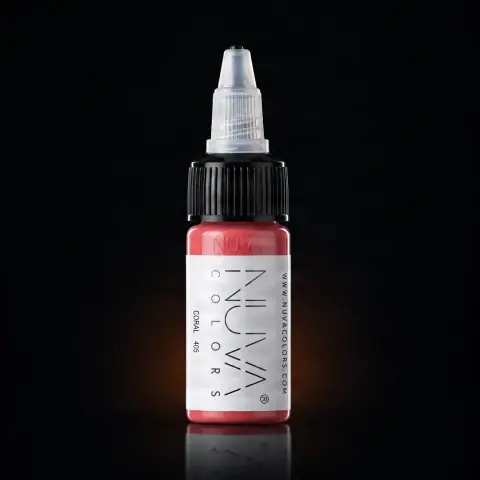
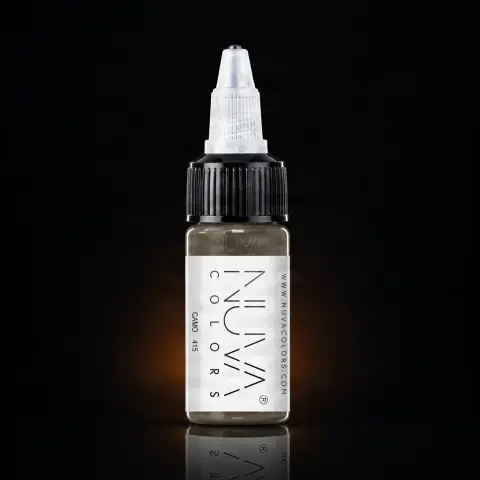
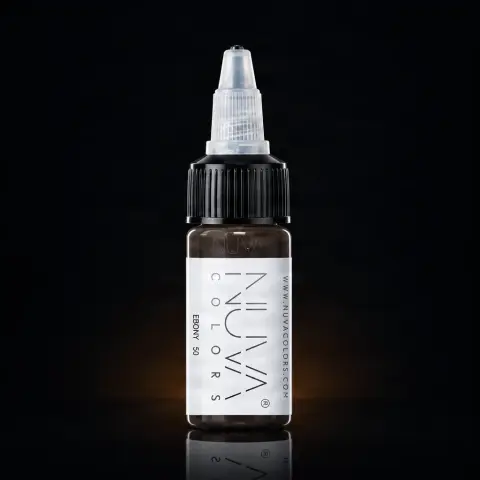
- Camouflage with a corrective pigment (undertone chosen based on what's left — usually warm, to neutralize cool/gray residue)
- Shape redesign and microshading/ombre over the corrected base, with an outline matched to the current bone structure, not the old shape
Corrective camouflage pigments
Why camouflage alone, with no laser at all, often fails
On a genuinely dense, dark block, a corrective pigment placed directly on top doesn't have enough optical coverage — the old pigment shows through the new layer, especially in daylight. Camouflage-only works on mild over-pigmentation, but not on a classic 2000s-2010s block brow. The partial laser reduction is what makes the difference; it isn't an optional step.
Before the first laser session on unknown old pigment, a 3-5mm test spot is treated and observed for a minimum of 2 weeks (ideally 6-8) for darkening, allergic reaction, or a granulomatous response. Skipping this step raises the risk of an unpredictable result across the whole brow.
Practical protocol for the technician
- Photograph the old pigment in natural light before any intervention
- Use lower fluence on the first session over unknown iron-oxide pigment, even if it means more sessions overall
- Keep a minimum of 6-8 weeks between laser sessions, both for healing and to read the pigment's actual reaction
- Pick the corrective undertone based on the dominant residual tone — warm to neutralize cool/gray residue, not the reverse
- Don't finalize the redesign shape until the area is fully healed and the corrective tone has settled, minimum 4 weeks
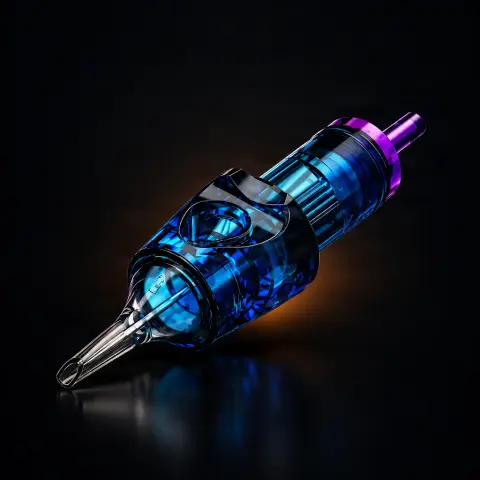
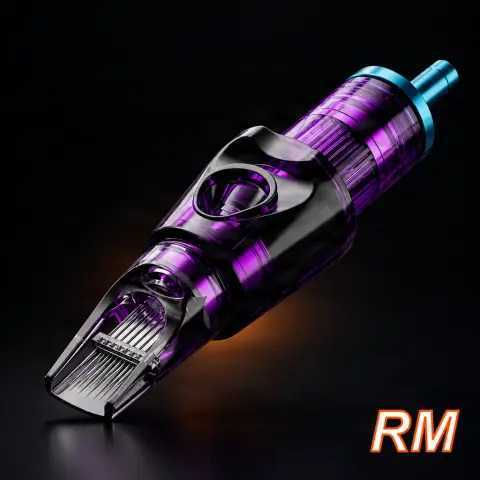
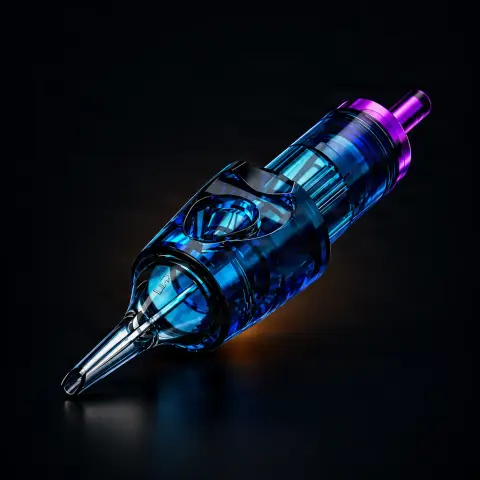
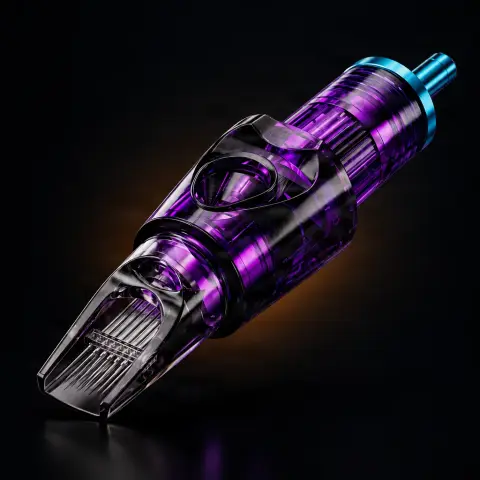
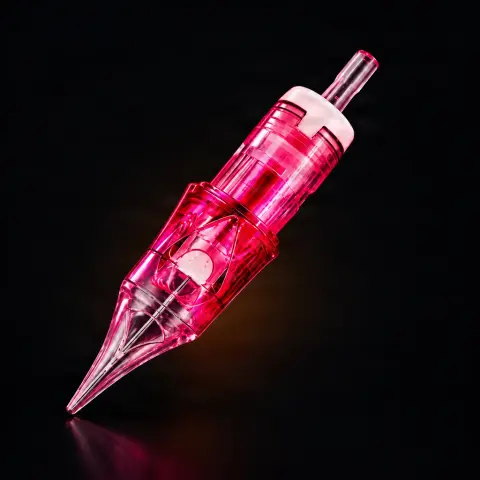
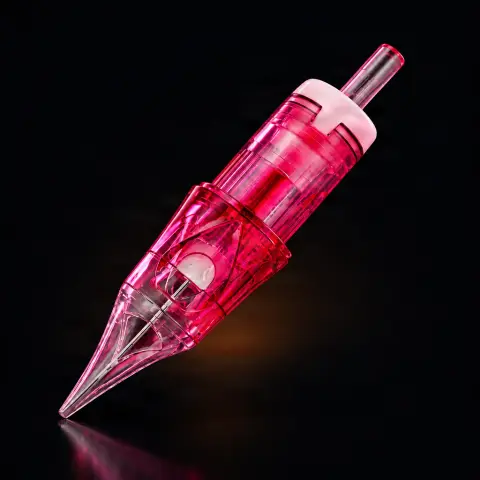
Needles and cartridges for brow shading
Who isn't a candidate for partial laser plus camouflage
- History of keloid or hypertrophic scarring in the treated area
- Active infection, dermatitis, or open lesion on the brow
- Pregnancy — elective laser and PMU procedures are typically deferred, on a doctor's recommendation
- Recent isotretinoin (Accutane) treatment — skin is more sensitive and healing is slower
- Uncontrolled diabetes or other conditions that slow healing
- Pigment of unknown origin, applied outside regulated markets, with high oxide content or undeclared ingredients — the laser reaction is unpredictable
This guide informs, it doesn't replace a consultation with a certified PMU technician and, for the laser sessions, a doctor or licensed clinic running a Q-switched/Nd:YAG laser. Only a direct evaluation of the pigment and the skin can tell you how many sessions are realistic and whether the combined approach is safe in your specific case.
Search corrective camouflage pigments →
Surse și referințe
- PMC — Severe unexpected adverse effects after permanent eye makeup and their management by Q-switched Nd:YAG laser
- Journal of Clinical Medicine (MDPI) — Permanent Makeup Removal Severe Complication: Case Report and Proposal of the Protocol for Its Management
- Removery — Microblading Laser Removal: Can Microblading be Removed?
- Rebecca Jaynes — A Guide to Laser Tattoo Removal for Permanent Makeup Eyebrows
Întrebări frecvente
Do I always need laser before camouflage, for any old brow tattoo?+
Not for every brow — only for the ones with very dense, uniform pigment (a classic block brow). On mild over-pigmentation, camouflage alone can be enough. A direct assessment of density is what settles it.
Why can an old brow tattoo darken after laser instead of lightening?+
Many pigments from the 2000s-2010s contain iron oxide, which can chemically reduce under a Q-switched Nd:YAG laser and shift toward blue-black. It's a clinically documented reaction, which is why the small test spot is mandatory before a full session.
How many laser sessions does the partial approach need?+
Usually 1-3 sessions, spaced 6-8 weeks apart — well under the 5-10 sessions a full clearance needs. The goal is lowering saturation, not erasing everything.
How long should pass between the last laser session and the camouflage pigment?+
A minimum of 4-6 weeks, enough for the skin to fully heal. Pigmenting unhealed skin raises the risk of reaction and an uneven result.
Can the same PMU technician do the laser sessions too?+
Usually not — Q-switched/Nd:YAG laser pigment removal is done by a doctor or a licensed clinic, separate from the PMU technician who handles the camouflage and redesign.
Which brows are NOT suited to partial laser plus camouflage?+
Ones with a history of keloid scarring, active infection, pregnancy, recent isotretinoin treatment, or pigment of unknown origin with an unpredictable laser reaction.