
Why White Bumps and Pimples Show Up on a Healing Tattoo (It's Not Always an Allergy)
Somewhere between day 7 and day 20, a healing tattoo is peeling and growing new skin — and for a lot of people, small white or yellow bumps show up right in that window. The instinct is either to panic and assume an ink allergy, or to ignore it completely. Neither is right: most of the time it's folliculitis or temporarily clogged pores from too much aftercare product, but a smaller set of cases really does need a doctor's attention. This guide breaks down which is which and what to actually do about each.
White or yellow bumps on a fresh tattoo are almost always folliculitis or clogged pores from aftercare product, not an ink allergy — here's how to tell the difference and act on each one.
What the white bumps actually are
A fresh tattoo is a controlled wound: thousands of micro-punctures leave the skin inflamed, and the area is often kept under wrap or heavy aftercare cream for the first few days. Irritated skin, sweat, thick cream, and exposed hair follicles combine into exactly the conditions that clog pores and follicles — the result is small white or yellow bumps, usually centered right on a hair follicle. It's a mechanical skin response to occlusion and friction, not an immune reaction, which is why it does NOT automatically mean allergy.
Folliculitis, allergy, or infection — how to tell them apart
- Folliculitis / clogged pores — small white or yellow-headed bumps centered exactly on a hair follicle; usually shows up in the first 3-10 days, especially if the area was shaved before the tattoo or you've been applying too much cream; stays STRICTLY within the tattooed area, doesn't spread, and usually isn't painful, just mildly tender to touch.
- Ink allergy — swelling and itching concentrated STRICTLY on the lines or areas colored with one specific ink (red is the most common allergen), skin that's raised, sometimes velvety to the touch; can show up within days but also weeks or months after the tattoo; stays localized to the design, with no fever or systemic symptoms.
- Bacterial infection — redness that visibly spreads past the tattoo's edge from one day to the next, local warmth, pain that increases (not decreases) after day 3-4, thick yellow-green pus with an unpleasant odor, sometimes red streaks running from the tattoo toward a lymph node area, fever above 101.5°F (38.3°C).
If the bumps sit only on or near hair follicles, aren't growing day to day, and you have no fever — it's almost certainly folliculitis, not allergy and not infection. If pain is increasing on day 4-5 instead of easing, or you see foul-smelling pus, call your studio and/or a doctor that same day. Don't wait to see what happens.
What to do for folliculitis or clogged pores
- Cut back on aftercare cream — a very thin layer twice a day, not every time the skin feels dry.
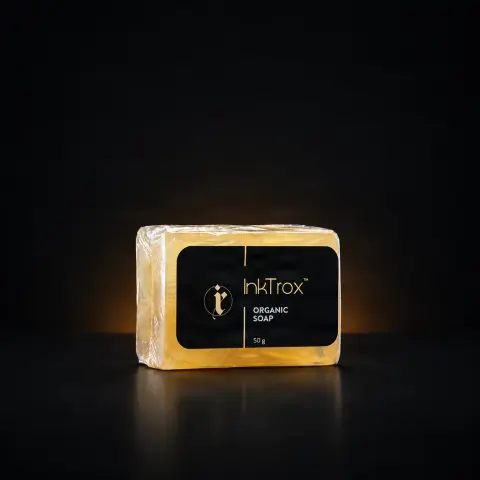
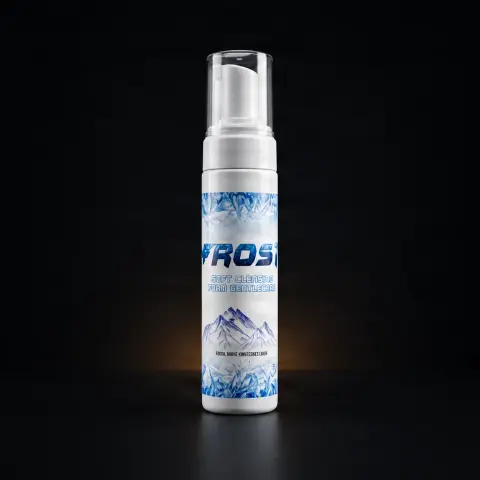
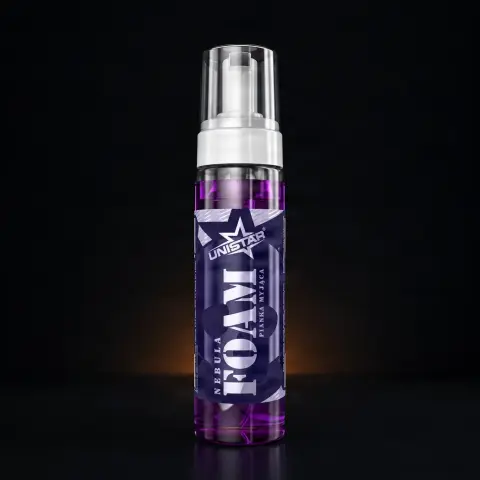
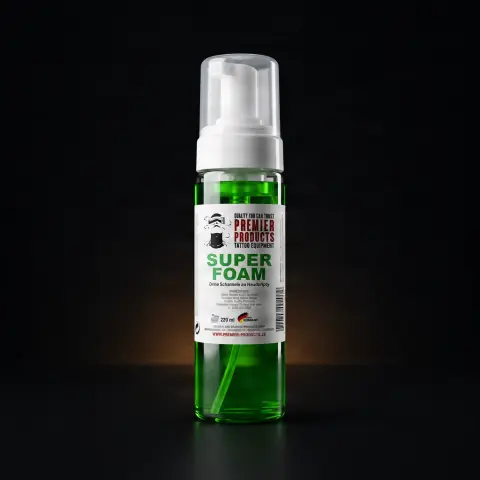
- Wash the area with lukewarm water and an unscented antibacterial soap or foam once or twice a day, then pat dry, never rub.
- If bumps already appeared under an occlusive second-skin film, don't reapply it — let the skin breathe for the rest of healing.
- Wear loose cotton clothing over the area to cut down on friction and excess sweat.
- Don't squeeze or pop the bumps yourself — if they drain on their own while washing that's fine, but don't force it.
- Give the routine above 3-5 days; mild folliculitis usually clears in that window.
Cleansing foam for fresh tattoos
What to do if it looks like an ink allergy
- Check whether the swelling or itching sits STRICTLY on one specific ink color — red is the most common allergen, followed by yellow; this is the clearest sign of an ink allergy rather than folliculitis.
- Stop any new or scented cream or lotion you introduced recently — sometimes the 'allergy' is actually to the aftercare product, not the ink.
- An over-the-counter oral antihistamine can ease itching short-term, but it doesn't replace a dermatologist visit if the reaction sticks around.
- If the itching or swelling lasts more than 1-2 weeks, or comes back every time the tattoo is exposed to sun, see a dermatologist — a prescription corticosteroid cream may be needed.
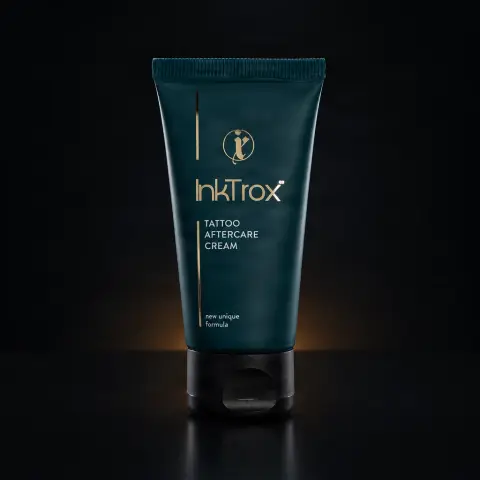
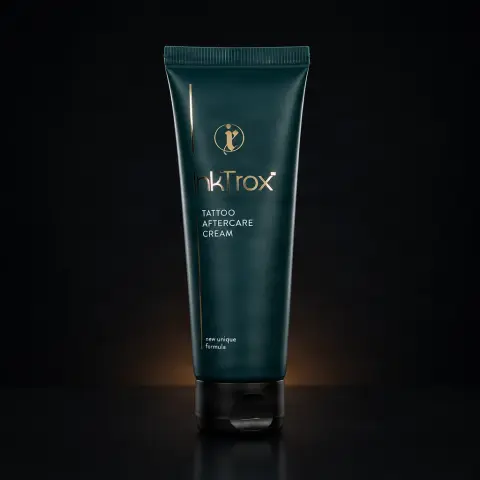
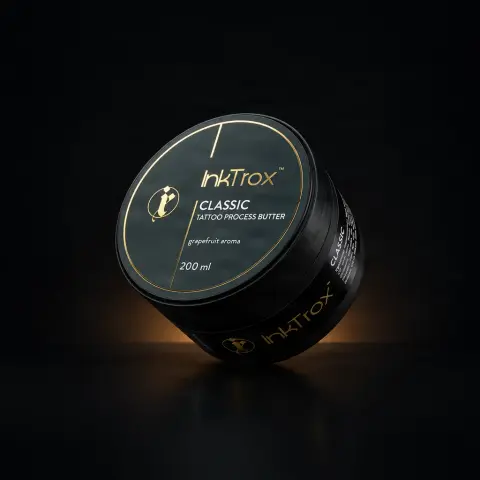
Fragrance-free tattoo healing cream

What to do if you suspect infection
Bacterial infection is the rarest of the three causes, but it's also the only one that won't resolve on its own — and the only one where every day of delay matters.
- Redness visibly spreading past the tattoo's border from one day to the next, not just around individual bumps.
- Pain that increases instead of easing after day 3-4 of healing.
- Thick yellow-green pus with a bad odor — different from the clear or slightly yellow lymph fluid that's normal in the first 24-48 hours.
- Red streaks running from the tattoo toward a lymph node area (armpit, groin, neck).
- Fever above 101.5°F (38.3°C), chills, or feeling generally unwell.
With any of the signs above, call your tattoo studio and/or your doctor or nearest urgent care the same day. A bacterial infection caught early usually clears with a course of oral antibiotics; left to progress, it can require more aggressive treatment. This article informs — it doesn't replace a diagnosis, which should come from a doctor or, for a first read on the spot, your professional tattoo artist or piercer.
Antibacterial soap for cleansing
How to prevent bumps on your next tattoo
Most folliculitis cases are prevented at the prep stage and in the first few days of aftercare, not fixed afterward.
- Ask your artist to shave the area with a new, single-use razor, not a reused blade.
- For the first 2-3 days, apply cream in a thin layer — if it looks shiny or feels greasy, you've used too much.
- Wear loose cotton clothing that won't rub against the area for the first 1-2 weeks.
- Skip swimming, saunas, and pools until the skin has fully closed (usually 2-3 weeks).
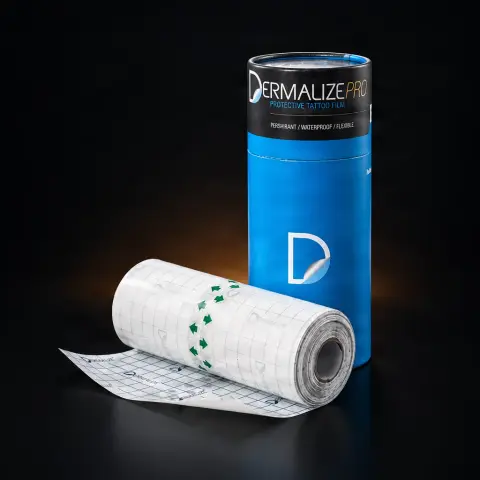
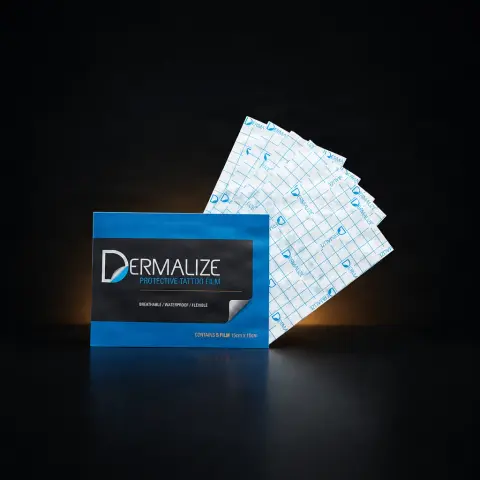
Second-skin protective film
Browse fresh-tattoo aftercare products →
Surse și referințe
- American Academy of Dermatology (AAD) — Tattoos: 7 unexpected skin reactions and what to do about them
- Cleveland Clinic — Tattoo Infection: Signs, Causes, Treatment & Prevention
- Healthline — Tattoo Allergy: Symptoms, Causes, and Treatment
- Healthline — Tattoo Infection: Symptoms, Treatment, and Prevention
- National Library of Medicine (PMC) — Distinguishing allergic dermatitis from atypical mycobacterial infection in tattoo reactions
Întrebări frecvente
How long is it normal to have white bumps on a tattoo?+
Mild folliculitis usually clears in 3-7 days once you cut back on cream and clean the area properly. If bumps are increasing in number or last past 10 days, check in with a doctor or the studio that did the tattoo.
Can I pop the bumps to speed up healing?+
No. Popping them by hand raises the risk of infection and can leave scarring or pull ink out of place. Let them drain on their own with the right cleaning routine.
How do I tell normal lymph fluid from pus?+
Lymph fluid in the first 24-48 hours is clear or slightly yellow, thin, and odorless. Pus is thick, yellow-green, and smells bad — that second one is a sign of infection and needs a check-up.
The bumps only showed up where I was shaved before the tattoo — is that related?+
Yes. Folliculitis is much more common on recently shaved areas, because regrowing hair irritates a follicle that's already inflamed from tattooing.
Do I need to switch aftercare creams if bumps show up?+
Not necessarily right away. Try applying less, less often, first. If that doesn't help within 2-3 days, or you suspect a reaction to that specific product, switch to something fragrance-free and lanolin-free.
Can an ink allergy show up months after the tattoo, not just during healing?+
Yes — some allergic reactions, especially to red ink, can appear weeks or even months after the original tattoo. Itching or swelling on an old tattoo is still worth a dermatologist visit.