
Why Microblading Doesn't Last on Very Oily Skin (and What to Choose Instead)
On very oily skin, microblading's fine hairstrokes fade noticeably faster than on normal or dry skin — sometimes within months, not years. It isn't a sign of poor technique; it's a mechanical issue with how excess sebum interacts with hand-cut lines. This guide covers what happens under the skin and which needle- or machine-based techniques hold up better on oily or combination skin.
On oily skin, sebum pushes microblading pigment out of the fine cut lines, blurring them within 12-18 months. Here's the mechanism and which needle- or machine-based techniques hold up better.
The mechanism: how sebum pushes pigment out
Microblading deposits pigment into fine channels cut by hand with a blade made of tiny needles, at a shallow depth in the upper dermis. On oily skin, the sebaceous glands around the brow area (part of the T-zone) produce excess sebum that constantly circulates around these narrow channels. Sebum acts as a solvent: it partially loosens pigment from its original position and disperses it sideways, while faster cell turnover — also typical of oily skin — sheds the pigment-carrying skin layers sooner. Combined, this turns crisp hairstroke lines into a blurred, smudged look, often described as looking 'foggy' or 'inked' rather than like individual hairs.
Why microblading is hit hardest
The difference comes down to how pigment is deposited. Microblading cuts one continuous, thin line per simulated hair. On oily skin, sebum only needs to displace pigment along a small stretch of that line for the whole stroke to look broken or fuzzy. Techniques that deposit pigment as dots rather than lines tolerate this much better — each dot sits independently, so if one fades unevenly, the surrounding dots still hold the shape.
On oily skin, microblading tends to fade about 30-50% faster than on normal skin, with a typical lifespan of 12-18 months versus 2-3 years on normal/dry skin. These figures vary by studio and aftercare and aren't a clinical standard — they're a consistent pattern reported across industry sources (see sources below).
Why needle/machine techniques (powder, ombré, nano) hold up better
Powder brows and ombré brows use a PMU machine that deposits pigment through repeated pinpoint punctures instead of one continuous cut. The resulting dots sit more evenly — and in some techniques slightly deeper — than a microblading line, making them more resistant to sebum's sideways pull. The visual result is a graduated shadow (lighter toward the front, darker toward the tail) rather than individual hairs, an effect that stays coherent even if some dots fade unevenly. Nano brows use an even finer machine needle and can mimic a hairstroke look with durability closer to powder brows than to classic microblading.
- Powder/ombré brows — graduated shading done with a machine; the option with the best documented tolerance for oily/combination skin
- Nano brows — fine hairlike strokes made with a machine needle, an alternative for those who want the hairstroke look on oily skin
- Combo brows — hairstrokes in the front third plus powder shading toward the tail, balancing a natural look with durability
- Classic microblading — still an option on normal/dry skin, with realistic expectations of more frequent touch-ups
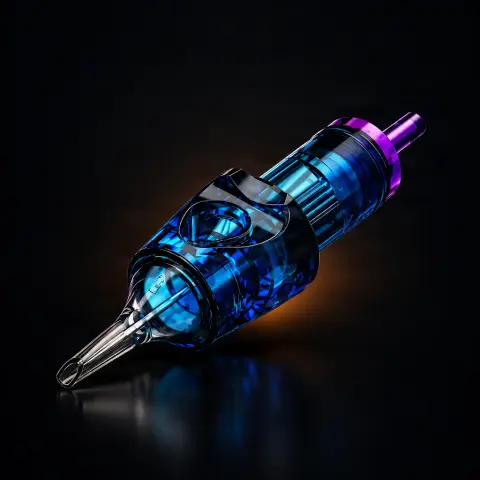
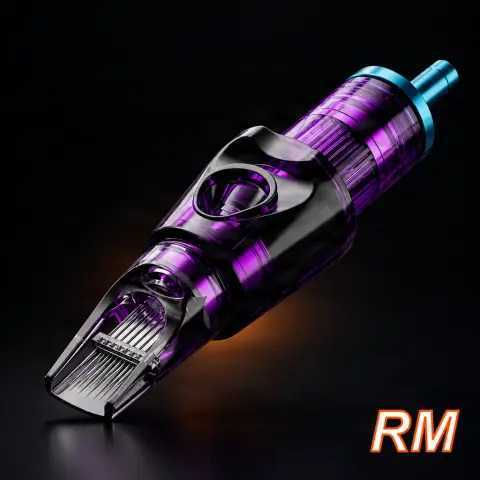
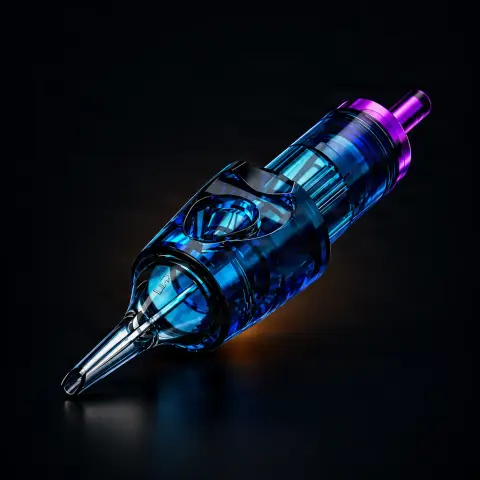
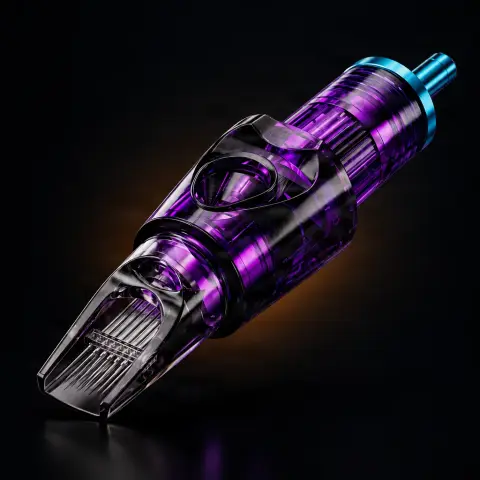
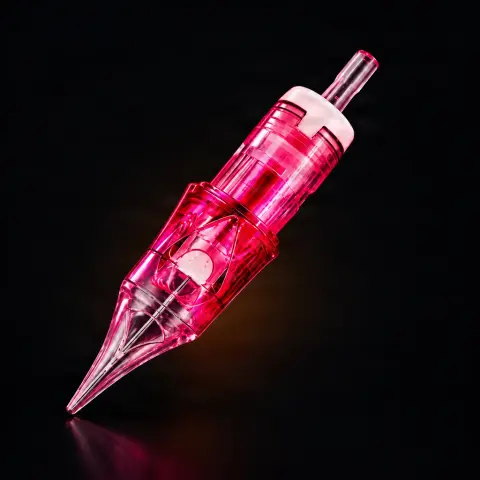
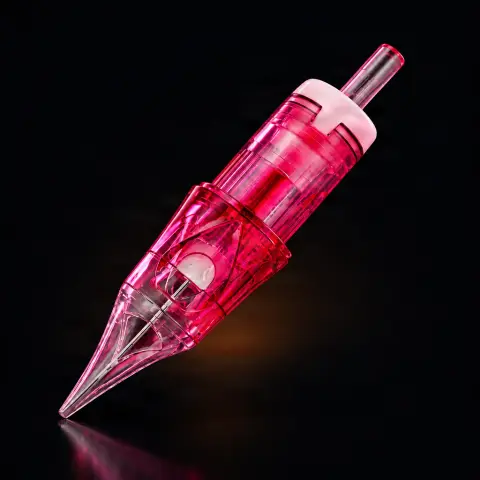
Cartridges for powder/ombré brows
How to choose if you have oily or combination skin
- Ask your technician to assess the brow area separately from the rest of your face — it can be oily even if your skin is normal or dry elsewhere (T-zone).
- Ask for real healed photos at 6-12 months on clients with similar skin, not just fresh-session photos.
- Discuss powder/ombré or combo explicitly as options before booking classic microblading.
- Follow the aftercare instructions (avoid excess water/sweat in the first days) — it won't change your skin type, but it reduces the risk of uneven fading during the critical healing window.
- Book a check-up touch-up at 4-6 weeks regardless of technique — that's a normal part of the process, not a sign something went wrong.
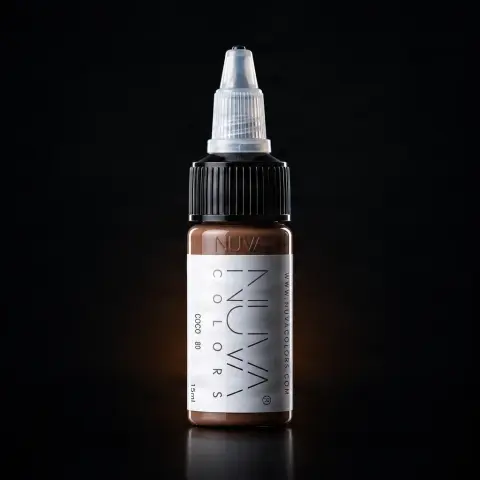
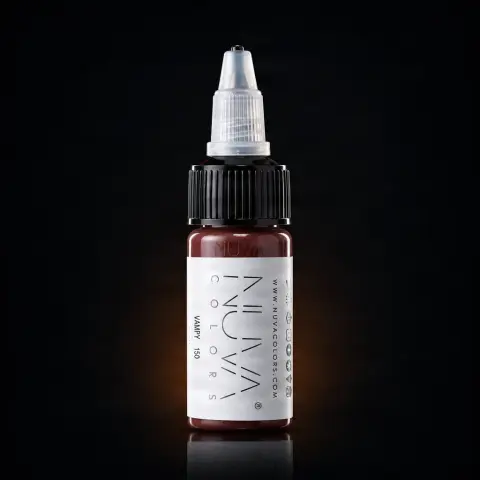
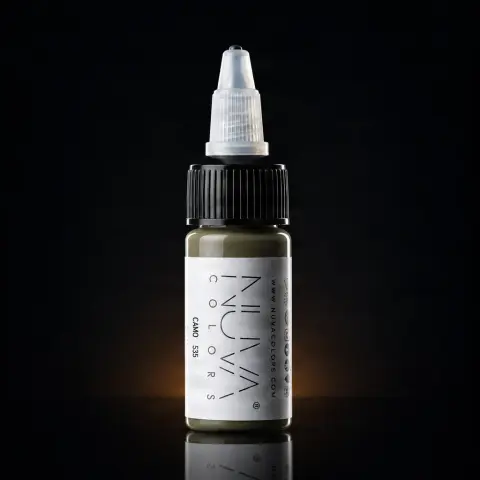
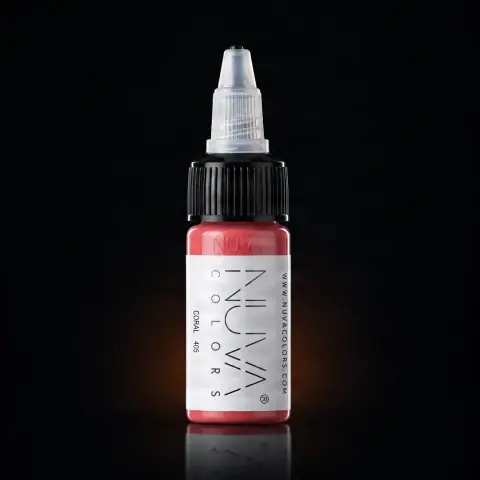
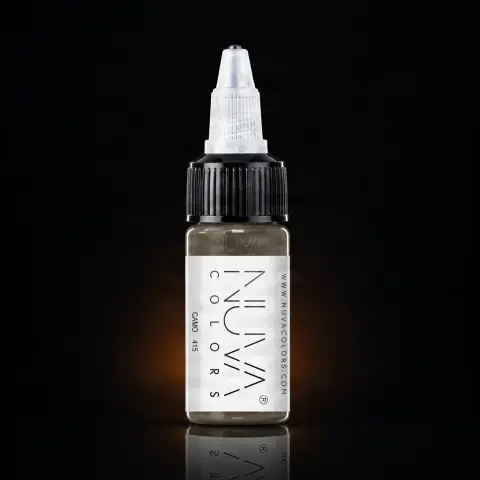
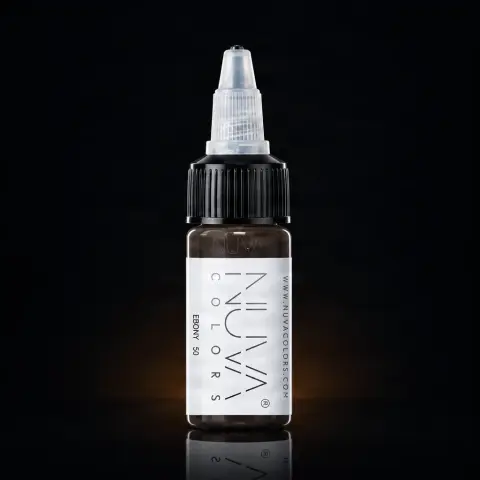
Pigments for powder brows
Oily skin doesn't physically prevent the procedure and isn't a health risk by itself — it's a factor that changes how long the result lasts. Any known pigment allergy, active dermatological condition in the area (inflamed acne, dermatitis), or ongoing dermatological treatment (retinoids, isotretinoin) should be discussed with a dermatologist and your PMU technician before booking.
PMU machines for brows
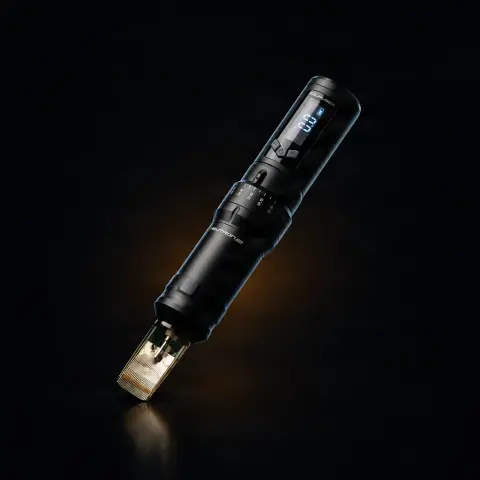
Browse cartridges and pigments for powder/ombré brows →
Surse și referințe
Întrebări frecvente
Does microblading really not last at all on oily skin?+
It does last, just noticeably less — lines tend to blur into a softer, less defined shape faster than on normal or dry skin. It's not off-limits, but the result won't hold the way it does on less oily skin.
How do I know if my brow area is oily even if the rest of my face isn't?+
The brow area sits in the T-zone, which produces more sebum than the cheeks even on people with otherwise normal or dry skin. A PMU technician can assess this directly at your consultation.
Do powder/ombré brows hurt more than microblading?+
Discomfort levels are similar, and both procedures use topical numbing. The sensation differs in type — fine pricks versus a light vibration — not necessarily in intensity.
How does healing compare between powder brows and microblading?+
Similar timeline: 7-14 days of light flaking/scabbing, with the true final color visible after about 4-6 weeks.
Can I combine microblading with powder brows?+
Yes — combo brows (hairstrokes in the front third, powder shading toward the tail) is a common option, including for combination skin.