
PMU Patch Test: The Right Protocol and Why You Can't Skip It
A skin sensitivity test before a permanent makeup session isn't paperwork — it's the one simple way to find out, before pigment is implanted permanently in the skin, whether the body reacts to it. PMU pigments are chemically different from classic tattoo ink, and documented allergic reaction risk is highest in the warm red and reddish-brown shades used for brows and lips. This guide covers the correct protocol, how long it needs to run, and what to do if the result is positive.
The correct testing protocol for PMU pigments, different from a classic tattoo ink patch test — essential for clients with a history of allergies or sensitive skin.
PMU pigment vs. tattoo ink: why the test isn't the same
Classic tattoo ink is mostly carbon black particles or stable mineral pigments. PMU pigments used for brows, eyeliner or lip contour are a different category: most warm shades (reddish-brown, terracotta, ashy blond) combine iron oxides with organic red pigments — including variants from the Pigment Red family, documented in the literature as having a higher rate of delayed allergic reactions than classic black tattoo ink. That's why a patch test done years ago for a tattoo tells you nothing about how skin will react to a new PMU pigment, even one from the same manufacturer.
The correct protocol, step by step
- The test is done in the studio, with the exact pigment that will be used for the procedure — not a "similar" shade or an older batch.
- The technician applies a small amount of pigment to a discreet area (usually behind the ear or the inner forearm) without scratching or implanting it into the skin — it's a contact test, not a micro-injection.
- If a numbing cream will also be used during the actual procedure, it gets tested separately, in an adjacent spot, never layered over the pigment — otherwise you can't tell which substance caused a reaction.
- The area stays undisturbed for at least 24-48 hours; some protocols extend this to 72 hours, especially for clients with a history of allergies.
- The client keeps the area clean and dry, avoids cosmetics and scratching, and checks it at the 24h and 48h marks.
- The PMU appointment is confirmed only once the tested area shows no persistent redness, swelling, or itching.
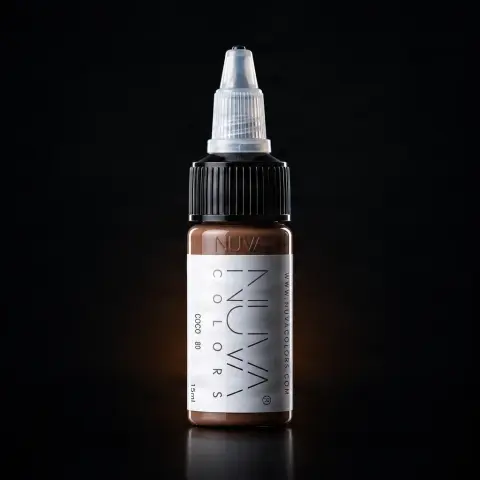
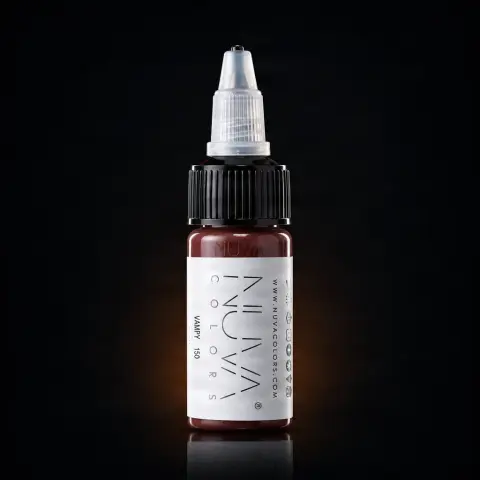
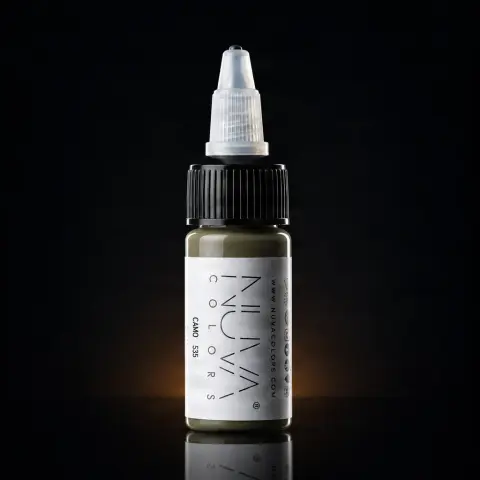
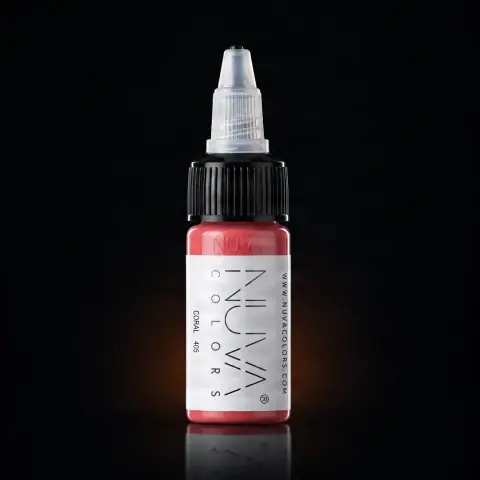
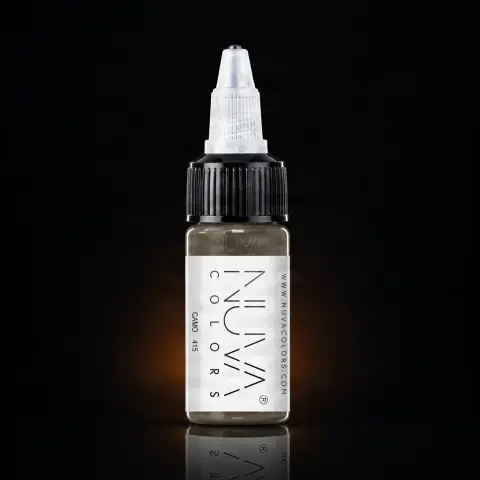
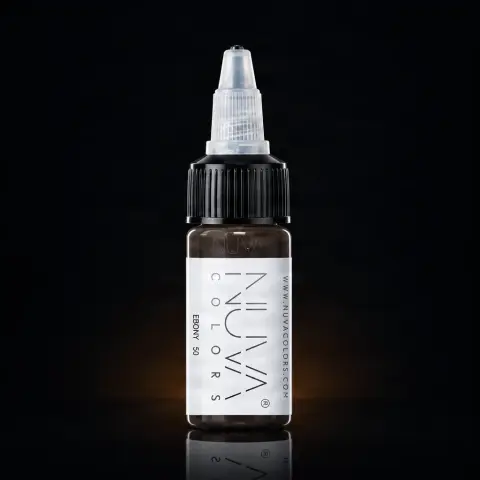
PMU pigments
What to watch for during the 24-48 hours
- Redness that doesn't fade or spreads beyond the tested spot
- Local swelling (edema)
- Persistent itching or increasing burning sensation
- Blisters, crusting, or small bumps under the skin
- Local warmth, a sign of active inflammation
Delayed-type (type IV) hypersensitivity reactions to pigments can show up a few days after the test, but there are also documented cases of granulomas or inflammatory nodules appearing months or even years after the procedure, regardless of an initial negative patch test. Studies on patients with tattoo ink reactions have found negative patch test results in people who went on to develop a reaction anyway. The test remains the recommended standard because it meaningfully lowers the risk of acute, immediate reactions — but it isn't an absolute long-term guarantee, especially for clients with a history of skin allergies. Any sign of a reaction, immediate or delayed, should be discussed with a dermatologist or allergist, not just the PMU technician.
Why pigment sourcing and certification matter
Since January 2022, EU Regulation 2020/2081 (amending Annex XVII of REACH, entry 75) restricts or bans roughly 4,200 substances previously used in tattoo ink and PMU pigments, including colourants known as allergens or suspected carcinogens/mutagens. Compliant pigments carry documented batch testing, including for heavy metals. A pigment with no certification or unclear origin is one more reason not to skip the patch test — the reaction risk is harder to predict when you don't know exactly what's in it.
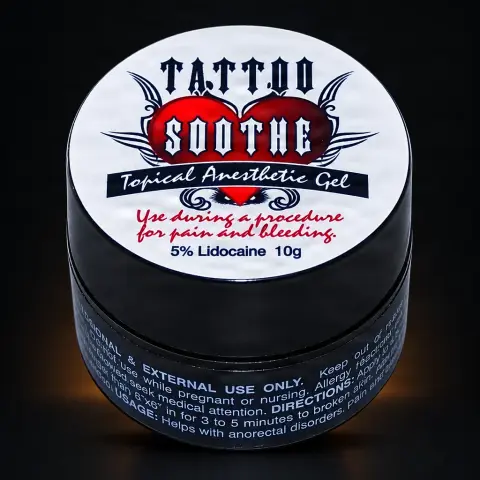
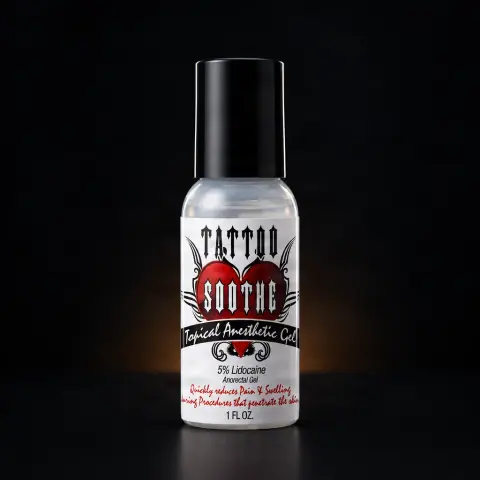
PMU numbing cream
Who should insist on this test, no exceptions
- Confirmed skin allergy history (nickel, hair dye, cosmetics, medical adhesives)
- Atopic skin, eczema, or a history of contact dermatitis
- A previous reaction to a tattoo, lash/brow tint, or an older PMU procedure
- Re-pigmentation over an older PMU job done with an unknown or undocumented pigment
- Pregnancy or breastfeeding — whether to go ahead with the procedure at all is a separate discussion with a doctor; the sensitivity test doesn't replace that consult
Microblading needles and modules
Browse PMU pigments available on tatuat.ro →
Surse și referințe
- Chronic Granulomatous Reaction to Semi-permanent Eyebrow Tint — PMC/NIH
- Patch test study of 90 patients with tattoo reactions — PubMed
- European tattoo ingredient ban: Implications for North America — Journal of the American Academy of Dermatology
- EU Amendment on Annex XVII to REACH Regulation regarding substances in tattoo inks or permanent make-up — TÜV Rheinland
- Questions and answers about tattoo inks — BfR (German Federal Institute for Risk Assessment)
Întrebări frecvente
How long before the appointment should the patch test be done?+
At least 24-48 hours in advance. Clients with a history of allergies should build in a larger safety window of a few days so there's time to reschedule if a reaction shows up.
Can I do the test myself at home with a pigment sample?+
It's not recommended. The test needs to be done by the technician, with the exact pigment and under controlled hygiene conditions, for the result to be meaningful for the actual procedure.
I already did a patch test for a regular tattoo — do I still need one for PMU?+
Yes. PMU pigments have a different composition (iron oxides plus organic red pigments) than tattoo ink, and a previous test doesn't cover the risk for a new pigment.
What should I do if the tested area turns red or swells up?+
Don't proceed with the PMU procedure using that pigment. Document the reaction (photos, onset time) and see a dermatologist or allergist before trying again with any pigment.
Does a negative patch test mean I'll never have a reaction?+
No. Delayed reactions, including granulomas, can appear months or years after the procedure even after an initial negative test. The test lowers the risk of acute reactions but doesn't eliminate it entirely.
Which pigments carry a higher allergic reaction risk?+
Red and warm reddish-brown shades, which typically contain organic pigments from the Pigment Red family, have a documented higher rate of allergic reactions than classic black tattoo ink.