
Why Your Cartridge Grip Loosens After a Few Months — and How to Fix the Locking Mechanism
If a grip that used to hold cartridges snugly now lets the needle play sideways or shift depth, the cause is almost always mechanical, not electrical. The locking mechanism inside the grip — a ring, groove, or clip — wears down physically over time, especially on grips used daily or cleaned aggressively. Below is exactly what wears, how to test it fast, and the repair or replacement steps.
A cartridge that wiggles in the grip usually isn't a bad box of needles — it's worn-out locking hardware inside the grip. Here's what wears out, how to check it, and how to fix or replace it.
What actually wears out inside the locking mechanism
Most universal cartridge grips (built for the standard retractable-needle cartridge format) hold the cartridge with one of two simple mechanical approaches: a metal spring clip that presses into grooves on the cartridge body, or a ring — a rubber O-ring or a hard plastic ring — seated inside the grip tube that creates friction against the cartridge's circumference. Both depend on a tight, consistent fit between the cartridge diameter and the grip's inner bore.
Every insertion and removal rubs that contact surface. After hundreds of cycles — a few months for an artist working daily — a metal clip loses its spring tension (the metal fatigues), and a rubber or plastic ring either compresses permanently or abrades. The result is lateral or axial play in the cartridge even when it's brand new and correctly seated.
Test the cartridge side first: if several cartridges from different brands or batches wiggle the same way in the same grip, the grip is the problem. If only one specific batch wiggles, check that batch's diameter — it may be outside the manufacturer's tolerance.
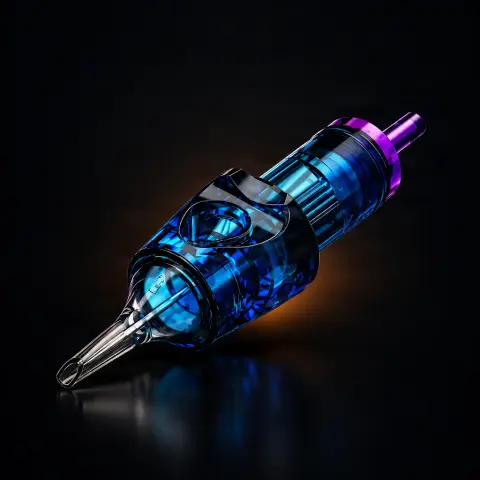
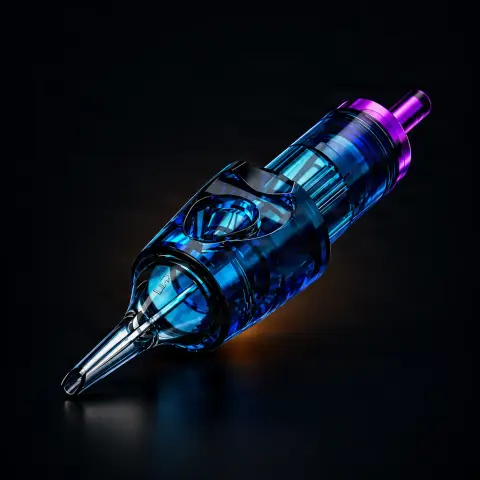
Compatible cartridges to test with


How to check if the mechanism is worn
- Load a fresh, sealed-pack cartridge exactly as you would for a session.
- Hold the machine level and gently move the cartridge with your fingers, side to side and along its length — any perceptible play beyond the piston's normal stroke signals wear.
- Rotate the cartridge 90 degrees and repeat the test — if play only shows up at certain angles, the clip or ring is worn unevenly.
- Remove the front cap if the grip design allows it, and visually inspect the ring or clip for cracks, permanent deformation, an unusually shiny surface (a sign of abrasion), or torn rubber debris.
- Compare against an identical grip that's new or lightly used, if you have one — the difference in insertion resistance is obvious by feel.
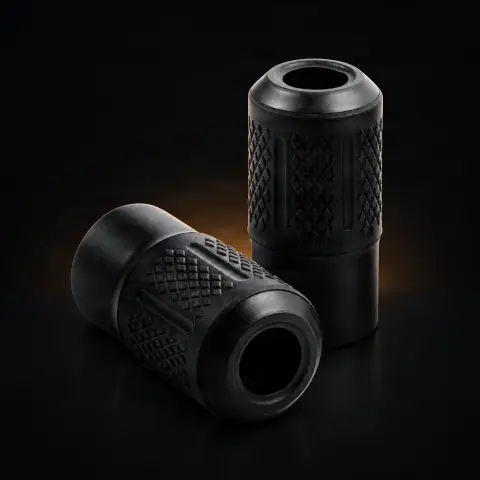
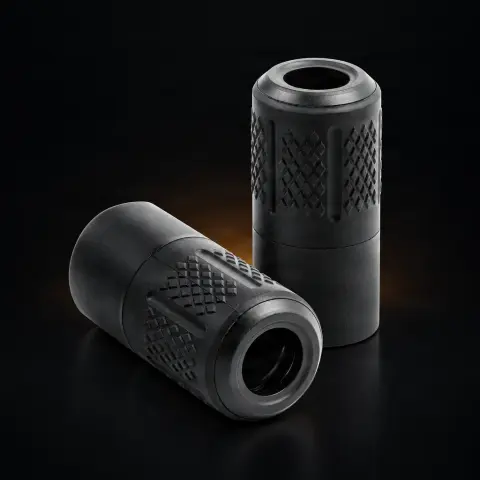
Cartridge grips for testing or replacement
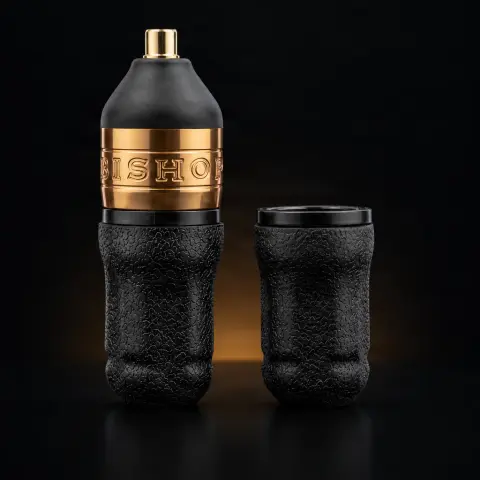
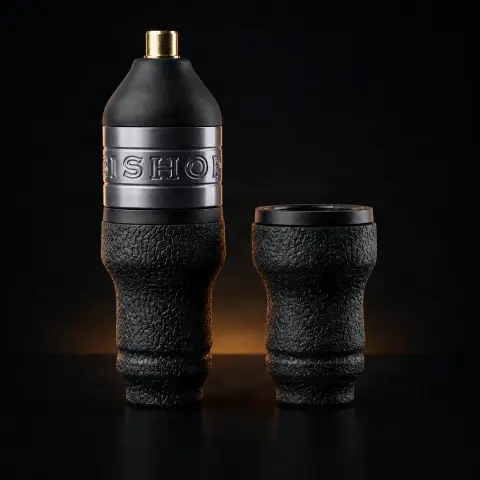
Repairing the mechanism: the practical steps
If the grip uses a removable rubber O-ring, repair is usually simpler and cheaper than replacing the whole grip.
- Disassemble the grip per the manufacturer's instructions (many models have a threaded or press-fit front cap).
- Locate the locking ring — typically visible at the needle-side end of the inner tube.
- Remove it with fine tweezers, without forcing the metal or plastic tube that holds it.
- Clean the ring seat thoroughly with isopropyl alcohol and a lint-free cloth — leftover lubricant or autoclave residue further reduces grip on the cartridge.
- Fit a replacement ring in the correct size (the diameter is usually listed on the grip's spec sheet, or measure the old ring with a caliper).
- Reassemble and repeat the play test from the previous step before using the grip on a client.
Replacement O-rings and seals for grips




Repeated autoclave runs above the ring's rated temperature (usually heat-resistant silicone) speed up rubber degradation. If you're replacing the ring on the same grip often, confirm you're using the consumable the manufacturer specifies for repeated sterilization, not a generic substitute.
When it can't be repaired — replace the grip
If the mechanism is an integrated (non-removable) metal clip that's lost its tension, or if the inner tube — aluminum or steel — has worn out of round (the inner diameter is no longer uniform around the circumference), there's no durable fix: a new ring won't seat correctly in a deformed housing. In that case, the grip needs replacing. The clear sign: play returns after just a few uses even with a fresh ring installed.
Anodized aluminum or stainless steel grips generally hold up through more autoclave cycles without warping than plastic ones, but every material wears eventually — no grip is exempt from periodically checking its locking mechanism.
Întrebări frecvente
How often should I check a grip's locking mechanism?+
For daily use, a quick play test (steps 1-3 above) every 2-3 months catches wear before it affects a session. For occasional use, check any time cartridge insertion feels less resistant than usual.
The cartridge moves just a little — is that normal or a problem?+
A very small 'settling' movement on first insertion is normal on some spring-based mechanisms. It's a problem when you can feel lateral play with the machine sitting still, or see any visible needle movement during work.
Can I use tape or silicone as a temporary fix?+
Not for client work — anything improvised inside the grip can't be cleaned or sterilized properly and won't guarantee consistent needle depth. That's a bench test fix, not a session fix.
Why do only some cartridges wiggle, not all, in the same grip?+
Manufacturing tolerances vary between brands and sometimes between batches from the same brand. If only one brand or batch shows play, that cartridge's diameter is the issue, not the grip — test with a different batch before touching the mechanism.
Is it worth repairing the grip or just buying a new one?+
If the mechanism is removable and only the ring is worn, repairing it usually costs far less than a new grip and takes a few minutes. If the inner tube is deformed or the clip is integrated and rigid, replacement is the only durable option.
Does the wear affect needle penetration depth?+
Yes — play in the locking mechanism lets the cartridge shift axially, which changes the actual depth relative to what's set on the machine. It's one of the leading causes of inconsistent lines with no obvious technique-related explanation.