
What Age Can You Get a Piercing in Romania in 2026? What Health Ministry Order 1648/2024 Changed
Romania's Health Ministry Order 1648/2024 rewrote the rules for tattoo and piercing studios: since May 2024, tattooing is banned outright under 18, with no parental override, while body piercing is banned under 16. Between 16 and 18, piercing (except genital piercing) is allowed only with a parent or legal guardian's written consent. This guide breaks down exactly what that means for parents, minors, and studio owners in 2026.
Health Ministry Order 1648/2024 bans body piercing under 16, requires written parental consent for minors aged 16-18, and bans genital piercing under 18 with no exceptions. Here's what changed for parents, minors, and piercing studios.
What Order 1648/2024 actually is
Order no. 1648/2024, issued by Romania's Ministry of Health, approves the Hygiene Norms for beauty salons and for tattoo, piercing, and dermal implant studios. It was published in the Official Gazette on April 10, 2024, and took effect on May 10, 2024. Beyond sterilization, equipment traceability, and hygiene requirements, the order introduced Romania's first clear age thresholds for tattooing, body piercing, and dermal implants — rules that still apply in 2026 regardless of how long a studio has been operating or what it used to allow.
The age thresholds, in short
- Under 16: body piercing and dermal implants are fully banned — parental consent doesn't override this.
- 16-18: body piercing (excluding genital piercing) is allowed, but only with the written consent of a parent or legal guardian.
- Under 18: genital piercing is fully banned, with no exceptions and no parental consent that can unlock it.
- Under 18: cosmetic or artistic tattooing is fully banned — parents can no longer consent on a minor's behalf, at any age.
- Ear piercing: the one exception to the strict 16-year threshold, though it still requires a parent or guardian's consent.
For tattoos, the order leaves no room for interpretation: banned under 18, full stop, whether or not a parent is present or agrees. For piercing, the law draws a distinction — a full ban only under 16, with a 16-18 window where parental consent unlocks the procedure, except for genital piercing, which stays banned until 18.
The ear piercing exception, in practice
Ear piercing is the only procedure where the law allows a different approach: the strict under-16 threshold doesn't apply, but a studio still needs a parent or legal guardian's consent for a minor. In practice, most serious studios require the parent's physical presence and a signed consent form rather than a verbal confirmation — protecting both the minor and the studio in case of an inspection or a later dispute.
What a studio needs to do to stay compliant
- Check a valid ID for every client — actual age, not a stated one.
- For minors aged 16-18: require the parent's or guardian's written consent, ideally with them physically present for the procedure.
- Explicitly refuse any piercing request under 16 (except ears, which still need parental consent) and any tattoo under 18, regardless of pressure.
- Refuse any genital piercing under 18 — there's no parental consent that creates an exception.
- Keep the paperwork (ID check, signed consent) on file — it can be requested during a Public Health Directorate inspection.
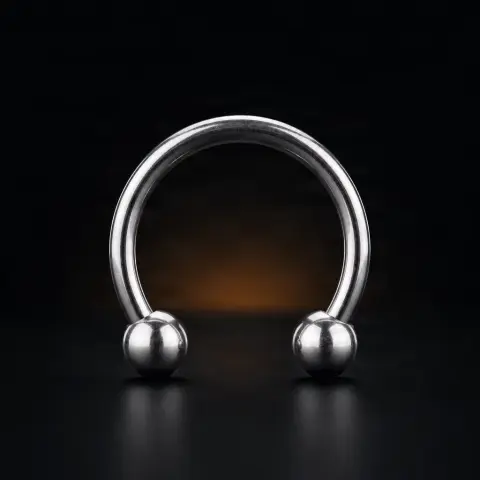
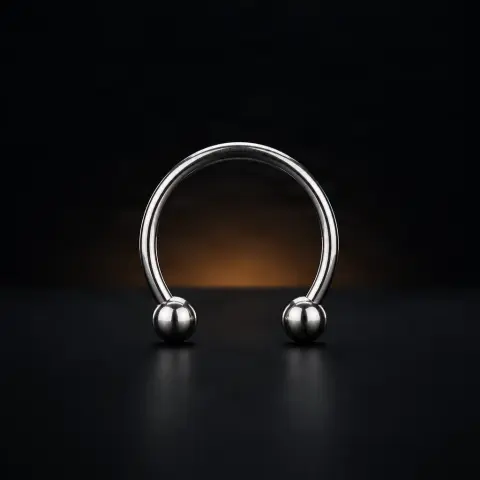
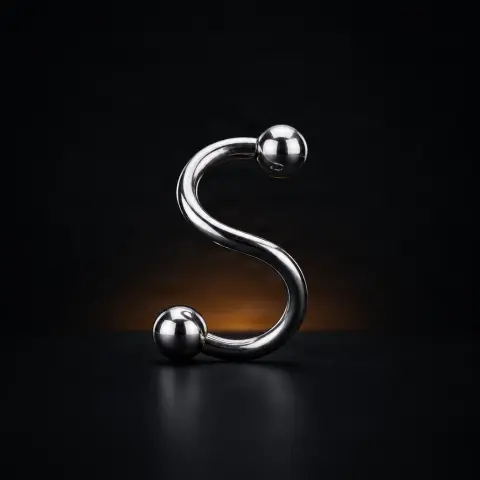
Jewelry for first ear piercings



Why the age thresholds are tied to healing
The age limits aren't arbitrary: a teenager's skin and immune system are still developing, and body piercing healing times (from a few weeks for ears to 6-12 months for a navel or cartilage piercing) come with real risk of infection, jewelry migration, or keloid formation if the procedure isn't done correctly or aftercare isn't followed. A professional piercer also evaluates the specific placement, not just age — some spots (cartilage, areas with reduced blood flow) carry higher complication risk regardless of the client's age. For any healing concern or sign of infection, the right move is to consult the piercer who did the procedure or a doctor, not just online sources.
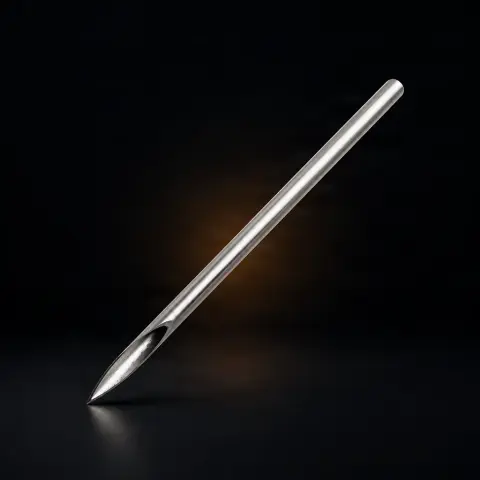
Sterile single-use piercing needles
What a non-compliant studio risks
Failing to meet the hygiene standards and age thresholds in Order 1648/2024 is enforced through Public Health Directorate inspections, alongside the order's other requirements (sterilization, equipment traceability, facility conditions). For the exact penalties that apply to a specific case, consult a lawyer or the order's full text on Romania's legislative portal — this guide is an informational summary, not legal advice.
Search titanium piercing jewelry and hygiene-compliant equipment →
Surse și referințe
Întrebări frecvente
At what age can a teenager get their ears pierced?+
Ear piercing is the one procedure the law doesn't hold to the under-16 threshold, but it still needs a parent or legal guardian's consent. In practice, serious studios require the parent's physical presence for the procedure.
Can a 15-year-old get a belly button or eyebrow piercing with parental consent?+
No. Under 16, body piercing other than ears is fully banned under Order 1648/2024, regardless of parental consent.
What about a 17-year-old who wants a nose piercing?+
It's allowed, but only with the parent or legal guardian's written consent presented to the studio before the procedure.
Do the same rules apply to tattoos?+
No. For tattoos, the order bans the procedure outright under 18 — parental consent can't create an exception, unlike piercing between 16 and 18.
Is genital piercing allowed at 17 with parental consent?+
No, genital piercing is banned under 18 regardless of parental consent.
What paperwork does a minor need to bring to a piercing appointment?+
A valid ID to verify age and, for the cases where it's allowed (16-18, or ears), the parent's or guardian's written consent, usually with them present. For the exact obligations a studio has, talk to a lawyer or check the order's full text.