
Alcohol During Tattoo Healing, Not Just Before Your Session
Nearly everyone has heard the rule about not drinking before a tattoo appointment. What gets skipped is the harder question: what happens if you drink three days later, at a wedding or a party, while the tattoo is still an open wound underneath the surface? These are two different situations with two different mechanisms, and treating them as one is exactly how a good healing process gets derailed.
Most people know to skip alcohol before getting tattooed — fewer realize that drinking during the weeks of healing that follow carries its own, separate risks.
Two different questions, one word: alcohol
Alcohol before a session is mainly a bleeding-during-the-work problem: it thins the blood, the artist fights more oozing, lines come out less clean, and ink gets pushed out along with the excess blood. That part is common knowledge. Alcohol during healing works through a completely different mechanism — it acts on the wound itself, after the needlework is already finished, while your skin is trying to close and rebuild.
What alcohol actually does to a healing tattoo
A fresh tattoo is an open wound made of thousands of micro-punctures. Especially in the first 48-72 hours, it behaves like any other cut or abrasion your body is working to seal. Alcohol interferes with that process in three concrete ways.
- Blood thinning: alcohol reduces platelet aggregation, the clotting mechanism that seals small wounds. A tattoo that had already stopped weeping can start oozing plasma or blood again after a night of drinking, and that can pull pigment out along with the fluid, leaving patchy or faded spots once it scabs over.
- Weakened immune response: your immune system actively sends white blood cells to the tattoo site to manage inflammation and fight bacteria in the first days. Alcohol temporarily suppresses that response exactly when you need it most, raising infection risk.
- Dehydration: alcohol dehydrates the skin, and dehydrated skin heals more slowly, is more prone to irritation, and itches more intensely — which increases the temptation to scratch the scab.
Weddings, birthdays, and parties during your healing window usually come with an extra complicating factor: sweat, heat, and possible contact with pool or sea water on a tattoo that isn't properly covered. The combination of alcohol plus sweat plus friction from clothing or hugs is riskier than any single factor on its own.
How long to actually avoid alcohol
Industry guidance and the medical sources consulted point to a minimum of 48-72 hours after your session, with some sources suggesting up to a week for larger tattoos or areas prone to swelling, like ankles and feet. There is no large clinical trial establishing one universally exact number — the recommendation is based on the physiology of clotting and immune response, not a statistically tested threshold. The larger the tattoo or the longer the session, the more the precaution window should be extended.
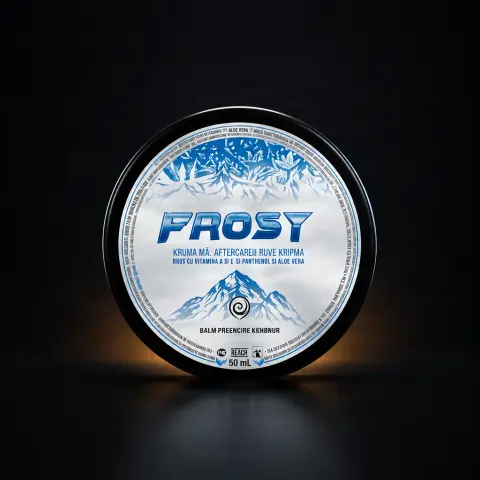
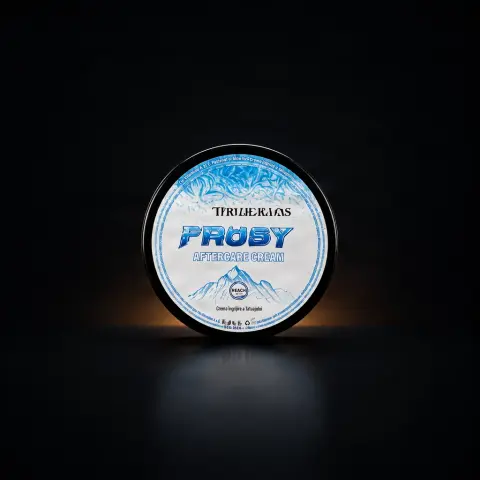
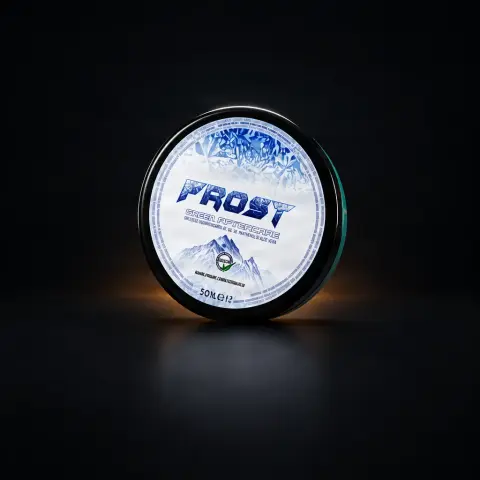
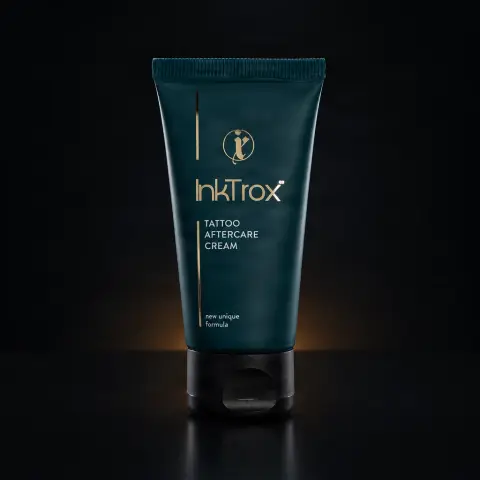
Products that support clean healing
If the event is unavoidable
- Schedule the tattoo so you have at least 3 clear days before the event, not just before the session itself.
- If you do drink, hydrate aggressively with water alongside it — it doesn't eliminate the risk, but it reduces additional dehydration.
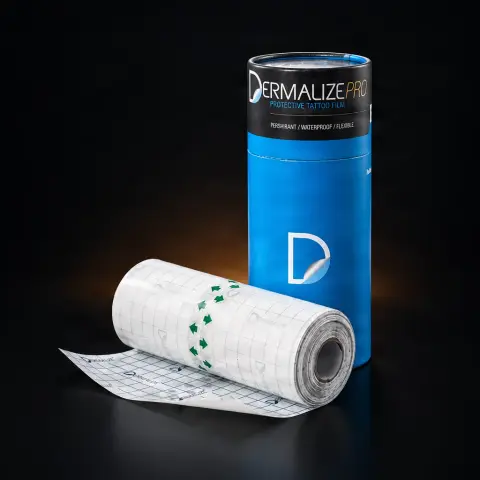
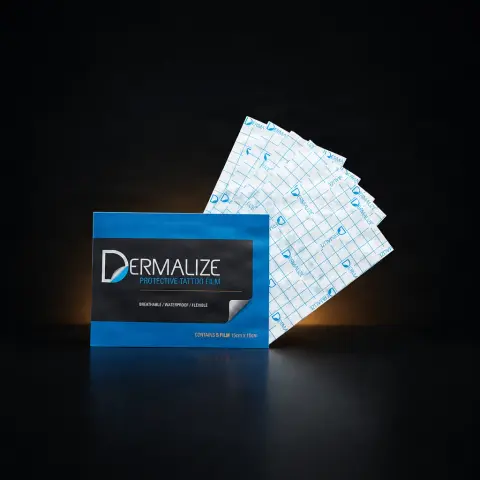
- Cover the tattoo with healing film or a breathable dressing if you're heading somewhere crowded, where friction and contact with other surfaces are unavoidable.
- Avoid intense dancing or activity that drives sweat directly onto the tattooed area.
- Check the area the next day: extended redness, local heat, or foul-smelling discharge are signs of possible infection, not normal healing.
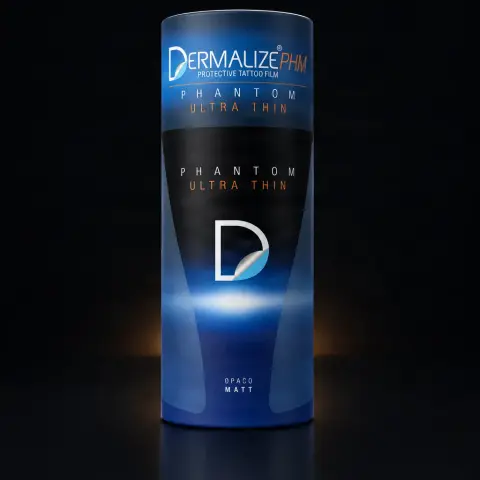
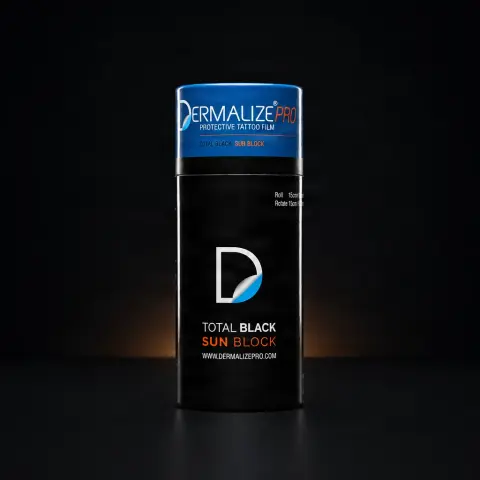
Protective film and dressings for events during healing
This article is informational and does not replace a medical consultation. If you notice signs of infection (spreading redness, warmth, pus, fever) or bleeding that won't stop, contact the artist who did your tattoo or a doctor — don't wait for it to pass on its own.
Why this isn't just studio superstition
The advice to avoid alcohol doesn't come from an arbitrary industry tradition — it comes from verifiable physiological mechanisms: ethanol's anticoagulant effect is medically documented, along with its temporary suppression of immune function and its diuretic effect that leads to dehydration. All three act directly on the processes your wound needs in order to close cleanly.
See all fresh tattoo aftercare products →
Surse și referințe
- Healthline — How Long Does a Tattoo Take to Heal? Timeline, FAQ, and Healing Tips
- MedicineNet — Tattoo Aftercare: 8 Tips For Taking Care of Your New Tattoo
- Reframe — Can You Drink After a Tattoo? A Guide to Aftercare
- Kingpin Tattoo Supply — Alcohol and Tattoos: What to Know Before & After Getting Inked
Întrebări frecvente
How long exactly should I wait to drink after a tattoo?+
A minimum of 48-72 hours, ideally longer for larger pieces. There's no single clinically validated number, but the guidance is based on the time needed for initial clotting and the first stages of wound closure.
Is beer or wine as risky as hard liquor?+
The mechanism — blood thinning, dehydration, weakened immunity — comes from ethanol itself, not the type of drink. Quantity matters more than type: a small amount carries lower risk than a heavy night of drinking, but the risk doesn't disappear entirely.
What actually happens if I drink and the tattoo starts bleeding again?+
Renewed bleeding can pull ink out along with the fluid that escapes, leading to faded patches or uneven color retention once healed. In more serious cases, it also raises infection risk through the reopened wound.
I already drank and the tattoo looks normal the next day — am I fine?+
Probably, if you don't see spreading redness, local heat, unusual swelling, or foul-smelling discharge. Keep monitoring the area over the following days — immune suppression effects can delay signs rather than cause them immediately.
Is rubbing alcohol on the skin the same issue as drinking it?+
No — topical rubbing alcohol applied to the tattoo is a separate problem (it dries out and irritates the skin, which is why artists advise against using it for cleaning), distinct from consumed alcohol, which acts systemically through the bloodstream.
Do piercings carry the same alcohol-related healing risks?+
Yes, the mechanism is identical — blood thinning and reduced immunity affect any open wound, including a fresh piercing channel, where infection risk is already higher than with a tattoo.