
Can You Get a Tattoo With a Cold or Fever? What Happens to Healing
A tattoo appointment feels locked in, but your body doesn't check the calendar. If you wake up with a cold or a fever right before your session, the same system that would heal your fresh tattoo is already busy fighting a virus. Here's what's actually happening inside your body, and why most professional studios will turn you away if you show up visibly sick — or should.
Your immune system does all the work of healing a fresh tattoo — when it's already fighting a cold or flu, healing slows down and infection risk climbs. Here's the actual mechanism, and why rescheduling is usually the right call.
What your immune system does with a fresh tattoo
Biologically, a tattoo is a controlled open wound — thousands of tiny punctures depositing ink into the dermis. The moment the needle touches skin, your immune system launches an inflammatory response: white blood cells move to the site, a protective scab starts forming, and tissue regeneration begins. That process draws on real resources — energy, immune cells, repair proteins — for roughly 2-3 weeks of surface healing, and months for the deeper dermis to fully settle.
What changes when you're already sick
When you have a cold or flu, your immune system is already mobilized against a virus — producing antibodies, activating T-cells, raising body temperature as a defense response. The two jobs, fighting the virus and healing the tattoo, end up competing for the same immune resources. The typical result: slower healing, a thicker or patchier scab, a longer window where the area stays inflamed, and — the part that matters most — a weaker ability to fend off bacteria trying to get into the fresh wound.
A fever isn't just an extra symptom on top of a cold — it's a sign your immune system is already running at full capacity fighting a systemic infection. Adding another open wound (the tattoo) on top of a feverish body is a real, not theoretical, increase in complication risk. Most reputable studios will explicitly refuse to tattoo a client who's visibly running a fever.
Mild cold vs. clear reason to reschedule
- Stuffy nose only, clearly on its way out — a judgment call to discuss with your artist, not an automatic no
- Fever (above 37.5°C / 99.5°F), chills, or general malaise — reschedule, no exceptions
- Muscle aches, unusual fatigue, sore throat — your immune system is actively mobilized, reschedule is recommended
- Symptoms that started in the last 24-48 hours — check with your artist before showing up
- Confirmed contagious illness (flu, COVID, strep throat) — reschedule and quarantine, regardless of how 'fine' you feel
What to do if you get sick before your appointment
- Message the studio as early as possible, ideally 48-72 hours ahead — most artists offer a free reschedule if you're upfront and give notice
- Don't hide symptoms at check-in — a professional artist has both the right and the responsibility, toward other clients, to turn away someone visibly sick
- Wait for a full recovery: at least 24-48 hours after a mild cold, at least a week after flu, COVID, or a bacterial infection like strep throat
- Reschedule, don't cancel — the design stays the same, only the date moves
For once healing actually starts
What you actually risk by getting tattooed sick anyway
- Slower healing and a patchier scab, with a higher chance of scarring or dropped ink in spots
- Higher risk of bacterial infection on the fresh wound, right when your body has fewer resources to fight it off
- A harder session overall — chills and malaise make sitting through the needle noticeably less tolerable
- Risk to the artist and other clients in the studio if the illness is contagious
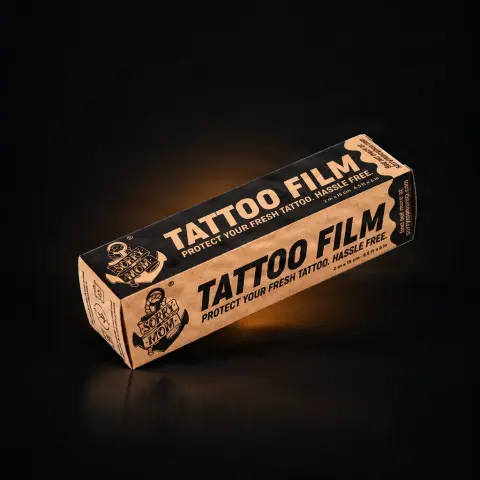
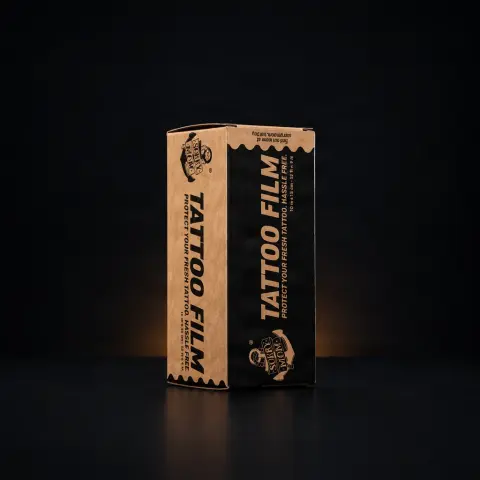
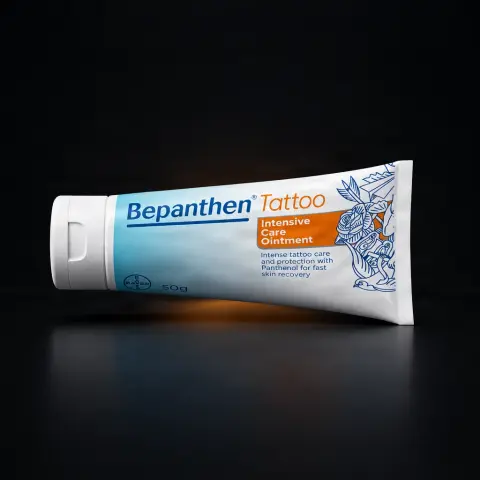
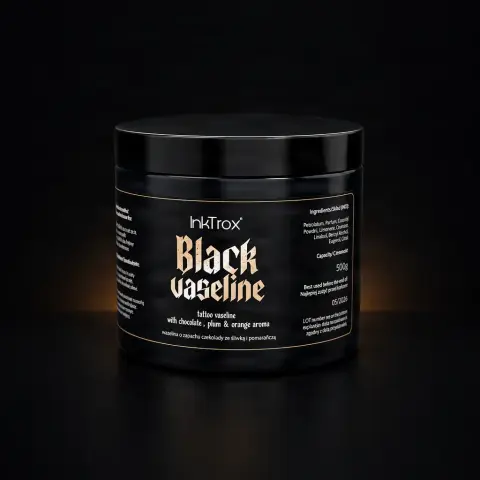
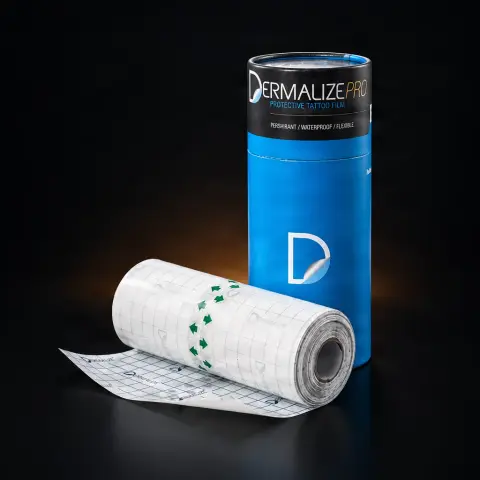
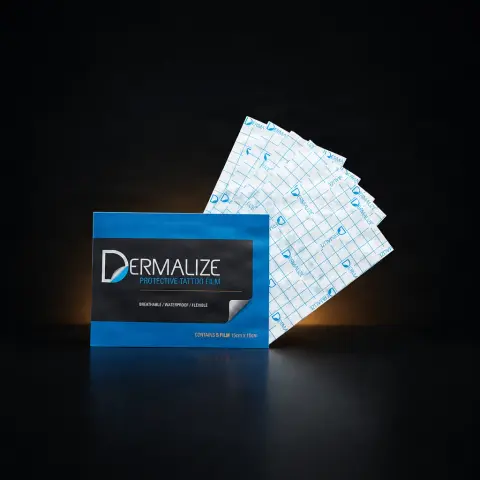
Extra protection for freshly tattooed skin
Infection signs to watch even if you were healthy on tattoo day
Even if you were perfectly healthy at your session, keep an eye on the area for the first 2-3 weeks. Mild redness and warmth in the first 48 hours is normal. What matters is when those signs get worse or new ones show up.
- Redness spreading past the tattoo's edges after day 3, instead of shrinking
- Red streaks radiating outward from the tattoo toward the rest of the body
- Yellow or green discharge with a foul smell
- Persistent or growing swelling, throbbing pain
- Fever above 38.3°C (101°F) or swollen, tender lymph nodes (neck, armpit, groin)
If fever, chills, or general malaise show up while your tattoo is healing — especially alongside rapidly spreading redness — contact a doctor (GP or dermatologist) right away. These aren't signs you manage with healing balm alone.
See tattoo aftercare products →
Surse și referințe
Întrebări frecvente
I only have a runny nose, no fever — do I really need to reschedule?+
Not necessarily. A mild, fading sniffle with no fever and no body aches is a judgment call — message your artist and describe exactly what you're feeling, and let them decide. A fever or general malaise, on the other hand, is a clear reschedule, no exceptions.
Will I lose my deposit if I reschedule because I'm sick?+
Most studios waive the deposit loss for illness if you give reasonable notice — commonly 48-72 hours. Policies vary by studio, so check yours, but showing up sick to avoid losing a deposit is a worse outcome for everyone involved.
How long after a cold or flu should I wait before getting tattooed?+
At least 24-48 hours after a mild cold has fully cleared. For flu, COVID, or a bacterial infection like strep throat, wait at least a week after symptoms resolve — your immune system needs time to fully stand down before taking on a new wound.
What if I develop a low fever during the healing process, not before?+
A very mild, brief temperature bump in the first 24-48 hours after a large session can happen as part of the body's normal inflammatory response, but you shouldn't self-diagnose this. Any fever, chills, or malaise during healing — especially with spreading redness — needs a doctor's assessment, not a guess.
Can I take fever-reducing medication and still get tattooed?+
Masking a fever with paracetamol or ibuprofen doesn't remove the underlying immune strain — your body is still fighting the illness underneath. Be upfront with your artist about the medication and the reason you're taking it; most will still ask you to reschedule.
Is it just about me, or does my illness put others at risk too?+
Both. A contagious illness in a studio can spread to your artist and to other clients waiting for their own sessions, which is exactly why professional artists reserve the right to turn away a visibly sick client on the spot.