
Flash Tattoo vs. Custom Tattoo: The Difference, the Price, and Who Each One Suits
If it's your first tattoo, the words "flash" and "custom" get thrown around at every studio, and they change what you pay, how long you wait, and how one-of-a-kind the result actually is. Here's what really separates them, so you walk into a consultation knowing what to ask for.
A clear breakdown of flash (ready-made) versus custom (designed for you) tattoos, so you know exactly what to ask for at your consultation.
What a flash tattoo is
Flash is a pre-drawn design available to anyone who wants it — displayed on a studio wall, in a physical flash book, or posted on the artist's social media. It isn't adjusted specifically for you: same size, same lines as everyone else who picks it. Flash exists because it's efficient — the artist already has the artwork ready, the stencil is usually prepared or quick to make, and the appointment can often be same-day or walk-in.
What a custom tattoo is
Custom means the design is created specifically for you — for your idea, your chosen placement, your preferred size. It typically starts with a consultation where you describe what you want (a concept, reference images, sometimes a rough sketch), the artist drafts a design, and it usually goes through at least one revision before the actual tattoo day. That design work is real, separate time on top of the tattooing itself.
The price difference
Flash is commonly priced as a flat fee per piece (sometimes with size tiers), because the artist already knows exactly how long the execution takes — there's no design time to bill separately. Custom work is usually charged hourly or per session, and the price covers both the design phase and the tattooing; some studios charge a separate design fee or a deposit that's credited toward the final price. At equal size and complexity, custom generally costs more than flash, precisely because of the design time involved.
- Flash: fixed price, known upfront, little to no negotiation
- Custom: hourly/session rate, estimated at consultation, can shift if the design changes
- Flash: no separate design fee
- Custom: possible design fee or non-refundable deposit
- Flash: predictable total cost from the first minute
- Custom: final cost confirmed only once the design is approved
Wait time and booking
Flash suits quick bookings or even walk-ins, since there's no design stage — the artist moves straight to the stencil and the tattoo. Custom usually requires at least one prior consultation, then time for the artist to develop the design (anywhere from a few days to a few weeks, depending on how booked they are), plus possible revision rounds before the actual session date gets locked in.
Who each one suits
Flash is a solid choice if you want a small-to-medium piece, don't need absolute uniqueness, have a tighter budget, or want to decide quickly on a first tattoo without going through a concept stage. Custom fits better if you have a clear personal idea (a date, a symbol tied to a story, a specific composition for one body area), want the assurance that your design won't show up on someone else, or you're planning a large piece where placement and proportions need to be worked out for your body specifically.
Have the artist confirm clearly whether the piece is flash or custom, who owns the design once it's tattooed on someone (some flash pieces are "one-and-done" — once picked, it's permanently yours and retired from the collection), and whether the quoted price includes the design work or not.
- Decide whether you want a 100% unique design or you're fine with a piece others may already wear
- Set your maximum budget before the consultation
- Bring visual references even if you want custom — it helps the artist understand the direction
- Ask explicitly: flat fee or hourly rate, with or without a deposit
- Confirm the estimated wait time until the actual session
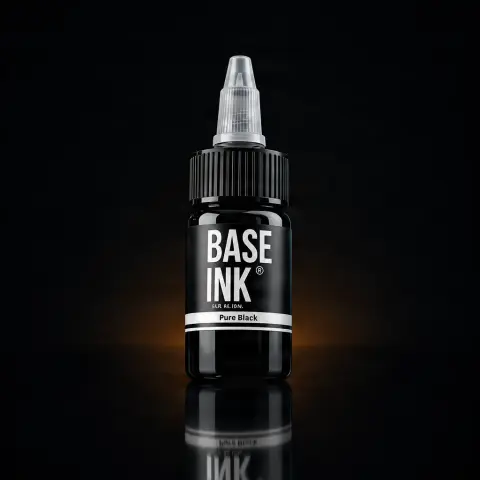
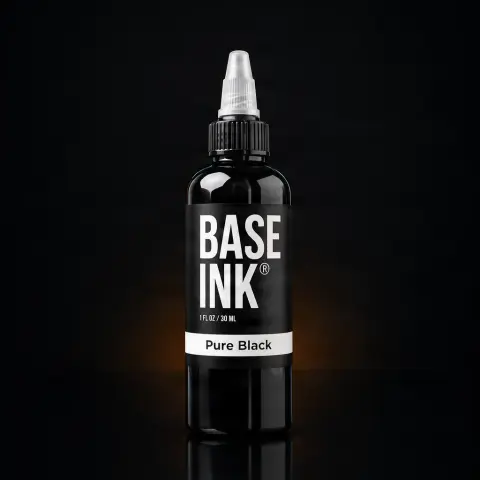
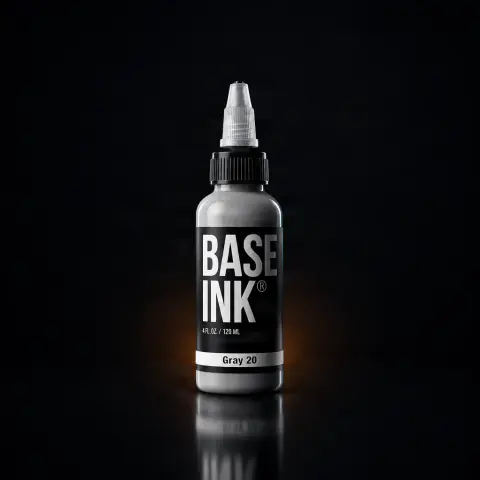
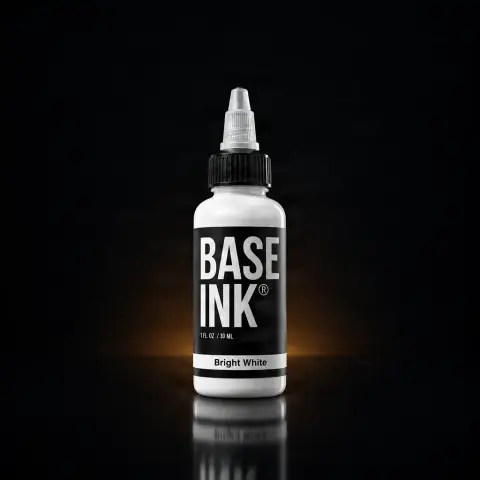
Professional tattoo inks
Uniqueness: how much of the design is really yours
A traditional flash piece can be picked by other clients too, at the same studio or elsewhere, if the artist reuses it or shares it publicly. Some flash pieces are marked "single" or "one-time" — tattooed on one person only, then retired from the collection. Custom, by definition, is made for you, but it's worth clarifying whether the artist keeps the right to reuse it or post it in their portfolio — usually yes, except for very personal elements like names or dates.
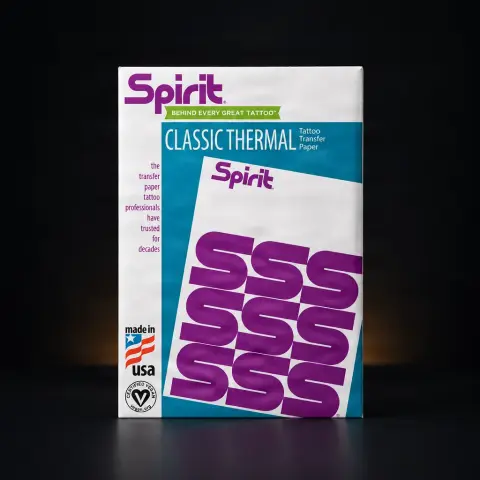
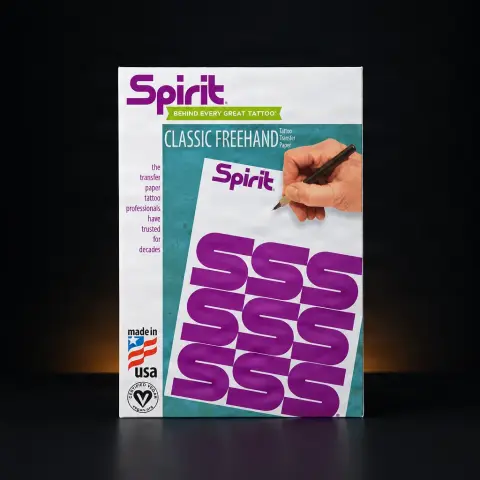
Stencil paper for design transfer
Aftercare, regardless of type
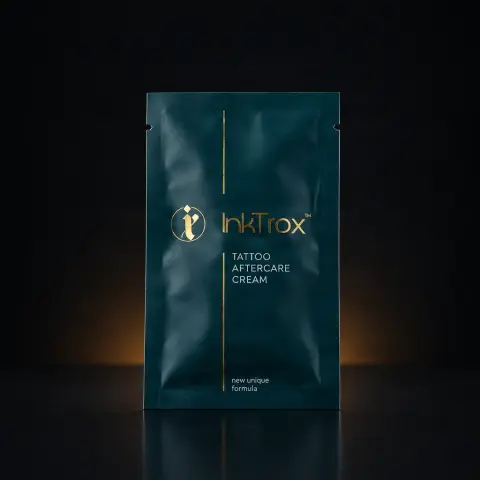
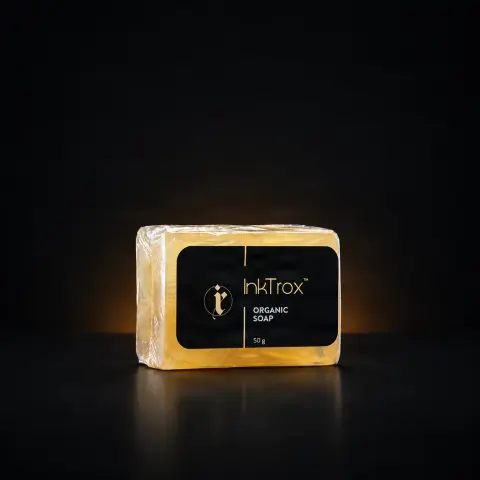
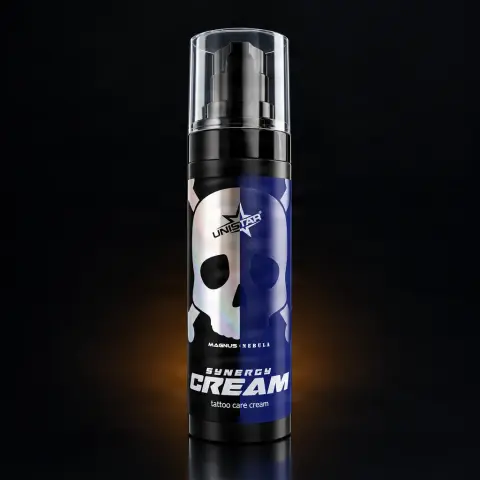
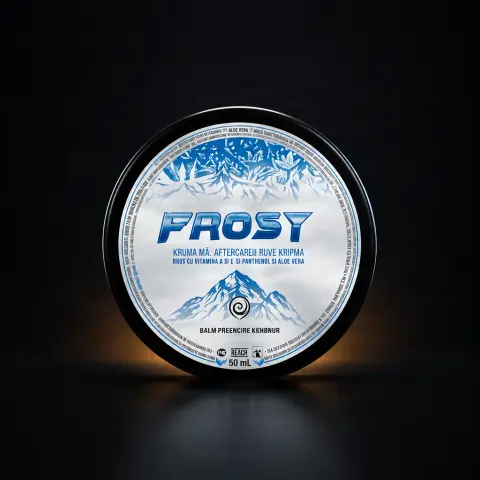
The healing process doesn't differ based on flash versus custom — what matters is size, line depth, and body placement, not where the design came from. Whichever you choose, follow the aftercare instructions your artist gives you and use products made for freshly tattooed skin.
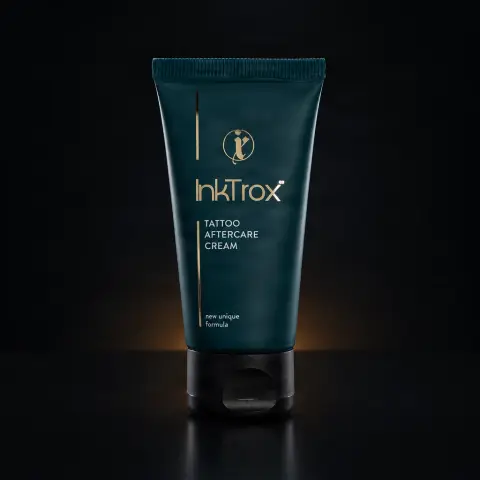
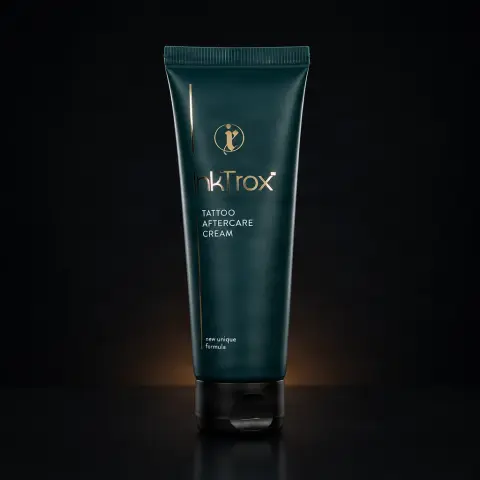
Products for fresh tattoo aftercare
Întrebări frecvente
Is custom always more expensive than flash?+
Almost always, at equal size and complexity — because the custom price covers design time on top of the tattooing itself. A very small flash piece can still match the price of a minimal custom one if the studio has a fixed minimum charge.
Can I ask for changes to a flash design?+
Depends on the artist. Some allow small adjustments (size, orientation, color), others tattoo the flash exactly as drawn to preserve the design's integrity. Ask explicitly before booking.
How long does a custom design take to get ready?+
It varies a lot by artist — anywhere from a few days to a few weeks, depending on complexity and how booked their schedule is. Ask for a clear time estimate during the consultation.
Is flash better suited for a first tattoo?+
Not necessarily better, but simpler as a process — it skips the concept and design stage, removing a source of uncertainty for someone who isn't sure exactly what they want. If you already have a clear idea, custom is just as good a choice for a first tattoo.
Can flash and custom be combined?+
Yes, many artists offer a hybrid option — starting from an existing flash piece and adapting it (size, placement, small details) to your request, usually priced between pure flash and full custom.
Why are some flash pieces pricier than others?+
Line complexity, number of colors, and size all affect execution time, so the price varies — even though the design is already drawn, not every flash piece takes the same amount of time to tattoo.