
Tebori: The Japanese Hand-Poking Tattoo Technique, No Machine
Tebori (手彫り, "hand-carved") is the method Japanese traditional tattooing relied on for centuries, long before electric machines reached Japanese studios. The artist holds a needle-tipped handle — a nomi — and pushes ink under the skin through repeated hand movements, with no motor involved. It's slower, has a long learning curve, and still has an active community of practitioners and clients who seek it out specifically.
How tebori works — the traditional Japanese method of tattooing entirely by hand with a tool called nomi — and what genuinely sets it apart from machine tattooing.
What tebori actually means
Tebori isn't a tattoo style — it's an application method. It can produce traditional Japanese imagery (irezumi: koi, dragons, waves, cherry blossoms), but the term itself refers strictly to the tool and hand motion, not the artwork. Instead of an electric device driving needles up and down hundreds of times per second, a tebori artist manually pushes and pulls a needle-tipped handle in a steady rhythm, repeated thousands of times over a single area.
The tool: nomi
The handle used in tebori is called a nomi. It can be made of bamboo, wood, or metal, with one or several needles fixed at the tip depending on the intended effect — outlines, shading, or color saturation. There's no motor, battery, or foot pedal: all the speed and pressure come from the artist's hand and wrist, trained over years to hold a consistent rhythm.
How the feel and process differ from an electric machine
- Rhythm: a machine runs at a constant, very fast frequency; tebori depends on the artist's manual motion, so the rhythm varies session to session and artist to artist.
- Sound: there's no machine buzz — the process is noticeably quieter.
- Session length: a large piece worked entirely in tebori typically needs more sessions than the same piece done by machine, because manual coverage speed is lower.
- Reported sensation: many clients describe a duller, steadier pressure, different from the sharper machine sting — but pain perception is subjective and varies by person.
- Artist position: in traditional tebori, the artist often works seated on the floor, with the skin held taut by an assistant (called a deshi in an apprenticeship context), rather than at a standard tattoo station.
What's said about healing — and what isn't proven
Within the tebori community there's a common claim that lines hold up better over time, or that ink saturation differs from machine work, because of the angle and depth controlled manually on every needle pass. There are no solid, public, comparative clinical studies confirming healing or longevity differences between tebori and machine tattooing — these are empirical observations passed down within the craft. Healing depends mainly on application hygiene, aftercare in the first weeks, and each person's skin, regardless of the tool used.
Tebori doesn't replace safety standards: single-use sterile needles, gloves, disinfected surfaces, and an artist who follows hygiene protocols are still mandatory. If you have questions about a skin reaction after a tattoo, talk to your tattoo artist or a doctor — this guide informs, it doesn't replace a consultation.
Tebori apprenticeship: years of training, not short courses
Traditional tebori training happens almost exclusively through direct apprenticeship (deshi) under a master (shishō), not short courses. Stories from within the craft describe apprenticeships lasting several years — sometimes over a decade — during which the student first learns to mix ink, prepare tools, and assist, before actually working on skin. It's a far longer process than standard machine-tattooing training, which also explains the relatively small number of active tebori artists worldwide.
Certified tebori artists, sought internationally
Because the number of masters who teach traditional tebori is limited, artists certified through this apprenticeship lineage are sought out by clients from outside Japan, who travel specifically for a tebori session. Reputation is built on the apprenticeship lineage — who trained them — not just a portfolio, which makes verification more important than with a typical tattoo artist.
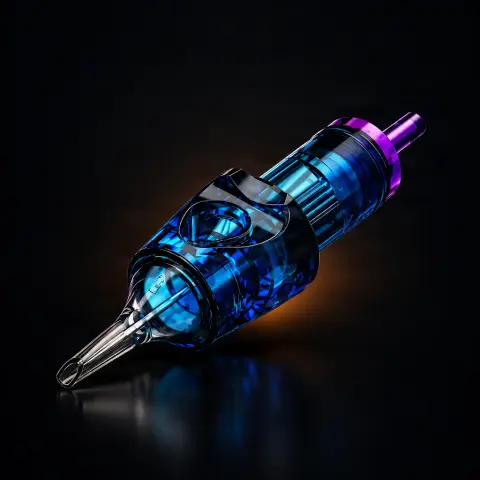
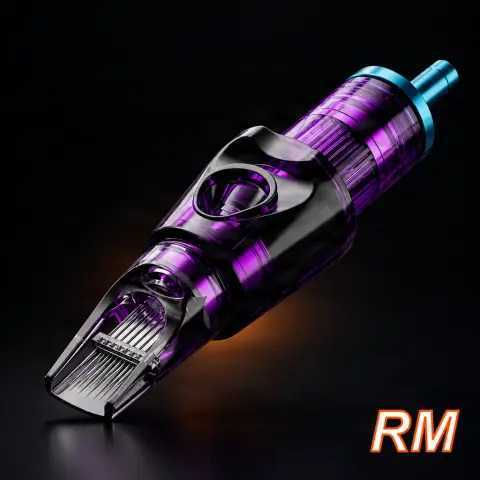
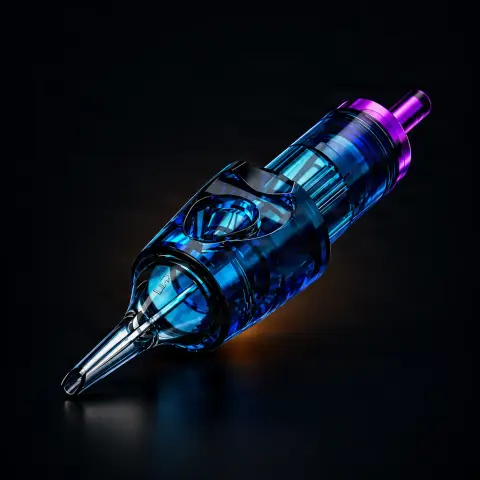
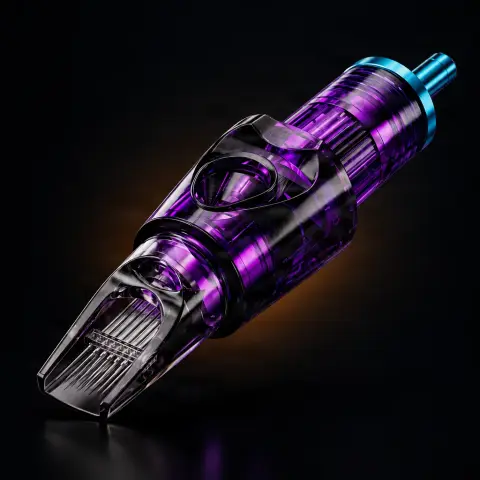
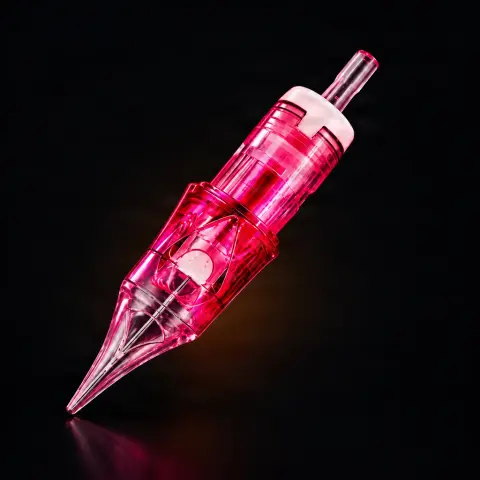
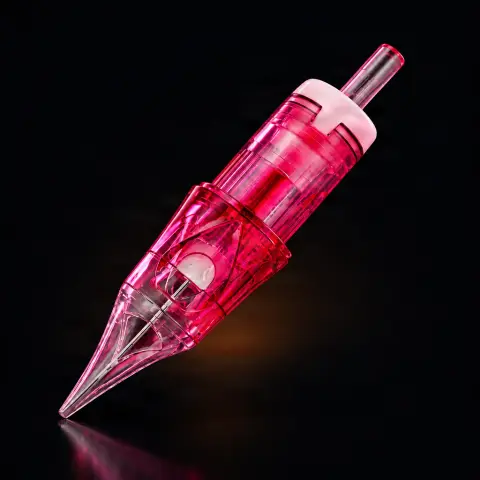
Tattoo needles for lining and shading
Tebori or machine: how to choose
- Want a traditional Japanese tattoo with a direct link to the technique's history → tebori, if you can find a certified artist and have time for multiple sessions.
- Want speed, a predictable rhythm, and shorter working time → the electric machine remains the standard option, used by most studios.
- Want a traditional Japanese look but not necessarily applied by hand → many artists combine tebori for certain areas (shading, saturation) with machine work for outlines, a common practice today.
- Budget and time matter: tebori usually requires more sessions billed separately, because manual coverage speed is lower.
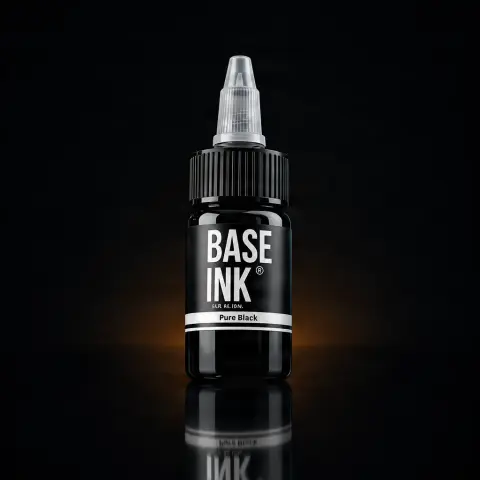
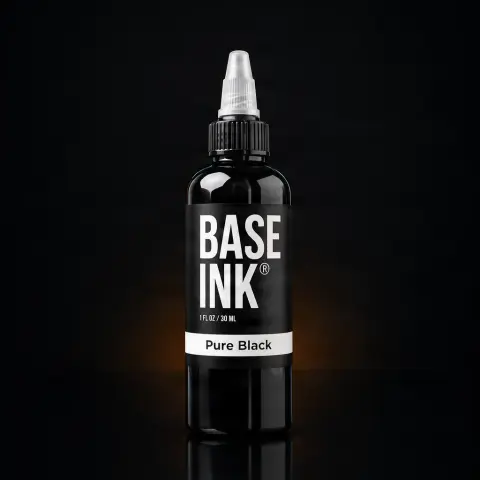
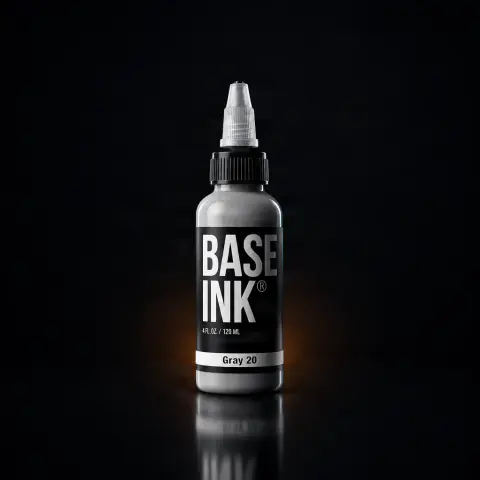
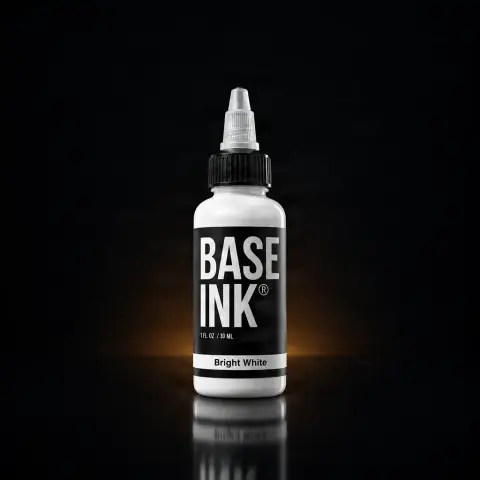
Traditional black tattoo inks
How to vet an artist before a tebori session
- Ask to see proof of their apprenticeship lineage or the name of the master they trained under.
- Check a portfolio of healed work, not just fresh photos.
- Ask explicitly about hygiene protocol: individually sterile needles, gloves, surface disinfection.
- Discuss the estimated number of sessions and total cost upfront, since tebori takes longer than machine work.
- If the session is in another city or country, confirm the cancellation/rescheduling policy early — demand for certified tebori artists is high.
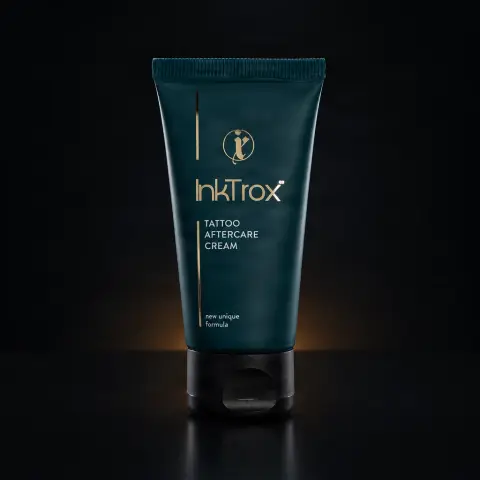
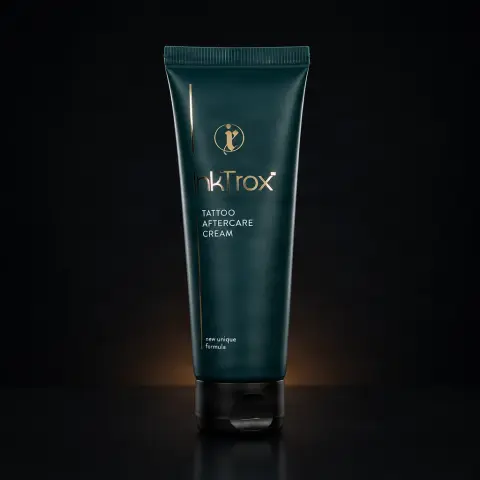
Aftercare for fresh tattoos



Întrebări frecvente
Does tebori hurt more than machine tattooing?+
There's no clear evidence that one technique is more painful than the other — pain perception is subjective. Many clients describe the tebori sensation as a steady pressure, different from the machine's sharper sting, but not necessarily more intense.
How long does a large tattoo take when done entirely in tebori?+
Usually longer than the same piece by machine, because manual coverage speed is lower. The exact number of sessions depends on the size and complexity of the design and is set with the artist beforehand.
Is tebori only for traditional Japanese styles?+
Historically, tebori is associated with irezumi (traditional Japanese motifs), but the tool itself can be used for other designs too. In practice, most active tebori artists work in the traditional Japanese style.
Does a tebori tattoo heal differently than a machine one?+
There are no public clinical studies confirming healing differences between the two techniques. Healing depends mainly on hygiene, aftercare in the first weeks, and each person's skin.
Why are there so few certified tebori artists?+
Because training happens through direct apprenticeship under a master, a years-long process, not short courses — the number of masters teaching traditional tebori is limited.
Can tebori and machine work be combined on the same piece?+
Yes, it's a common practice: many artists use the machine for outlines and tebori for shading or color saturation, or vice versa, depending on their working style.