
Employee vs. Self-Employed Collaborator (PFA) in a Tattoo Studio: What to Choose and Why It Matters
When you formalize your first tattoo artist hire or an existing collaboration, Romanian law gives you two main routes: a full employment contract or a collaboration with a self-employed person (PFA) who invoices you. The difference isn't just paperwork — monthly costs, obligations to the tax authority (ANAF), and the risk of a tax audit change completely depending on which route you pick. This guide explains how each option works and the 7 criteria ANAF uses to reclassify a 'PFA collaborator' as a disguised employee, with taxes recalculated retroactively against the studio.
Costs, obligations, and the risk of Romanian tax authorities reclassifying a self-employed collaborator differ sharply from hiring an employee — the wrong choice can cost you retroactively.
Employment contract: what it means for the studio
A standard employment contract creates a subordination relationship: you set the schedule, the workplace, the tools, and how the work is organized. In exchange, you take on the full set of employer obligations.
- Guaranteed minimum wage, regardless of how many clients the artist tattoos in a given month
- Employer's labor insurance contribution (CAM) of 2.25% of gross salary, paid by the studio
- Paid annual leave, sick leave, and social protection rights
- Equipping the workstation with furniture, gear and consumables at the studio's expense
- Direct liability for working conditions and for dealing with the Labor Inspectorate
From the employee's gross salary, 25% pension contribution (CAS), 10% health contribution (CASS) and 10% income tax on the base remaining after CAS and CASS are withheld — the artist receives the net amount, while the studio bears the full cost: gross salary plus the employer's CAM contribution.
PFA collaboration: what it means for the studio
Collaborating with a PFA means, in theory, two independent parties: you pay an invoice for services, and the PFA manages its own contributions and tax. There's no subordination, no imposed schedule, no tools provided by you — at least not on paper.
- The studio pays the invoiced price, with no employer contribution (CAM) and no employer obligations
- The PFA only owes the 10% health contribution (CASS) if annual net income exceeds the threshold of 6 minimum gross wages
- The PFA only owes the 25% pension contribution (CAS) if annual net income exceeds the threshold of 12 minimum gross wages
- The 10% income tax applies to net income remaining after deducting contributions
- In theory, the PFA must bring their own tools, set their own schedule, and remain free to work with other clients
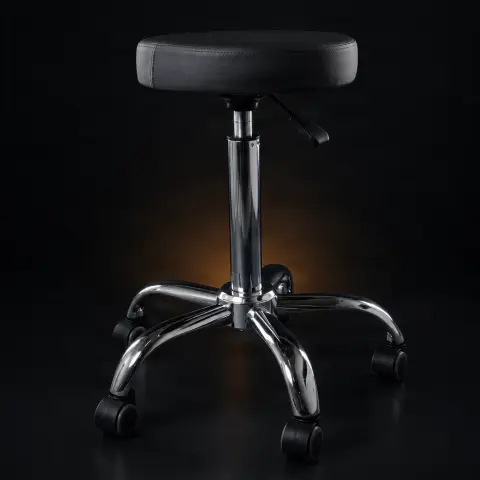
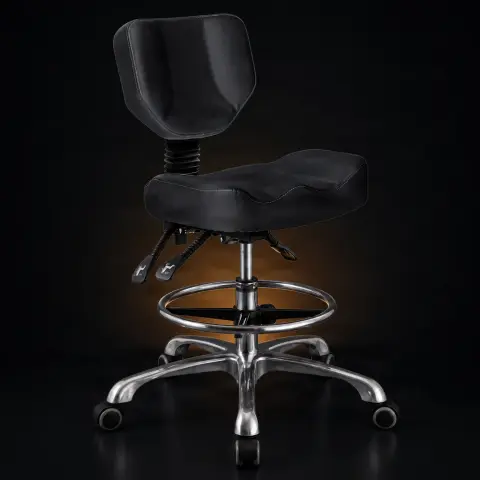
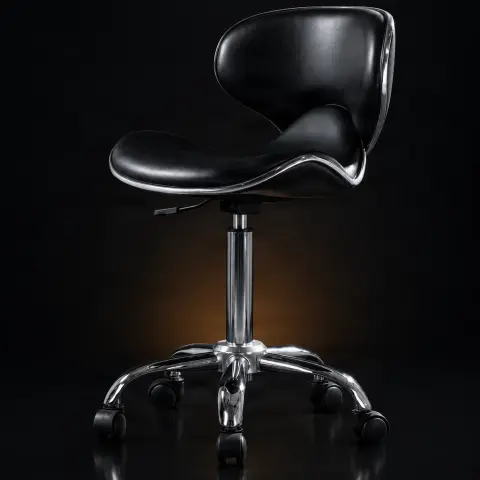
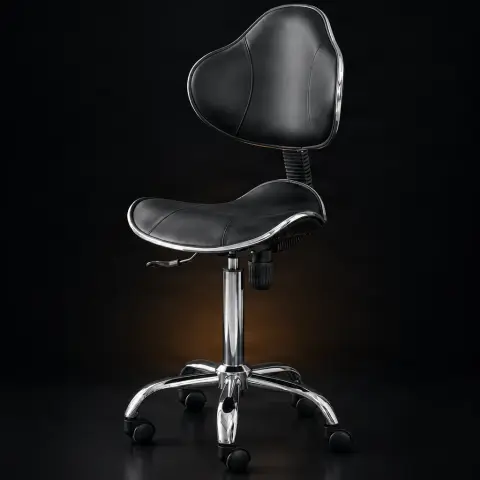
Equipping a new workstation
What each option actually costs
In 2026, Romania's minimum gross monthly wage is 4,050 lei (rising to 4,325 lei from July 1, 2026), and that figure anchors every threshold below. As an employer, you pay the gross salary plus 2.25% CAM; from the gross amount, 25% CAS, 10% CASS and 10% income tax are withheld to reach the net figure. For a PFA, the mandatory CASS threshold is 6 minimum wages (24,300 lei net annual income), and the maximum CASS calculation base rose from 60 to 72 minimum wages (291,600 lei). CAS only becomes mandatory above 12 minimum wages (48,600 lei net annual income) — below that threshold, a PFA with modest tattoo income can end up paying noticeably less to the state than an employee earning the equivalent.
| Criterion | Employee on a work contract | PFA collaborator |
|---|---|---|
| 25% CAS and 10% CASS | Withheld from the gross salary, at any income level | Only owed above the thresholds: CASS above 6 minimum wages (24,300 lei net annual income), CAS above 12 minimum wages (48,600 lei net annual income) |
| Labor insurance contribution (CAM) 2.25% | Paid by the studio, on top of the gross salary | Does not apply |
| 10% income tax | Applied to the base left after CAS and CASS | Applied to the net income left after deducting contributions |
| Cost for the studio | Gross salary + CAM, regardless of how many clients the artist has in a month | The invoiced price, fully deductible as an expense |
| Schedule and place of work | Set by the studio — a subordination relationship | Set by the PFA, with no imposed schedule |
| Gear, furniture and consumables | Provided at the studio's expense | Brought by the PFA, from their own resources |
| Exclusivity | Works for the studio, within the setup the studio imposes | Free to work with other clients too, with no exclusivity clause |
| Social rights | Paid annual leave, sick leave, social protection | None from the studio |
| Reclassification risk | None | High if the relationship meets fewer than 4 of the 7 criteria; the recalculated back taxes fall on the studio |
A PFA invoicing more than an employee's net pay isn't automatically 'cheaper' for you — with an employee, the studio's total cost is gross salary plus CAM, but there's no reclassification risk. With a PFA, the price is fully deductible, but if the relationship is reclassified as dependent activity, you — the beneficiary — are the one who pays the difference in contributions and tax, plus penalties, retroactively for the entire collaboration period.
The reclassification risk: 7 criteria under the Fiscal Code
Article 7, paragraph (3) of Romania's Fiscal Code defines an activity as independent if it meets at least 4 of the following 7 criteria. Below that threshold, ANAF can reclassify the collaboration as dependent activity — in practice, an employment relationship disguised behind a PFA invoice.
- The person is free to choose the place, the manner of carrying out the work, and the schedule
- The person is free to work for multiple clients, with no exclusivity clause
- The risks of the activity (financial and professional) fall on the person performing it, not on the beneficiary
- The activity is carried out using the person's own resources (tools, equipment, capital)
- The activity relies on the person's own intellectual and/or physical capacity, as appropriate to the field
- The person belongs to a professional body or order that regulates and oversees the profession, where applicable
- The person is free to carry out the activity directly, with their own hired staff, or through collaboration with third parties
A PFA tattoo artist who works exclusively for you, comes in daily at hours you set, uses the studio's machines, ink and furniture, and has no clients outside your chair checks most of the boxes for dependent activity — regardless of what the collaboration contract says. ANAF doesn't care about the contract's title; it cares how the relationship actually works.
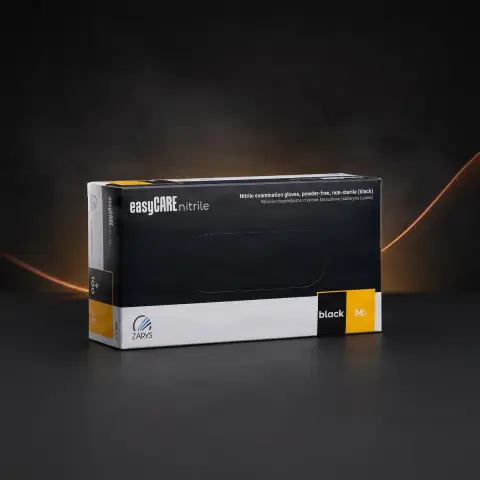
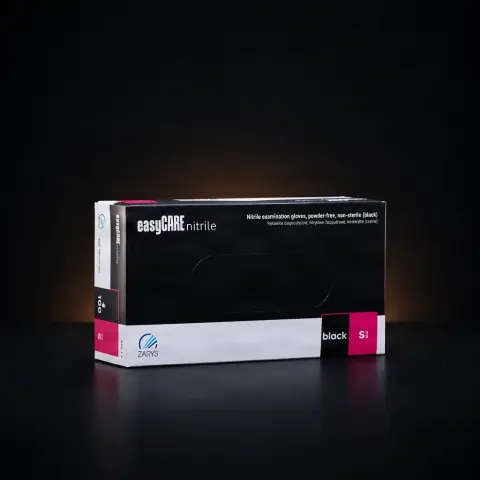
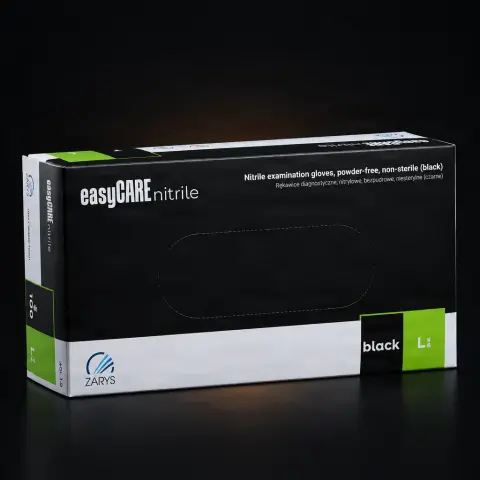
Consumables to equip a hired artist

How to choose, based on your actual studio setup
This isn't an ideological choice — it's about how the working relationship actually looks day to day.
- A permanently integrated artist, on a fixed schedule, working exclusively for you and using the studio's equipment → an employment contract is the correct and fiscally safer option
- An artist renting a chair/space, bringing their own machines, managing their own client bookings, and also working at other locations or events → a PFA collaboration is defensible, if both the contract and daily practice genuinely reflect independence
- A PFA collaborator who works only with you, on a schedule you set → high reclassification risk, even with an active, correctly invoicing PFA
- A mixed situation (part employee, part event collaborator) → put in writing which rules apply to which type of activity, so they don't overlap
This guide covers the general mechanism, but every studio has particulars — schedule, invoicing method, exclusivity, who owns the tools — that change the calculation. Consult an accountant or a tax lawyer before signing the contract, especially if the artist has already been working informally with you for a while.
Starter kit for a newly hired artist
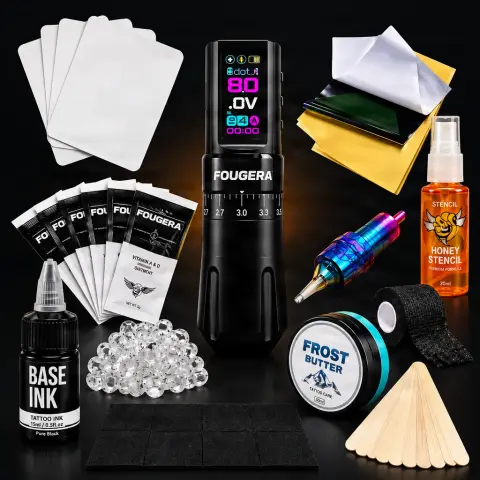
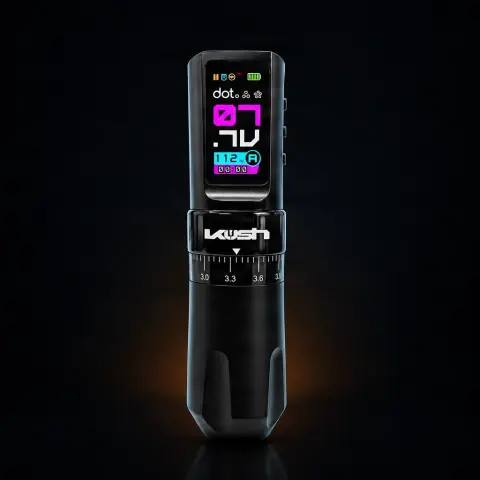

Equip your new artist's workstation →
Surse și referințe
- Codul fiscal 2026, Art. 7 – Definiții (cele 7 criterii ale activității independente)
- Avocatnet.ro – „PFA: Cele șapte criterii pentru identificarea activității independente, explicate de un specialist"
- Contabilitate pe bune — Activități independente 2026: cele 7 criterii și reîncadrarea
- Alfasign — Activitate dependentă vs independentă: ghid pentru freelanceri
- Contapp — Taxe PFA 2026: CAS, CASS și impozit, cu exemple de calcul
- Edenred — Ghid salarii 2026: totul despre CAS, CASS și salariul net
Întrebări frecvente
Can I have one employed artist and one PFA collaborator in the same studio?+
Yes, there's no rule forcing a single type of relationship. What matters is that each relationship genuinely reflects its declared status — a fully subordinated employee, or a truly independent PFA.
What exactly happens if ANAF reclassifies a PFA collaborator?+
The relationship is recalculated as dependent activity for the entire audited period: contributions and tax are recomputed as if it were a salary, and the difference, plus late-payment penalties and interest, falls on the studio as the beneficiary of the services, not on the PFA.
Does a collaboration contract with independence clauses automatically protect me?+
No. ANAF looks at how the activity is actually carried out, not just the contract's wording. If in practice the artist has an imposed schedule, exclusivity, and uses your tools, the reclassification risk remains regardless of what the paper says.
Is a PFA cheaper overall than an employee?+
It depends on income. Below the CAS and CASS thresholds (6 and 12 minimum wages per year, respectively), a PFA can pay less to the state than an employee earning the equivalent, but that gap disappears above those thresholds, and reclassification risk can wipe out any savings.
Who pays if a former PFA collaborator complains to the Labor Inspectorate that they were actually an employee?+
If dependent activity is confirmed, the studio, as beneficiary of the services, is liable for the retroactively unpaid contributions and for any administrative sanctions imposed by the Labor Inspectorate or ANAF.
Do I really need an accountant for this decision?+
Yes, it's recommended. Every studio has particulars — schedule, invoicing, exclusivity, who owns the equipment — that change the cost and risk calculation. An accountant or tax lawyer can assess your specific situation before you sign.