
Tattoo Artist-Studio Collaboration Contracts: The Clauses Usually Missing
Most tattoo artist-studio collaboration agreements in Romania stop at the commission split (40/60, 50/50) and working hours. But the disputes that actually end up in conflict happen elsewhere: who's liable when a client has an allergic reaction, who keeps the deposit when a booking is cancelled, and who owns a design once the artist leaves the studio. Here's what standard templates usually leave out.
The percentage split and the schedule are just the starting point. This guide covers liability for allergic reactions, client deposits, and design ownership — the clauses that prevent real disputes between artist and studio.
Why percentage and schedule aren't enough
A contract that only fixes the split and the hours looks complete on paper because it covers the two things both sides negotiate hardest over. But it stays silent on everything that happens when something goes wrong mid-relationship: an allergic reaction during a session, a client who paid a deposit for a date the artist no longer works, or a portfolio of designs nobody agreed who owns. Those are the clauses that actually get argued over — usually right when the collaboration is ending, which is the worst time to negotiate them for the first time.
Who is liable for a client's allergic reaction
Under general Romanian civil liability rules, the person who caused the harm is the one who answers for it — in practice, the artist who applied the ink. But if the studio is the one that contracted with the client (took the booking, issued the invoice, collected payment), the client can just as easily go after the studio first, which then has to recover the loss from the collaborating artist. The contract needs to spell out, explicitly: who is responsible for obtaining a signed informed consent form before each session, who keeps the client's allergy history on file, who covers costs if a reaction requires treatment, and whether there's a professional liability insurance policy — separate or shared — that actually covers this.
Every session needs a consent form completed and signed by the client, including any known allergy history, kept on file by the studio. As a practical baseline, keep it for the general civil liability limitation period under Romanian law — typically 3 years from the date of the incident (Civil Code, art. 2517) — though a longer retention window is safer given how late reactions can surface.
Hypoallergenic inks for sensitive clients
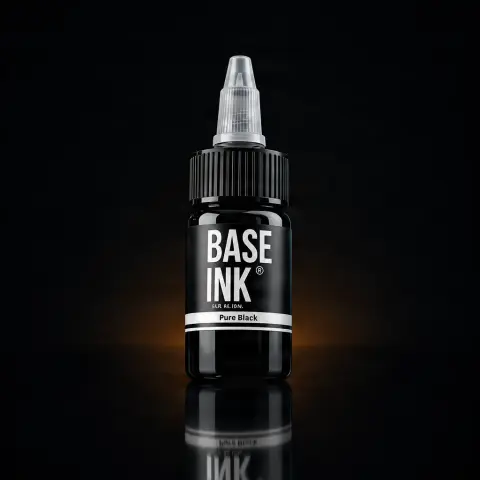
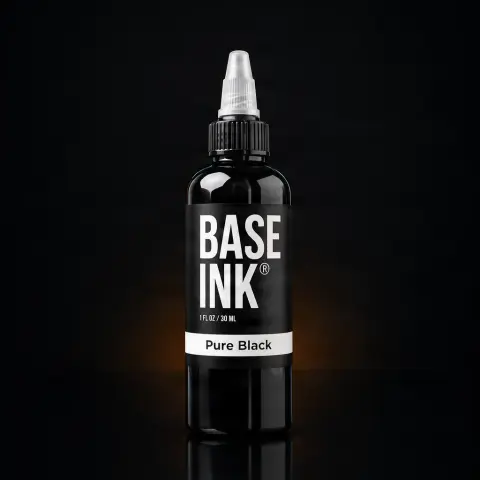
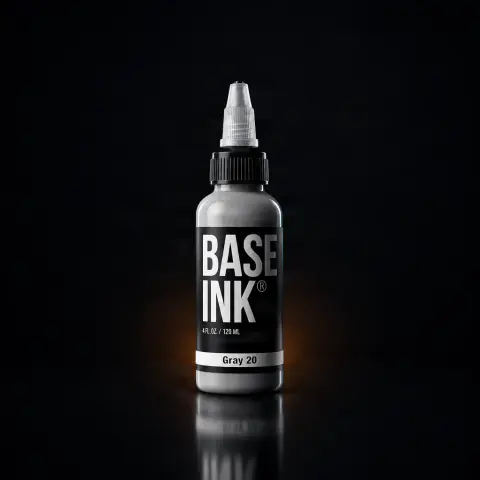
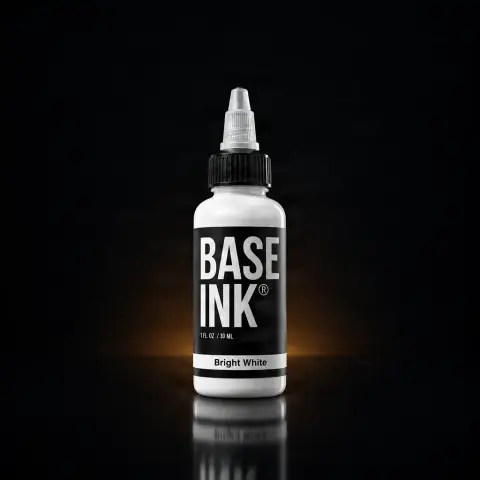
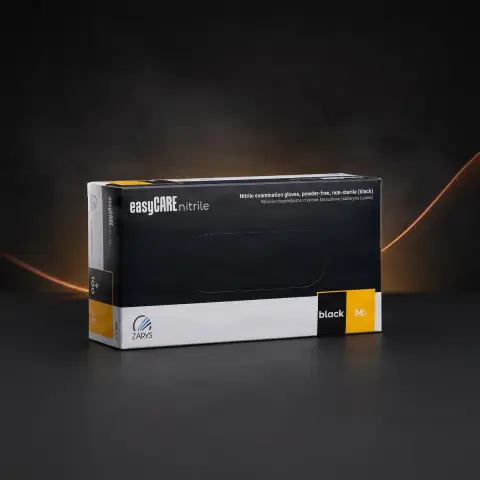
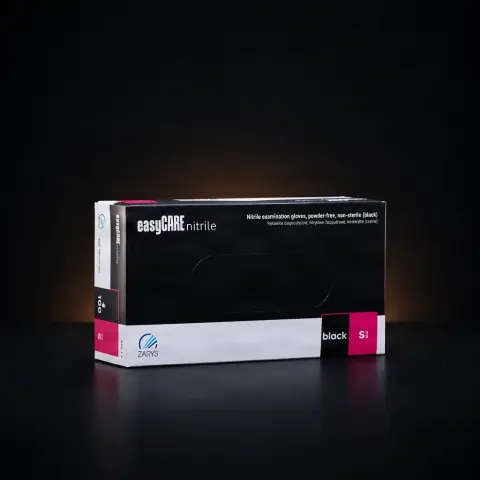
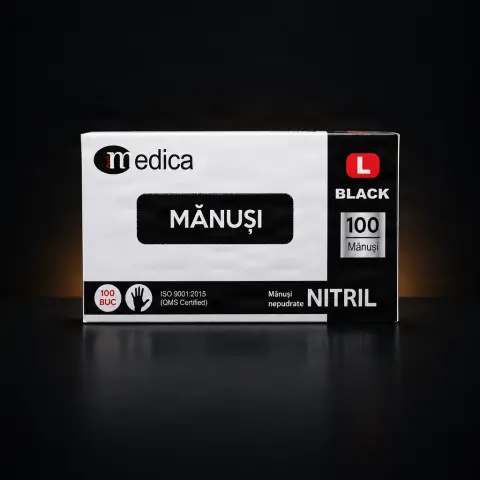
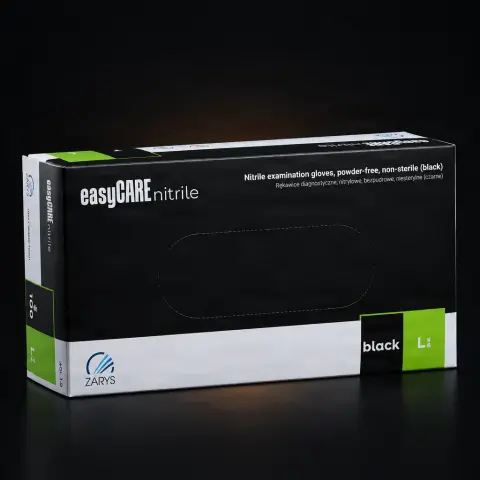
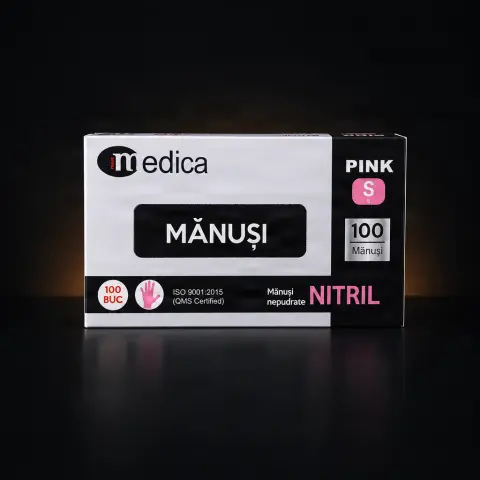
Single-use gloves and consumables
Client deposits — who collects them and how they're split
A common gap: the studio takes the booking deposit through its own account, but the contract never says what happens to it beyond the obvious case (client shows up, deposit gets deducted from the final price, split per the usual percentage). It rarely covers cancellations, no-shows, or — the one that actually causes conflict — what happens to deposits already collected for future dates when the artist leaves the studio before those appointments happen. Spell out explicitly: whether the deposit is forfeited to the studio on a no-show or partially compensates the artist for the blocked slot, and — critically — that deposits tied to future bookings must be refunded to the client or transferred with the client's consent, not simply kept by the studio while the booked artist is no longer there to deliver the session.
Design ownership — whose sketch is it once the tattoo is done
Under Romanian copyright law (Law 8/1996), copyright over a work of intellectual creation belongs to its author from the moment of creation, regardless of whether it's ever published, and without needing any registration. A design drawn by the tattoo artist is, by default, that artist's work — the person paying for the studio space or hosting the artist does not automatically acquire rights to it unless there's an explicit written assignment. The contract should clarify: whether the artist can take unused designs when they leave, whether the studio can keep reposting the artist's designs on its own social accounts after the artist is gone, and who holds rights to custom flash pieces a client specifically paid for versus generic portfolio pieces.
Other essential clauses that get left out
- The real fiscal nature of the collaboration (an independent contractor/PFA arrangement, not a disguised employment relationship) — subordination, an imposed schedule, and studio-provided equipment are the exact factors that get a collaboration contract reclassified as employment, with retroactive tax and contribution liability for the studio.
- A reasonable non-compete clause (radius, duration) — an unlimited one risks being struck down as void.
- Who supplies equipment and consumables, and who bears that cost.
- Notice period and termination terms — including how already-booked appointments get handled.
- Client data confidentiality (GDPR) — who is the data controller, and what happens to the client list when the artist leaves.
- Professional civil liability insurance — who carries it, and what it actually covers.
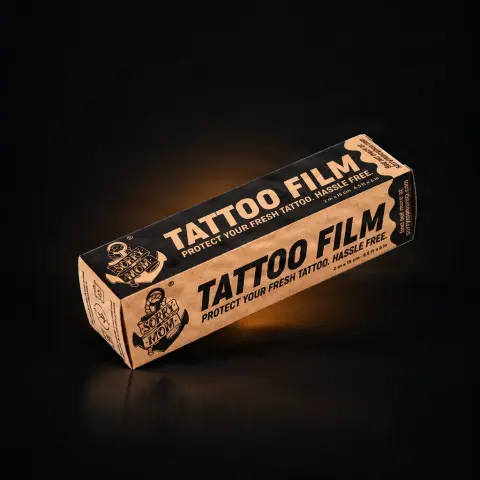
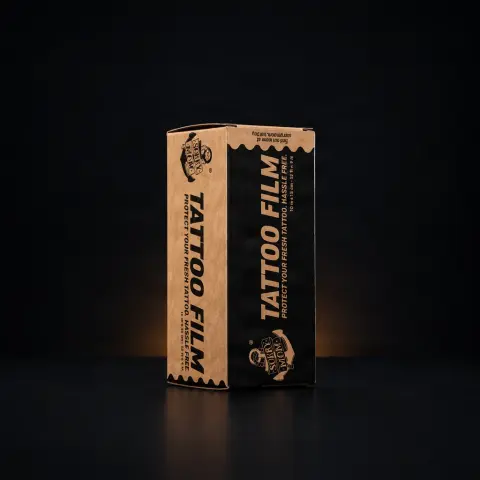
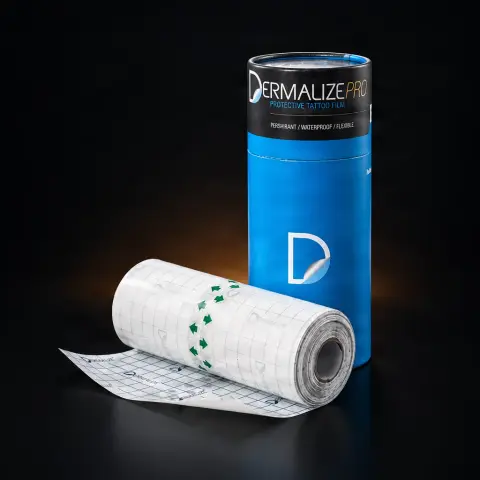
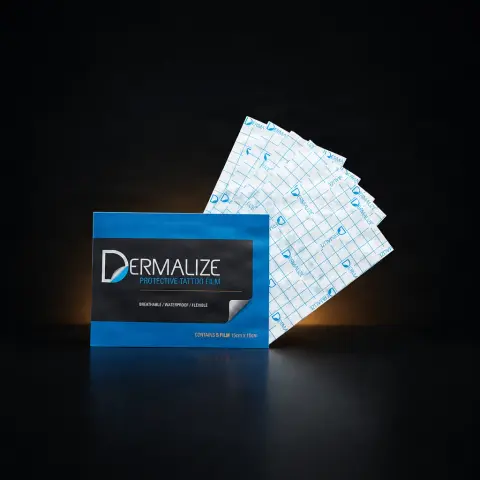
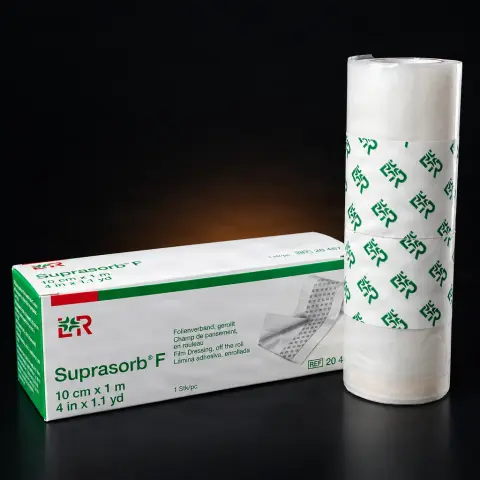
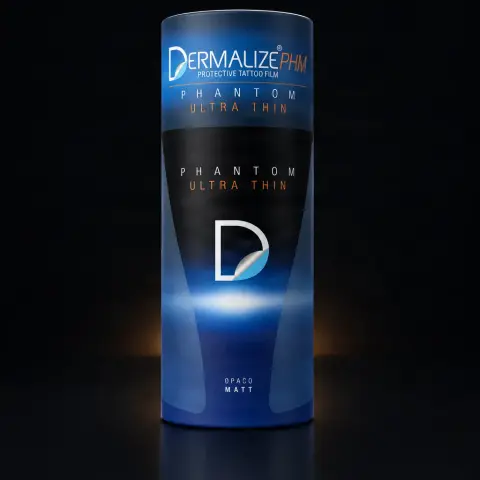
Aftercare protective film for fresh tattoos
The minimum structure of a solid collaboration contract
- Purpose of the collaboration and its fiscal status (independent contractor — no subordination)
- The percentage split and how it's calculated (gross or net price)
- Schedule and flexibility (without excessive subordination)
- Liability for allergic reactions and incidents during a session
- How client deposits/advances are handled
- Ownership and use of designs
- Client data confidentiality
- Reasonable non-compete + termination notice
When you need a lawyer
These contracts sit at the intersection of civil, tax, and intellectual property law at the same time, which is exactly why generic templates found online rarely fit a tattoo studio's actual situation. Have a lawyer or accountant review the final version before signing — the reclassification-risk clauses especially, since getting those wrong is what triggers retroactive tax exposure.
It's meant to help you ask the right questions before you sign or draft a collaboration contract. The final wording should be checked by a lawyer or accountant familiar with Romanian labor, tax, and copyright law.
Browse studio equipment and consumables →
Surse și referințe
- Law no. 8/1996 on copyright and related rights
- Employment contract vs. collaboration with a PFA — reclassification risks (Pop & Asociații)
- Collaboration contract and employment contract with the same company — risks of reclassification (StartCo)
- Romanian National Supervisory Authority for Personal Data Processing (ANSPDCP)
- Allergic reactions to tattoo ink — causes and what to do (tatuat.ro)
Întrebări frecvente
Who is legally liable if a client has an allergic reaction to the ink?+
Under general civil liability rules, the person who caused the harm answers for it — usually the artist who did the tattoo. But if the studio contracted with and invoiced the client, the client may go after the studio first, which then seeks recovery from the artist. The contract should name who obtains signed consent, keeps allergy records, and whether liability insurance covers this.
What happens to designs an artist drew if they leave the studio?+
Under Law 8/1996, copyright belongs to the artist who created the design from the moment it's made, automatically, with no registration needed. The studio doesn't acquire rights to it just by hosting the artist, unless there's a written assignment clause saying otherwise.
Who keeps the deposit if a client cancels their appointment?+
This should be spelled out explicitly rather than assumed — including the case where the deposit was collected for a future date and the artist has since left the studio. In that case the deposit should be refunded to the client or transferred with their explicit consent, not simply retained.
Can a percentage-split collaboration contract be reclassified as an employment contract?+
Yes. Fixed schedules imposed by the studio, exclusive subordination, and studio-supplied equipment with no client of their own are the factors authorities look at when reclassifying a collaboration as disguised employment, which brings retroactive tax and contribution liability.
Does the artist need separate liability insurance from the studio's?+
It depends on what the studio's policy actually covers and who it names as insured. The contract should state clearly whether coverage is shared, whose policy applies to a given incident, and who pays the premium.
What confidentiality clause should cover client data?+
State who is the GDPR data controller (usually the studio, since it holds the booking system), how client data is protected, and what happens to it — access, deletion, or a client list handover — when the artist leaves.