
Booth Rent vs Commission vs Salary: Which Pay Model Fits Your Tattoo Studio
How you pay the artists in a multi-chair studio isn't just a financial choice — it's a legal one, and the consequences of getting the structure wrong land on you, the owner, not the artist. Three models show up repeatedly in the industry: booth rent, commission, and salary. None of them is universally correct; each shifts risk and control differently between you and the artist. This guide walks through all three, including the legal side most owners only think about after a tax audit knocks on the door.
A practical breakdown of the three real pay models for tattoo artists — booth rent, commission, and salary — with the pros, cons, and legal risks under Romanian tax rules that most studio owners overlook.
The three models, at a glance
Booth rent: the artist pays a fixed fee (or occasionally a percentage) to use a chair and effectively runs their own business inside your walls — own clients, own prices. Commission: the artist gets a percentage of each job, while the studio brings in clients, handles booking, and often supplies consumables. Salary: the artist is a formal employee, paid a fixed wage (sometimes plus bonus) and subject to the studio's schedule and rules. The real difference isn't just who takes home more — it's who controls the schedule, the pricing, and the clients, because that's exactly what determines the legal classification.
1. Booth rent
The artist pays the studio rent — usually a fixed monthly fee, more rarely a percentage of revenue — to use a chair or station. In principle, they operate as an independent contractor: they set their own prices, bring in or book their own clients, manage their own client base, and typically cover or invoice their own consumables (needles, gloves, ink) separately. This model is common among experienced artists with an existing client base who don't need the studio to generate bookings for them.
- Owner upside: predictable income — rent comes in regardless of how many jobs the artist does that month.
- Owner upside: minimal admin overhead — no need to track bookings or run payouts to the artist.
- Owner downside: little to no control over pricing, scheduling style, or the client experience the artist delivers.
- Artist upside: full control over pricing, schedule, and the type of work they accept.
- Artist downside: rent is fixed whether the month is slow or not — cash-flow risk sits with the artist, not the owner.
- Artist downside: usually buys their own individual consumables, which raises their fixed monthly cost.
If you, as the owner, collect payment from the client and then pass along the difference to the artist, or if you set the schedule, prices, or which clients get booked, tax authorities can reclassify the relationship as dependent (employment-like) activity — regardless of what the contract is labeled. Under Romanian tax law, what matters is whether the artist meets at least 4 of the 7 legal criteria for independent activity (control over location, schedule, economic risk, own tools, etc.). See the sources section for details.
Dedicated equipment for every chair or station




2. Commission
The studio brings in clients (marketing, front desk, booking), often sets prices from a house menu, and supplies base consumables, while the artist earns a percentage of every job billed — in practice, figures between 50% and 70% for the artist come up often, though there's no fixed legal threshold, only market convention. Payment is usually still structured through the artist's own invoicing or a civil collaboration agreement.
- Owner upside: cost scales directly with workload — you're not paying for empty chairs.
- Owner upside: you retain control over brand, pricing, and the overall client experience.
- Owner downside: cash flow is more variable than fixed rent; income rises and falls with volume.
- Artist upside: no fixed-rent risk in a slow month — they only pay out of what they actually earned.
- Artist downside: less control over their own pricing and schedule compared to booth rent.
- Shared risk: this is the model most exposed to tax reclassification, precisely because the owner usually controls schedule, pricing, and which clients get booked.
The more the owner controls the artist's schedule, prices, hours, and which clients they take, the more the relationship resembles disguised employment dressed up as a collaboration agreement. In a tax audit, the obligation to pay back payroll taxes, contributions, interest, and penalties falls on the beneficiary — meaning you, the studio, not the artist. If you run a commission model, work with an accountant or labor lawyer to structure the contract so it genuinely covers as many of the 7 independent-activity criteria as possible.
Consumables for variable client volume



3. Salary
The artist is a formal employee, paid a fixed wage — sometimes with a bonus or commission layered on top of a base — and subject to the studio's schedule, rules, and instructions, just like any employee. As the owner, you cover social contributions, register the relationship with the labor authority, and provide the statutory rights (paid leave, sick leave, etc.). This is the most common model for junior artists still building a portfolio and client base who need stable income in the meantime.
- Owner upside: minimal legal risk — the relationship is already correctly declared, with no reclassification ambiguity.
- Owner upside: full control over schedule, hygiene standards, work style, and the client experience.
- Owner downside: fixed cost regardless of how many clients the artist brings in, plus mandatory social contributions.
- Artist upside: predictable income, paid leave and sick leave rights, no risk of paying rent in a slow month.
- Artist downside: limited upside if they become highly sought-after — earning ceiling is more rigid than under commission or booth rent.
- Artist downside: schedule and rules set by the studio, less freedom to pick and choose clients.
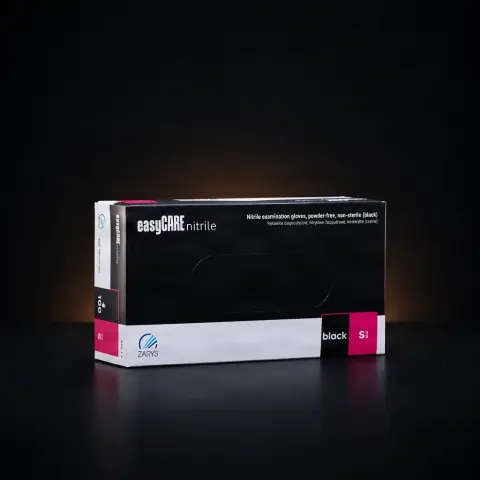
Shared equipment supplied centrally by the studio




How to choose: practical criteria for your studio
- Artist's tenure and portfolio: strong existing client base → booth rent; no portfolio yet → salary or commission.
- Studio stage: a new studio with uncertain revenue benefits from fixed booth rent for cash-flow predictability, but it can scare off strong artists unwilling to take on that risk.
- Number of chairs: past 3-4 artists, manually tracking commission payouts gets unwieldy — consider booking/payout software or switch to booth rent.
- How much brand control you want: a uniform client experience (pricing, hygiene protocol, communication style) points toward salary or tightly-ruled commission; if that matters less, booth rent works.
- Your tolerance for tax risk: if you don't have the time or budget for a properly structured contract, salary removes the ambiguity; rent and commission both need careful legal setup.
| Criterion | Booth rent | Commission | Salary |
|---|---|---|---|
| Who brings in the clients | The artist, with their own client base | The studio (marketing, front desk, booking) | The studio |
| Who sets the price | The artist | Usually the studio, from a house menu | The studio |
| Who buys the consumables | The artist, out of pocket | The studio supplies the base items | The studio, centrally |
| Who absorbs a slow month | The artist — rent is due either way | Both — income scales down with volume | The studio — the wage stays a fixed cost |
| Predictability for the owner | High — rent comes in regardless of volume | Variable, rises and falls with volume | Cost is fixed, revenue isn't |
| Control over the brand | Minimal | High | Full |
| Tax reclassification risk | Moderate — depends how cleanly the contract is structured | Highest of the three | Effectively none — already declared as dependent activity |
| Admin overhead for the owner | Minimal | High (tracking jobs and payouts) | Moderate (payroll, registration, statutory rights) |
| Best fit for | Senior artists with their own portfolio and clients | Artists without their own client base, in a studio that wants control | Junior artists who need stable income |
Hybrid models, in practice
Many studios don't run one single model across the board. It's common to see: booth rent with a guaranteed minimum threshold (the artist pays rent only above a certain revenue level, otherwise a minimum), a small base salary plus commission above a monthly target, or booth rent for senior artists paired with salary for apprentices/juniors. The choice can differ artist by artist within the same studio, as long as each contract is structured to match the relationship it actually describes.
Under Romanian tax law, an activity is treated as independent (suited to booth rent or commission, via sole-proprietor/PFA status) only if it meets at least 4 of 7 criteria — including freedom to choose location, schedule, and method of work, bearing economic risk, and using one's own resources. If those aren't met, tax authorities can reclassify the relationship as dependent activity, and the obligation to pay back taxes, contributions, interest, and penalties falls on the studio (the beneficiary), not the artist. This article is informational, not tax or legal advice — before you sign, work out the final contract, the right business structure (sole proprietor vs. company vs. employment), and the actual percentages/thresholds with an accountant or a labor lawyer.
Browse equipment for every workstation in your studio →
Surse și referințe
- Romanian Tax Code 2026, Art. 7 – Definitions (the 7 criteria for independent activity)
- Avocatnet.ro – "PFA: The seven criteria for identifying independent activity, explained by a specialist"
- Avocatnet.ro – "Reclassifying an independent activity automatically triggers payroll taxes, plus interest and penalties"
- Pop & Asociații (business law firm) – "Employment contract or collaboration with a sole proprietor (PFA)"
- Avocatnet.ro legal forum – practical discussion on renting a chair/station in a salon
Întrebări frecvente
Which of the three models carries the lowest legal risk for the studio?+
Salary under a formal employment contract, because the relationship is already correctly declared as dependent activity — there's no reclassification ambiguity in a tax or labor audit. Booth rent can be just as safe if it's structured correctly (the artist genuinely meets at least 4 of the 7 independent-activity criteria), but it needs careful contract work. Commission is the most exposed, because the owner usually controls schedule, pricing, and which clients get booked.
Can I use different models for different artists in the same studio?+
Yes, that's common practice — senior artists with their own client base on booth rent, junior artists on salary or a low-base commission. What matters is that each contract accurately reflects the real relationship (who controls schedule, pricing, economic risk), not just the label you'd prefer.
Who's liable if tax authorities reclassify a collaboration or rental agreement as dependent activity?+
The obligation to pay back taxes, social contributions, interest, and penalties falls on the beneficiary — meaning the studio/owner, not the artist. That's why the contract needs to be structured correctly from the start, not patched up after an audit.
What commission percentage is typical in the industry?+
There's no fixed legal threshold. In practice, figures between 50% and 70% for the artist come up often, depending on experience, portfolio, and city — these are market conventions, not a binding rule.
Fixed monthly rent or a percentage of revenue?+
Both exist in the market. Fixed rent is more predictable for the owner and reads more clearly as "independent" from a legal standpoint. Rent calculated as a percentage of the artist's revenue starts to resemble commission and can raise reclassification risk if the owner also controls other aspects like schedule, clients, or pricing.
Who buys consumables (needles, gloves, ink) under each model?+
It varies by model and by contract terms. Under clean booth rent, the artist typically buys their own individual consumables as part of operating independently. Under salary, and often under commission, the studio supplies base consumables centrally as part of how the work is organized.