
What to Check on a Used Tattoo Machine Before Buying It
A second-hand tattoo machine can save real money on a tight budget, but mechanical faults never show up in a listing photo. A worn motor, a hairline crack in the casing, or a loose cartridge grip only surface once it's too late to return it. Here's exactly what to test, step by step, before you hand over cash — the technical checklist, not hygiene (that's a separate topic).
A step-by-step practical test — motor sound, voltage response, cartridge grip, casing cracks — so you don't end up with a broken machine after paying for it.
Why the test matters before, not after
With a used machine there's no manufacturer warranty, and usually no return policy once you've walked away with it. Sellers are often honest but simply used to their own machine's quirks — a slight needle wobble or a slightly louder motor stops registering after months of use. The test below takes 10-15 minutes and tells you whether the machine is worth the asking price or whether you're buying something that'll die in a few sessions.
Visual check (the first 2 minutes)
- Casing: look for hairline cracks around the screws, at the base of the grip, and near the motor housing — plastic or resin bodies that are already cracked will fail under the constant pressure of tattooing
- Grip tube: check the threading, look for corrosion, and feel for play between the grip and the machine body — even a small gap here shows up as unstable lines
- Cable and connector (RCA or clip cord): look for exposed wire, cracked insulation, or a connector that moves loosely in the jack
- Screws: missing screws or ones replaced with a mismatched size mean the machine has been opened up or repaired — ask why
The motor sound test
Connect the machine to a working power supply and run it at minimum voltage with no cartridge loaded. A healthy motor produces a near-constant hum, with no grinding, clicking, or pitch changes. Get your ear a few centimeters away — any intermittent metallic sound or a scraping noise that comes and goes points to worn bearings or a motor close to failing.
If the machine fails the test, browse new options
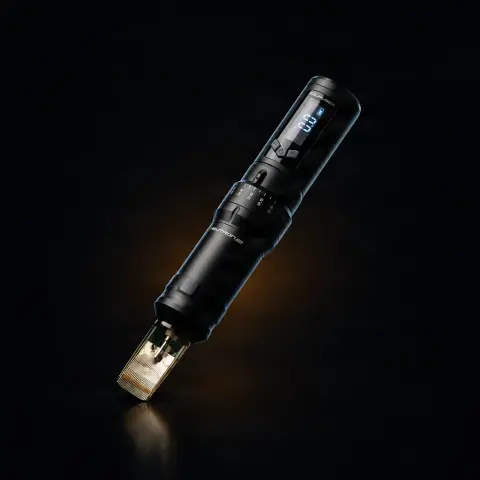
The voltage test — from minimum to maximum
- Set the power supply to the machine's minimum recommended voltage (usually around 5-6V for rotaries)
- Increase gradually toward maximum (8-10V, depending on the model) and listen for any stuttering or loss of speed
- Bring it back down to minimum — the motor should respond almost instantly, with no noticeable lag
- Repeat the cycle 2-3 times: a machine in good condition behaves identically every time, not slightly different on the second or third try
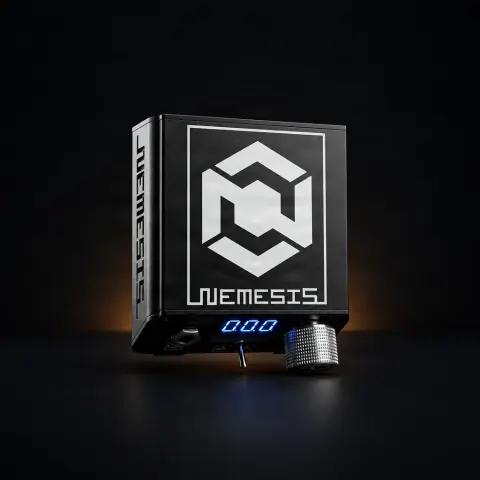
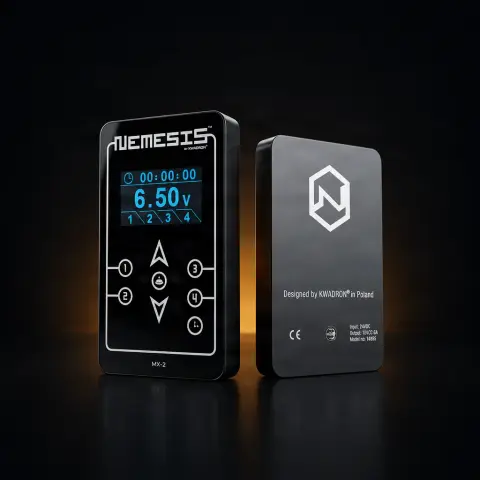
Power supply for the test
Cartridge lock and needle play
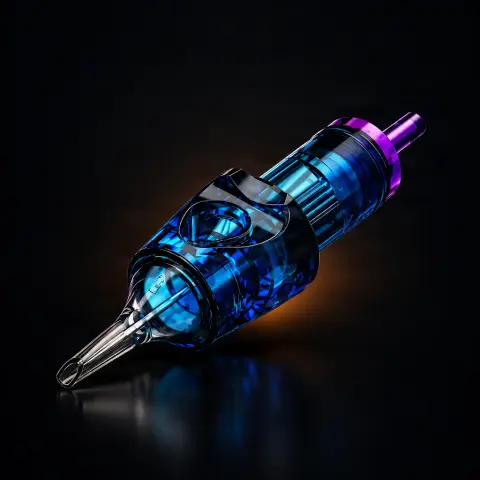
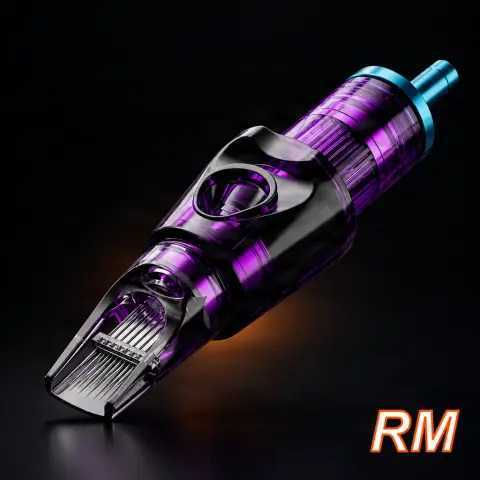
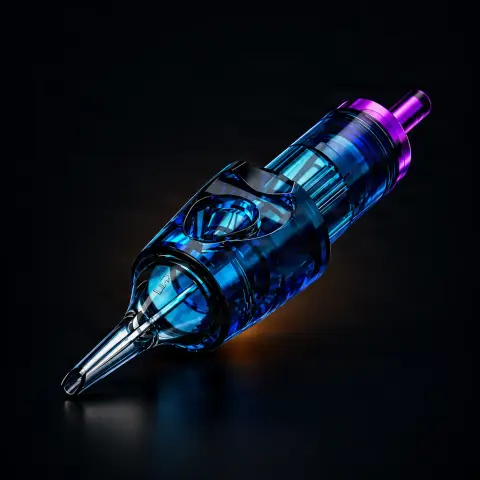
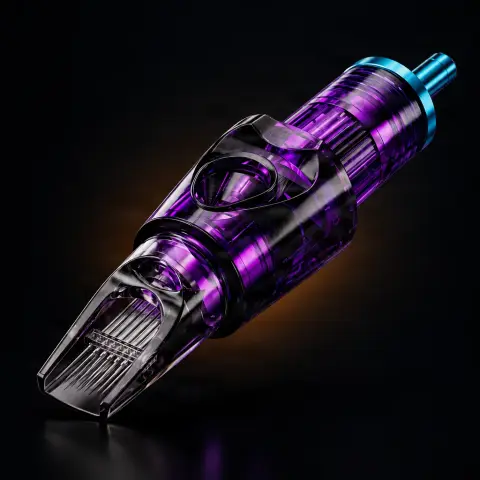
Load a cartridge (a new, unused one, just for this test) and check that it clicks in firmly with no side-to-side movement. Run the machine briefly and watch the needle at the cartridge tip — the needle bar should move in a straight line, without catching or jumping at the end of its stroke. Any visible lateral play in the grip mechanism means inconsistent lines on skin, no matter how good the rest of the machine is.
Cartridges for the lock test
The vibration and heat test
Run the machine continuously for 3-5 minutes at your usual working voltage, not at minimum. Excessive vibration, felt as an uneven tremor in your hand, points to worn bearings or a poorly balanced motor. At the same time, touch the casing near the motor — it should get mildly warm, not hot. A machine that heats up quickly after a few minutes of continuous use either has a motor underpowered for its class or an internal electrical fault.
Counterfeit versions of well-known brands, built around a weak motor labeled as "premium" or "titanium," tend to overheat fast and show visible needle play within the first few minutes. If the seller claims a known brand, ask to see a serial number or any proof of authenticity before you pay.
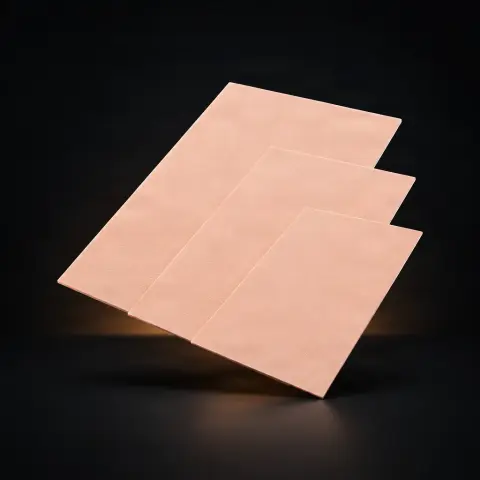
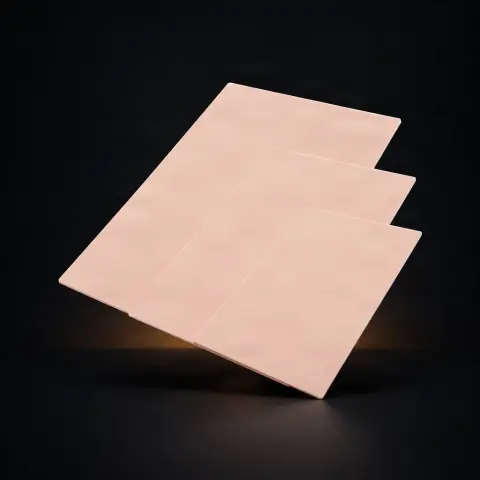
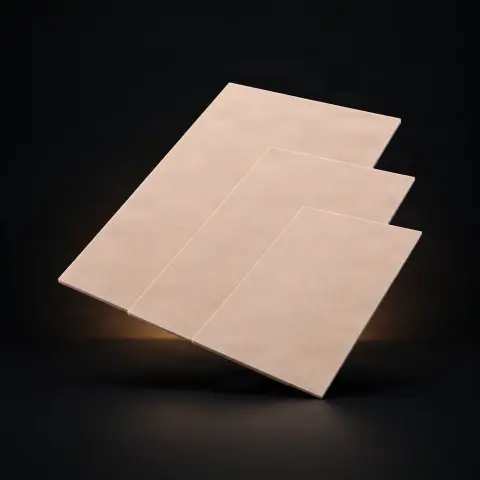
The final test on practice skin
- Load a fresh, sterilized cartridge set aside just for this test
- Draw straight lines at minimum voltage, then at maximum voltage, on the same patch of skin
- Check that the line depth stays consistent along its full length, with no spots where it fades or suddenly thickens
- If the machine is versatile (a rotary with adjustable stroke), also test shading — the transition between lining and shading should be predictable
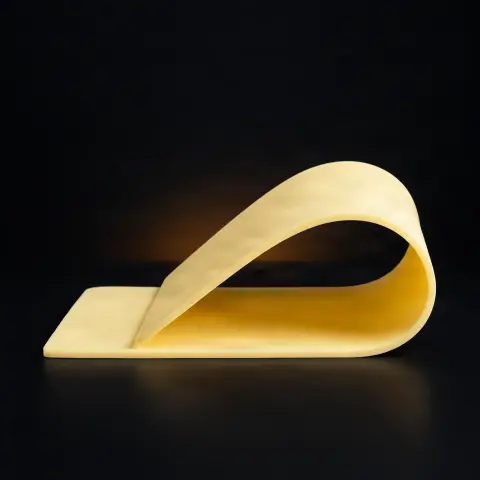
Practice skin for the final test
What a used machine is actually worth
There's no fixed figure that applies across models, but a few sanity checks help: ask the seller how many hours or sessions they estimate the machine has been used for, compare the asking price to the price of the same machine new from a store with a warranty, and be wary if the gap is too large for a machine described as "like new" — either something is being left unsaid, or it isn't genuine. A machine that passes every test above, priced 30-50% below its new equivalent, is usually a fair deal for someone starting out on a budget.
Întrebări frecvente
How much should a good used machine cost for a beginner?+
It depends on the brand and model, but the practical benchmark is comparing it to the same machine new: a 30-50% discount is reasonable for a used machine in good shape. A price much lower than that is a red flag, not a bargain.
Can I test the machine in the air only, without practice skin?+
Testing in the air (sound, voltage, vibration) tells you whether the motor and mechanism work correctly, but it says nothing about line quality. The practice-skin test is the only one that confirms the machine tattoos consistently, so don't skip it if the seller allows it.
What does it mean if the machine heats up fast during the vibration test?+
It usually means either the motor is underpowered for how hard it's being pushed, or there's an internal electrical issue (damaged windings, a weak contact). Either way, the machine's remaining useful life is shorter than it should be.
Is it fine to buy a used coil machine instead of a rotary as a beginner?+
Yes, but the sound and voltage tests matter even more — detuned coils or burnt contacts produce a distinctive irregular buzzing sound that's easy to catch if you listen closely during the tests above.
How do I spot a counterfeit (clone) machine when buying used?+
Typical signs are: noticeably lighter weight than the genuine model, a motor that overheats quickly, visible needle play within the first few minutes, and no serial number or proof of authenticity from the seller. Ask for all of it before you pay.
What if the seller won't let me test the machine before buying?+
Refusing a test is a serious red flag. A machine in good condition passes the checks above in a few minutes, and an honest seller has no reason to stop you — if they insist you buy "on trust," it's safer to look for another machine.