
PFA or SRL for Tattoo Artists: When It's Time to Register a Company with Employees
If you're tattooing as a PFA (Romanian sole trader) and your turnover keeps growing, at some point the taxes and the personal risk end up costing more than registering an SRL. Here are the real 2026 tax thresholds — the VAT ceiling, the microenterprise ceiling, PFA social contributions — and the concrete moments (staff, liability, volume) where switching to a company actually pays off. The figures below apply for 2026; always confirm them with an accountant before deciding, since they change almost every year through emergency ordinances.
The real 2026 thresholds where a sole-trader (PFA) tattoo business starts costing more — in tax and personal liability — than running an SRL with staff, and the concrete moments to make the switch.
PFA vs SRL: the difference that actually matters
Both let you tattoo legally in Romania. The real difference isn't the paperwork at setup — it's what happens when a client files a complaint, when you want to hire someone, or when your income crosses a specific threshold: who's personally on the hook, and how much extra you owe the state for every leu earned past that point.
As a PFA, you're personally liable with your entire estate — house, car, savings — for the business's debts. As an SRL, shareholders are liable, in principle, only up to the subscribed share capital (minimum 200 lei); personal assets are shielded, except in cases of fraud, asset commingling, or serious breach of legal obligations, where a court can hold the administrator personally liable.
The 2026 thresholds that change the math
Three numbers matter directly for the PFA vs SRL call in 2026:
- VAT exemption threshold — 395,000 lei/year (≈€80,000), the same for both PFA and SRL. Above it, VAT registration is mandatory regardless of legal form.
- Microenterprise threshold for SRL — €100,000 in annual turnover, calculated at the National Bank exchange rate from December 31 of the prior year. Below it, you can pay 1% tax on turnover instead of 16% on profit.
- Condition for the 1% rate — the SRL must have at least one full-time employee (or, under certain conditions, a management/mandate contract with the administrator); without one, taxation automatically switches to 16% on profit.
The VAT threshold rose from 300,000 to 395,000 lei in September 2025, and the microenterprise threshold dropped from €250,000 to €100,000 for 2026, with the 3% rate eliminated entirely. Changes like this happen nearly annually — confirm current figures with an accountant before deciding, especially if you're close to a threshold.
What a PFA costs you as income grows
Under the real-income system, a PFA pays a 10% income tax (on gross revenue minus deductible expenses) plus social contributions that scale in steps tied to the national minimum wage (4,050 lei at the start of 2026):
- CASS (health insurance) — 10% of net income, with a minimum base of 6 minimum wages (~24,300 lei) and a maximum cap of 72 minimum wages (~291,600 lei) — raised from 60 to 72 minimum wages for 2026.
- CAS (pension) — not mandatory if annual net income is below 12 minimum wages (~48,600 lei); above that, CAS is owed at 25%, with the calculation base doubling once net income passes 24 minimum wages (~97,200 lei).
- Income tax — 10% on net income remaining after deducting the CAS and CASS actually paid.
In practice, at higher net incomes a PFA ends up paying tax, CAS, and CASS all at once — a combined burden that, past a certain point, clearly exceeds the 1% turnover tax of a micro SRL, even after accounting for the separate 8% dividend tax an SRL owner pays when withdrawing profit.
SRL with employees: what the 1% tax actually means
An SRL classified as a microenterprise pays 1% of turnover, not profit — so no matter how high your equipment costs, studio rent, or payroll are, the tax base stays the same. The difference from PFA: remaining profit can be reinvested in the company without immediate extra tax, or distributed as dividends, in which case a separate 8% dividend tax applies.
The mandatory condition for the 1% rate: at least one full-time employee. If you lose that employee and don't replace them within the legal deadline, the company automatically switches to 16% profit tax.
Protective gear for every new station
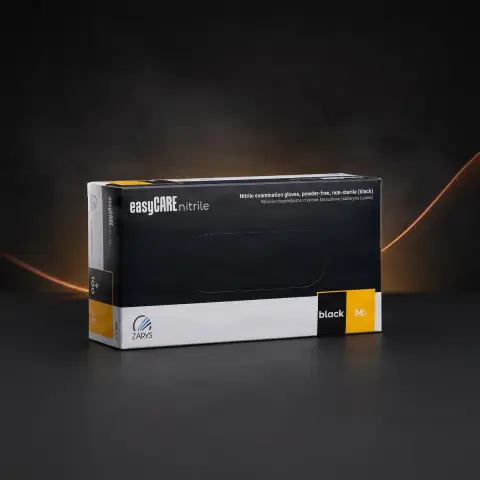
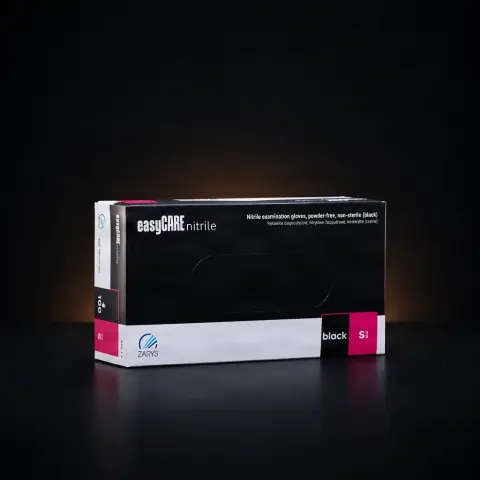


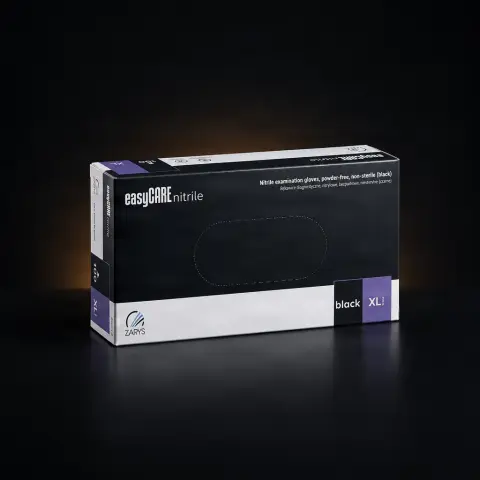
The limit most PFA tattoo artists don't know about: 3 employees, max
A PFA can hire, under individual employment contracts, no more than 3 people (Article 17 of Emergency Ordinance 44/2008). If the plan is a studio with 4-5 employed artists plus front desk, PFA stops being a legal option entirely — regardless of income or taxes, you need an SRL (or another legal form with distinct legal personality).
The concrete moments when switching to SRL pays off
- You want to hire more than 3 people under employment contracts — legally, PFA doesn't allow it; you need an SRL.
- Your annual net income consistently passes the 24-minimum-wage threshold (~97,200 lei in 2026) — at this level, combined CAS and CASS on a PFA start weighing noticeably more than the 1% turnover tax of a micro SRL with an employee.
- Your turnover is approaching the 395,000-lei VAT threshold — you'll need to handle VAT registration either way, so it's a good point to reassess your legal form too, not just VAT.
- Professional risk is rising — more stations, more staff, more simultaneous clients mean more chances of complaints or incidents (allergic reactions, infections). The SRL's limited liability keeps your house and savings out of a business dispute.
- You want a partner or co-founder — PFA is strictly individual; SRL allows shareholders and a clear split of ownership shares.
- You need a bank loan or lease for equipment or a space — banks and leasing providers assess an SRL with financial statements differently than a PFA.
How the switch actually works
- You register a new SRL with the Trade Registry (the PFA doesn't "convert" — they're separate entities); the PFA can stay active alongside it or be deregistered, depending on your plan.
- You need a new sanitary operating authorization for the company — the one issued to your PFA doesn't transfer automatically, because it's tied to the legal entity, not the person.
- You transfer or renew supplier contracts, the studio lease, and, if applicable, contracts with other tattoo artists working at the studio.
- You notify clients with active bookings about the change in billing details, especially if you issue invoices for higher-value work (large projects, multi-session pieces).
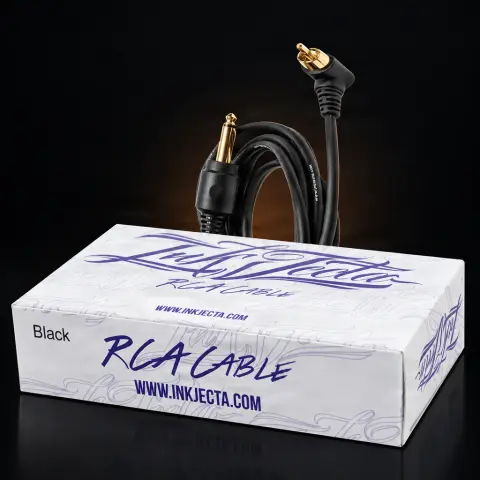
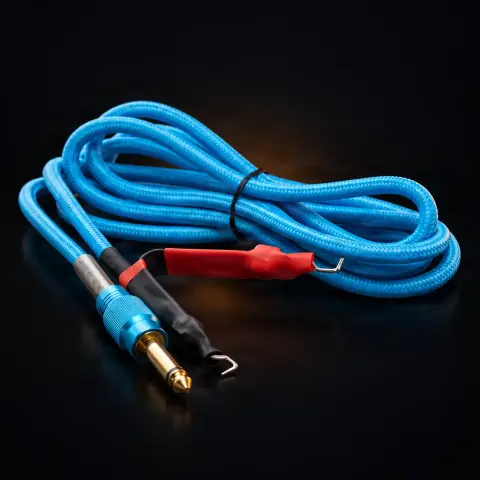
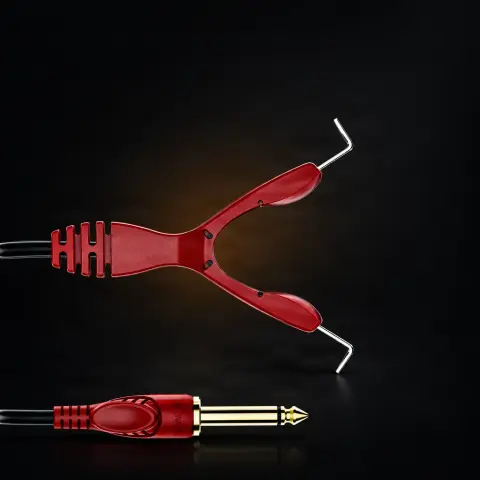
- You equip new stations according to headcount — every employed artist needs their own base kit, not shared equipment.
Sterilization for a multi-artist studio
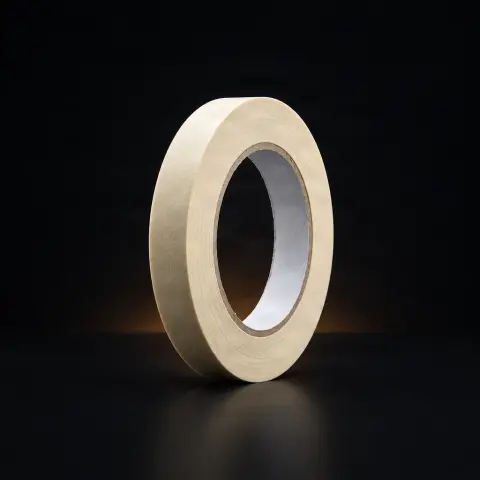





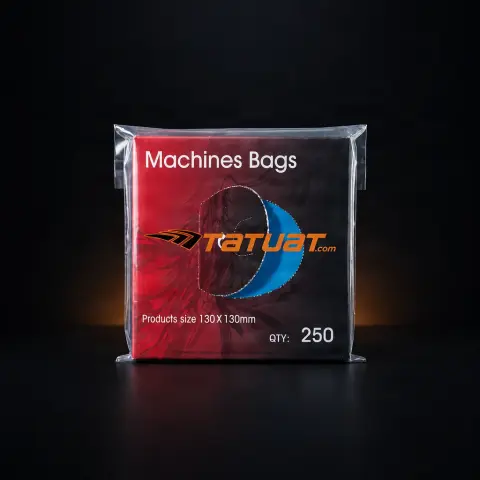
Protective consumables for every new hire


Browse equipment for outfitting a multi-station studio →
Surse și referințe
- ANAF Cluj — VAT exemption threshold raised from 300,000 to 395,000 lei
- Romanian Ministry of Finance — Fiscal support for small businesses, 395,000-lei VAT threshold
- StartupCafe — Microenterprises in 2026: conditions, rules, deadlines (ANAF-referenced)
- Lege5 — Legal regime of PFA, Emergency Ordinance 44/2008 (updated 2026)
- Fiscalitatea.ro — PFAs can have at most 3 own employees, employer obligations
- Folositor.ro — PFA CAS and CASS payments 2026: thresholds and deadlines
Întrebări frecvente
Can I keep both a PFA and an SRL at the same time?+
Yes. There's no legal ban — you can keep the PFA active (for example, for small side income) while running an SRL with employees in parallel. Many tattoo artists transition gradually: they open the SRL, move larger clients and hiring over to the company, then decide whether keeping the PFA active still makes sense.
Does an SRL always pay less tax than a PFA?+
Not automatically. At low income levels, a PFA can be simpler and even cheaper, since you're not required to have an employee and don't pay for separate company accounting. The SRL advantage becomes clear once net income passes the PFA's high CAS/CASS thresholds (roughly 97,200 lei net/year in 2026) or once you actually need employees.
Do I need a new sanitary authorization if I switch from PFA to SRL?+
Yes. The operating authorization is issued to the legal entity (the PFA's or the SRL's tax ID), not to the individual — so it has to be requested again when you set up the SRL, even if the space and equipment stay the same.
How many employees can a PFA legally have?+
A maximum of 3 people, under individual employment contracts, per Article 17 of Emergency Ordinance 44/2008. Beyond that number, the activity can no longer be legally organized as a PFA.
What happens if my SRL loses the employee required for the 1% rate?+
You have a legal deadline to hire a replacement; if you miss it, the company automatically switches to the 16% profit tax, far higher than 1% of turnover. It's worth having a backup plan (such as a management/mandate contract with the administrator) for gaps without an employee.
Do I really need an accountant for this decision?+
Yes, for the final call. The thresholds in this guide apply for 2026 and can change through emergency ordinances — an accountant can calculate the exact impact on your actual numbers (income, deductible expenses, hiring plan) before you register the company.