
Eyeliner Tattoo Complications: What the Case Studies Actually Show
Eyeliner micropigmentation is one of the most requested PMU procedures - and one of the closest to a sensitive structure: the lash line and the glands that keep the eye lubricated. Case reports published in ophthalmology and dermatology journals document real complications, from temporary or permanent eyelash loss to rare but severe corneal infections. This guide walks through what the medical literature actually shows, not what studios promise. It does not replace a medical consultation or a conversation with a licensed technician.
Eyelash loss, dry eye, corneal infections - an evidence-based look at documented permanent eyeliner risks, based on published medical case reports rather than marketing claims.
How often complications actually happen
The largest study on the topic surveyed 1,352 clients who had eyebrow or eyeliner permanent makeup and reported an overall complication rate of 12.1%. Most were expected needle-related reactions - itching at the eyebrow site (8.2%) and swelling of the eyeliner-tattooed skin (13.2%). Local infections, the most severe category tracked, occurred in 0.2% of cases (Tomita et al., 2021).
12.1% is a rate of REPORTED complications - everything from temporary swelling to infection. It doesn't mean 1 in 8 procedures fails badly; it means adverse reactions of some kind aren't rare around the eye area.
Eyelash loss: why it happens
The eyeliner zone sits millimeters from the lash follicles. Case reports published in Ophthalmic Plastic & Reconstructive Surgery describe allergic granulomatous reactions to pigment that lead to chronic inflammation, scarring, lid deformity, and lash loss or misdirection. Risk increases when the needle goes too deep or too close to the lash margin, not just along the free eyelid edge.
Dry eye: the meibomian gland connection
Right along the lid margin - where permanent eyeliner is applied - sit the meibomian glands, responsible for the lipid layer of the tear film. Research cited by Ophthalmology Times shows eyeliner tattooing can cause meibomian gland loss and tear film instability, through direct needle trauma, inflammation that blocks gland ducts, and scarring that restricts meibum flow.
- Persistent foreign-body sensation or stinging
- Excessive tearing (a compensatory response, not real hydration)
- Intermittent blurred vision
- Conjunctival redness that doesn't clear within a few days
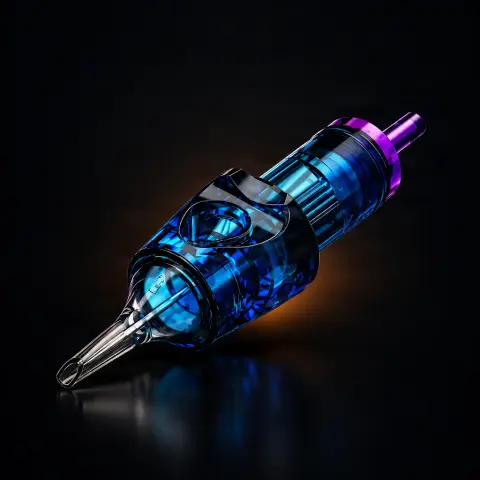
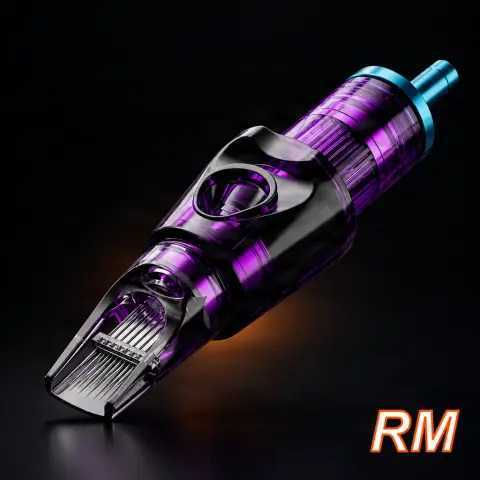
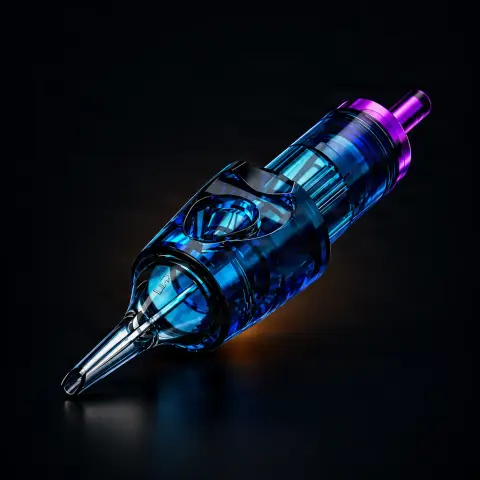
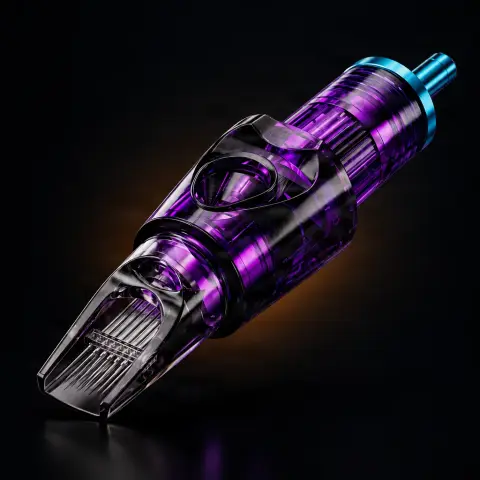
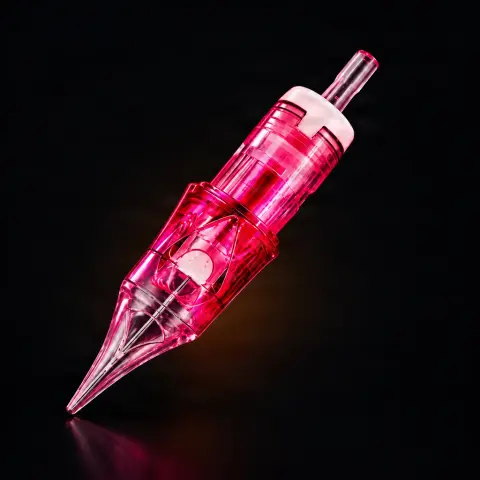
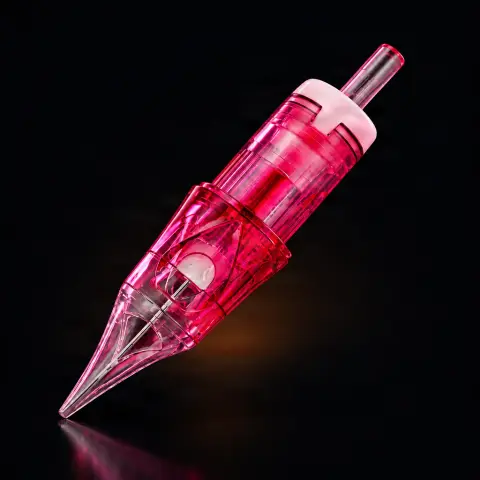
Professional needles for eye-area micropigmentation
Infections and corneal complications: what the case reports show
Beyond local skin infections, the medical literature documents rare but serious corneal complications. One published case describes bilateral diffuse lamellar keratitis triggered by eyeliner tattooing in a patient with prior LASIK, appearing about a week after the procedure. Other reports describe inadvertent corneal pigmentation, when pigment migrates beyond the intended zone. An FDA study of sealed tattoo ink bottles, including some labeled 'sterile,' found potentially dangerous bacteria in unopened containers - an infection source independent of studio hygiene.
Fungal endophthalmitis (an internal eye infection) has been reported following cosmetic eyebrow tattooing in an otherwise healthy patient. These are isolated cases, not common patterns - but they show why hygiene and pigment quality matter as much as technique.
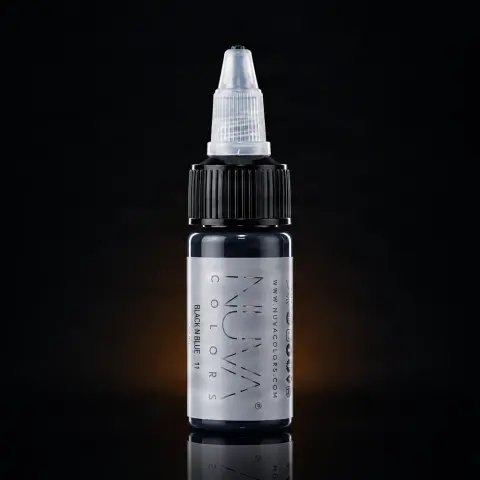
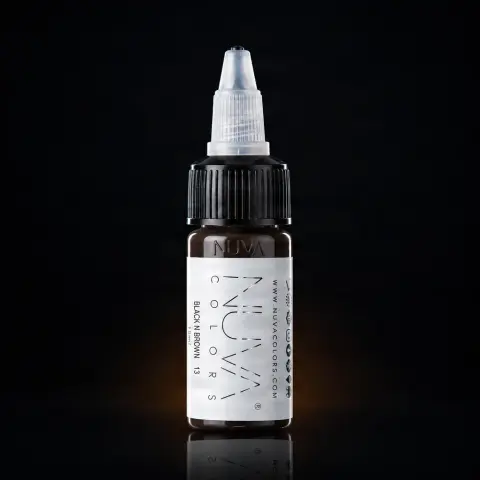
PMU pigments for eyeliner work
Warning signs that need urgent medical attention
- Pain that worsens after 48 hours instead of easing
- Purulent discharge or persistent yellow crusting
- Blurred vision or marked light sensitivity
- Swelling that spreads beyond the eyelid
- Fever or feeling generally unwell
How to lower the risk, if you go ahead with the procedure
- Choose a licensed technician with a verifiable eyeliner portfolio, not just brows
- Confirm needles are single-use and unsealed in front of you
- Check the pigment's source and label - avoid pigments with no clear origin
- Get a patch test beforehand, especially with known allergies
- Disclose pre-existing eye conditions (dry eye syndrome, blepharitis, LASIK, glaucoma) to the technician
- Follow the recommended aftercare and avoid rubbing or over-wetting the area in the first days
This guide summarizes published medical literature. It does not recommend treatment and does not replace evaluation by an ophthalmologist, dermatologist, or licensed PMU technician. If symptoms persist or worsen after a procedure, see a medical provider rather than waiting it out.
Healing aftercare for the eye area



Browse verified professional PMU equipment →
Surse și referințe
- Tomita et al., "Complications of permanent makeup procedures for the eyebrow and eyeline", Medicine (2021)
- "Cosmetic eyeliner tattoo as risk factor for ocular surface disease", Ophthalmology Times
- "Bilateral diffuse lamellar keratitis triggered by permanent eyeliner tattoo treatment: A case report", PMC
- "Adverse Reactions to Permanent Eyeliner Tattoo", Ophthalmic Plastic & Reconstructive Surgery
- "Inadvertent corneal pigmentation following cosmetic blepharopigmentation", PMC
- "The Pros and Cons of Permanent Makeup", Cleveland Clinic
- "Eyelid Tattooing Induces Meibomian Gland Loss and Tear Film Instability"
- "Permanent Makeup Removal Severe Complication — Case Report and Proposal of the Protocol for Its Management", PMC
Întrebări frecvente
Is eyelash loss after eyeliner PMU permanent?+
It can be temporary, recovering over a few months, or permanent, depending on how deeply the follicle was affected and whether chronic inflammation or scarring develops. Published case reports document both outcomes, not just mild cases.
How do I know if my dry eye is caused by permanent eyeliner?+
You can't self-diagnose - dry eye has many possible causes. If symptoms (stinging, gritty sensation, fluctuating vision) appear or worsen a few weeks after the procedure, explicitly mention the eyeliner tattoo to your ophthalmologist, since it can affect diagnosis and treatment.
Is a 0.2% infection rate high or low?+
Statistically it's low, roughly 1 in 500 procedures in the Tomita et al. data, but it isn't zero, and the consequences of an ocular infection can be disproportionately severe compared to an ordinary skin infection. That's why hygiene and pigment quality matter more here than on a standard body tattoo.
What conditions make the procedure riskier?+
Pre-existing dry eye syndrome, blepharitis, allergies to pigments or metals, uncontrolled diabetes, clotting disorders, and recent eye surgery (including LASIK) all increase complication risk and should be explicitly discussed with the technician and, ideally, an ophthalmologist beforehand.
How long after the procedure can serious complications appear?+
It varies. Some inflammatory reactions show up within the first days, but reported cases - such as diffuse lamellar keratitis - have appeared around a week later, while meibomian gland or scarring complications can become evident months or even years after the procedure.