
How to Sleep With a Fresh Tattoo Without Sticking the Film to Your Sheets or Losing Ink
For the first several nights, a fresh tattoo is a wound, not decoration — it can weep plasma, stick to fabric and lose pigment if you roll onto it in your sleep. This guide covers what to put between the tattoo and your sheets, which sleep positions to avoid on back, rib and arm pieces, and the signs that mean you should stop improvising and call a professional.
Sleeping on a tattoo that's still an open wound is how sheets get glued to skin and ink gets pulled out overnight — here's how to protect back, rib and arm pieces through the first nights.
Why the first nights matter most
In the first 4-7 nights after a session, a tattoo is still an open wound: it can ooze plasma and a bit of ink, and the surface layer hasn't sealed yet. Lying full weight on it for hours cuts off airflow, traps heat and moisture against the skin, and adds friction every time you shift position. That combination is exactly what pulls pigment out unevenly and raises infection risk — not the ink itself, but what rubs against it all night.
Treat the sleeping hours like you would after any skin injury: minimize contact, minimize pressure, keep it clean. The visual healing (scabbing, peeling, color settling) takes 2-3 weeks, and that's also roughly when it's safe to sleep on it normally again.
Stopping the sheet from sticking to the tattoo
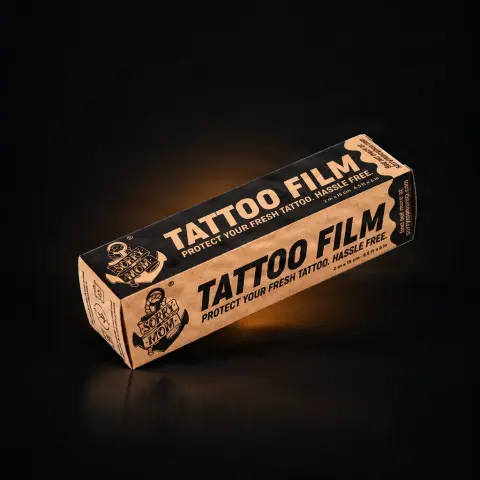
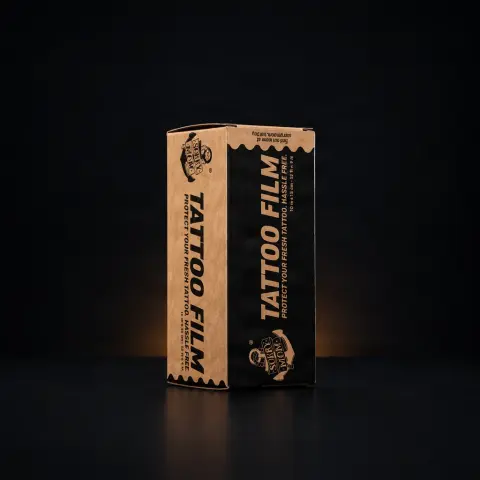
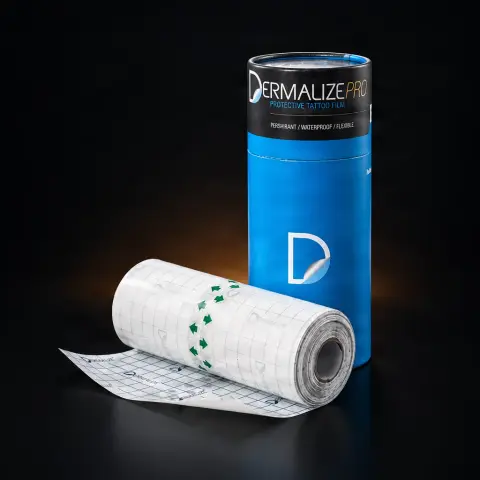
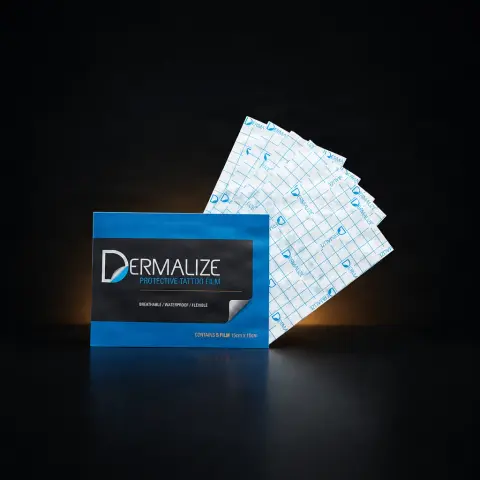
If your artist applied a second-skin film (Saniderm-type adhesive bandage), the fix is simple: leave it on. That's what it's for — it's a barrier between skin and fabric, so nothing can stick in the first place. Most artists leave it on for 24-72 hours and only ask you to remove it early if it lifts at the edges, fills with a lot of fluid, or the skin under it looks irritated.
- Second skin on: don't add plastic wrap, tape or anything extra on top — it needs to breathe as it is.
- No second skin, just ointment: a thin layer of aftercare balm keeps the surface from drying against fabric, but it won't stop direct friction.
- For one or two nights without a film, put a clean, dark, well-washed cotton cloth or an old t-shirt loosely between the tattoo and the sheet instead of taping anything directly to the skin.
- Never tape cling film straight onto unhealed skin overnight — it doesn't breathe and traps moisture, which is worse for healing than leaving the area open.
Second-skin film for fresh tattoos
Sleep positions by placement
The rule is the same everywhere: keep body weight and rubbing off the tattooed area for the first several nights, even if that means an awkward night or two.
- Back piece: sleeping face-down puts your full weight straight onto it. Sleep on your side instead, with a pillow along your back so you don't roll onto it, or sit propped up on pillows for the first night or two if the tattoo is large.
- Rib or side placement: sleep on the opposite side or on your back. A pillow wedged against the tattooed side stops you from rolling into it while you're asleep and can't monitor it.
- Arm or forearm: avoid sleeping on that side or tucking the arm under your body or pillow. Rest it on top of the blanket, slightly elevated on a pillow — elevation also reduces overnight swelling.
- Leg or calf: keep the sheet weight light over it and avoid curling the leg under you; a small pillow between the knees keeps you from pressing that side into the mattress.
Wedging a firm pillow against your back, side or the tattooed arm physically stops you from rolling onto it while unconscious, which no amount of willpower does on its own.
Sheets and bedding that actually help
- Sleep on clean sheets the first night — change them beforehand if it's been more than a couple of days.
- Choose soft, breathable cotton over synthetic fabrics, which trap heat and cling more to healing skin.
- Change sheets again after 1-2 nights while the tattoo is still weeping, to cut down on bacteria building up against it.
- Lay a dark, clean towel over your normal sheet under the tattooed area — it protects the sheet from ink/plasma marks and is easy to swap daily.
- Skip tight elastic waistbands, compression sleeves or snug pajamas that press directly on the tattoo overnight.
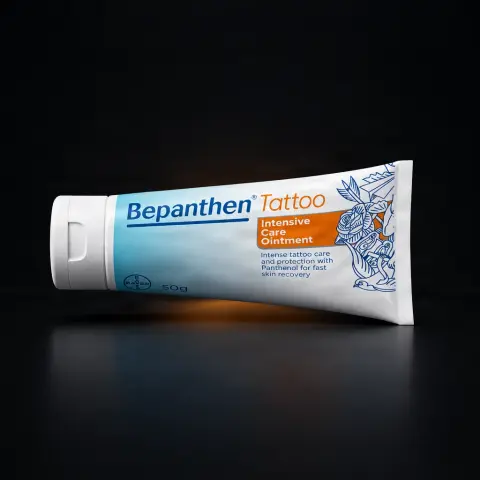
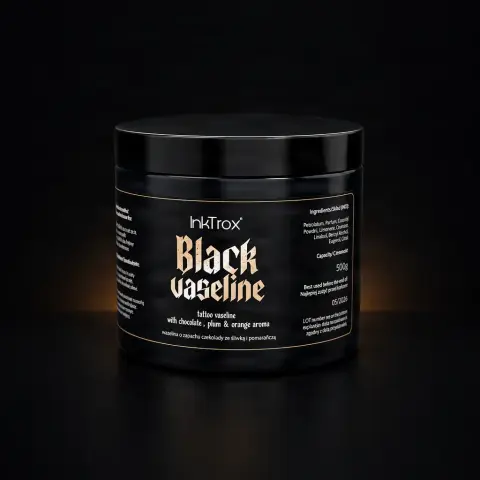
Healing ointment for fresh tattoos
Signs it's more than normal healing
Some redness, warmth, mild swelling and clear fluid in the first 2-3 days are expected. What isn't normal, according to dermatology sources, is an infection pattern: redness that spreads or gets worse instead of fading, increasing rather than decreasing pain, pus or yellow/green discharge, a foul smell, red streaks leading away from the tattoo, or fever and chills.
- Redness or swelling that gets worse after day 3-4 instead of calming down
- Pus, yellow or green discharge, or a strong bad smell
- Red streaks spreading outward from the tattoo
- Fever, chills, or a tattoo area that feels hot to the touch
- The area darkening or becoming more painful over time instead of improving
None of the tips above replace medical judgment. If you notice signs of infection, contact the artist who did the piece and a doctor or dermatologist — don't try to treat it yourself with random creams.
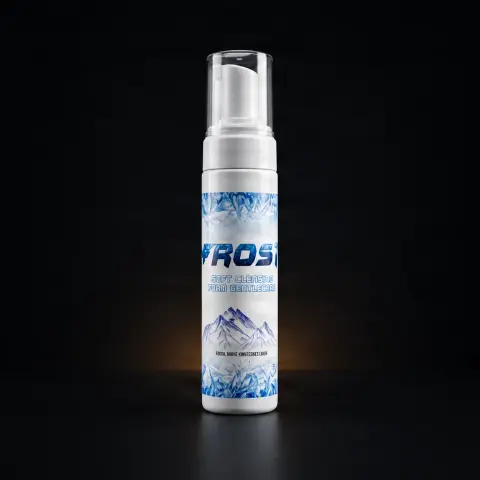
Alcohol-free tattoo cleansing foam
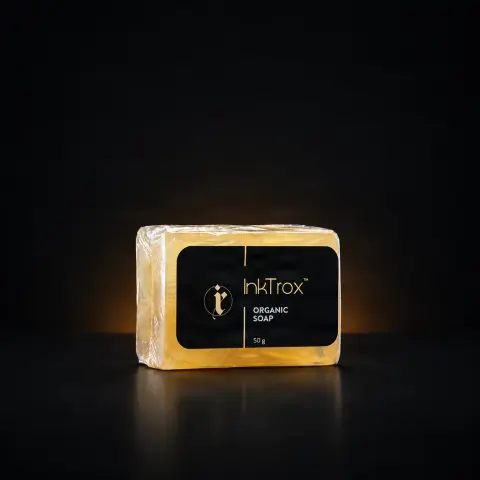
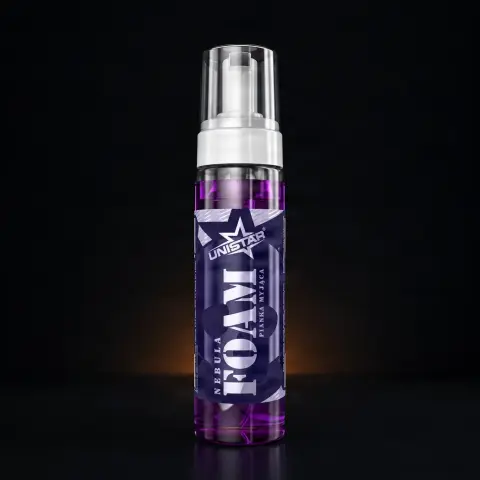
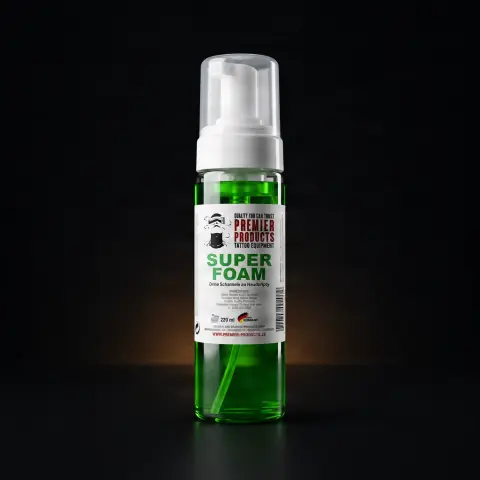
See second-skin film and aftercare products for the first nights →
Surse și referințe
- American Academy of Dermatology — Tattoos and piercings
- American Academy of Dermatology — Tattoos: 7 unexpected skin reactions and what to do about them
- Cleveland Clinic — Tattoo Infection: Signs, Causes, Treatment & Prevention
- European Academy of Dermatology and Venereology (EADV) — Tattoo Aftercare guidance
- Healthline — Everything You Need to Know About Tattoo Aftercare
Întrebări frecvente
How many nights do I actually need to be careful?+
The highest-risk window is the first 4-7 nights, while the surface is still an open wound. Full surface healing takes about 2-3 weeks, and that's roughly when it becomes safe to sleep in any position again.
Can I sleep with the second-skin film on the whole night?+
Yes — that's what it's designed for. Leave it in place unless it lifts at the edges, fills with a lot of fluid, or the skin underneath looks irritated; in any of those cases, remove it and switch to the wash-and-ointment routine your artist gave you.
I don't have second skin — can I just tape plastic wrap on for the night?+
Only as a one-night stopgap, applied loosely, never taped tightly to unhealed skin — it doesn't breathe and can trap moisture against the wound, which slows healing more than it helps.
I woke up and the tattoo stuck slightly to the sheet — did I ruin it?+
A little sticking with minor plasma transfer usually isn't catastrophic. Rinse the area gently with lukewarm water rather than peeling fabric off dry skin, pat dry, and re-apply ointment. Watch the spot over the next few days for patchiness or infection signs.
Is it normal for a lot of ink to come off on the sheet?+
A faint stain from plasma and a trace of ink in the first couple of nights is common and not a sign the tattoo is ruined. A visibly patchy or lightened area afterward is worth mentioning to your artist at the touch-up stage.
When can I go back to my normal sleep position?+
Most sources put full surface healing around 2-3 weeks. If the area is no longer scabbing, oozing or sore to light pressure, normal sleep positions are generally fine — when in doubt, ask the artist who did the piece.