
Cyber Sigilism: The Tattoo Style That Went Viral, and How It's Done
Cyber sigilism moved from niche to mainstream fast, pushed along by social media algorithms. It pairs abstract, glyph-like symbols with sharp lines and an aesthetic that reads like a futuristic interface or a graphic ritual mark. This guide covers where the style came from, the techniques behind it, and how it differs from blackwork and ornamental — useful both for people wanting the style and for artists building it into their portfolio.
Cyber sigilism mixes fine linework, angular glyph-like shapes, and a tech-futurist look into a tattoo style that took off on TikTok and Instagram. Here's where it came from, what techniques define it, and how it differs from blackwork or ornamental.
Where cyber sigilism comes from
The name pairs "sigil" — a condensed symbol historically used in occult practice and chaos magic to visually encode an intention — with "cyber," drawn from cyberpunk visual culture, HUD interfaces, and glitch art. There's no single documented academic origin or credited founder; the style formed organically on social media in the early 2020s and spread fast through real-time process clips (freehand drawing, live linework) on TikTok and Instagram. Because it grew out of the internet rather than a codified tradition, definitions still vary between artists — unlike traditional blackwork or classic ornamental, which follow more established conventions.
The specific technical elements
- Fine linework as the compositional backbone
- Angular, asymmetric shapes drawn from sigils and runes rather than symmetric geometric patterns
- Selective solid black fill combined with negative-space "cutouts" that echo interface elements — brackets, reticles, HUD corners
- Small tech motifs — circuit-like lines, targeting marks, code fragments — worked into otherwise organic curves
- Deliberate contrast between hard, sharp lines and fluid shapes
- Often asymmetric compositions placed on the forearm, calf, collarbone, or back
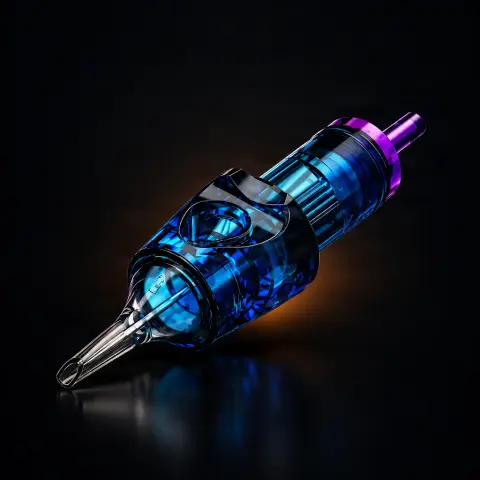
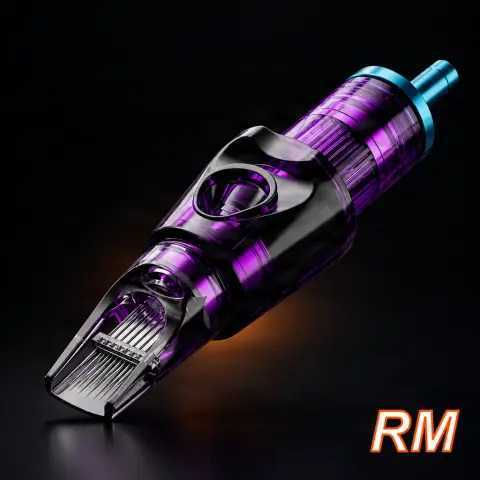
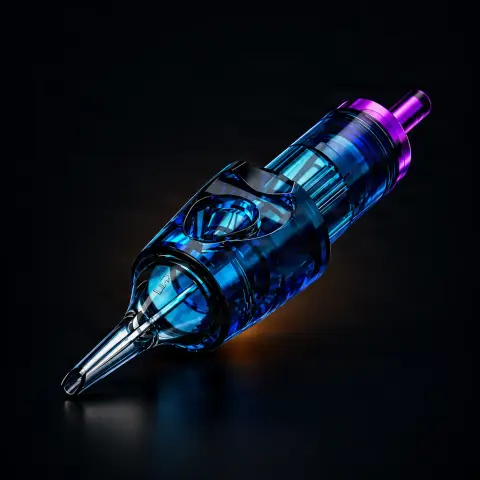
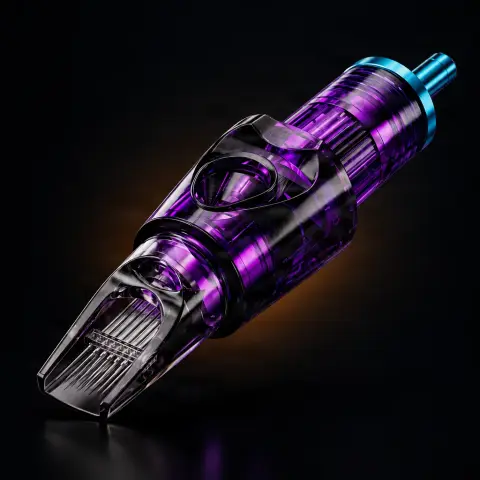
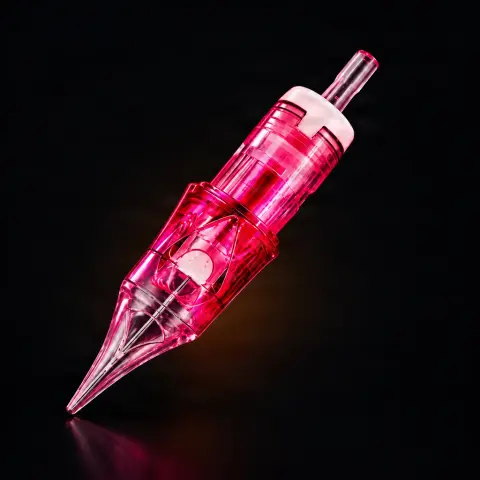
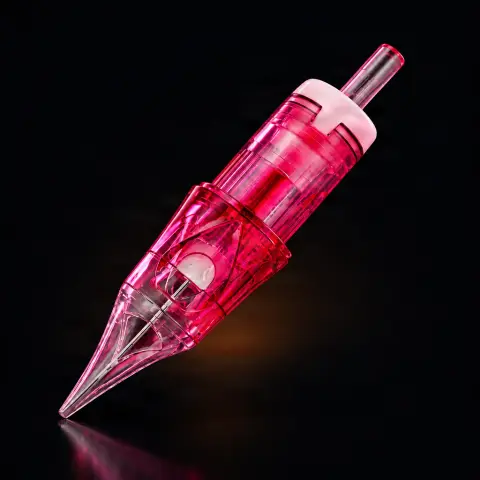
Fine liner equipment
Cyber sigilism vs. blackwork vs. ornamental
- Blackwork: large areas of solid black fill, strong graphic contrast, often rooted in traditional tribal tattooing
- Ornamental: symmetric mandala- or lace-style patterns with fine dotwork and orderly repetition
- Cyber sigilism: asymmetric compositions that combine thin lines with small blackwork patches and tech/glitch visual references — a more "broken" or deconstructed feel than ornamental's flowing symmetry
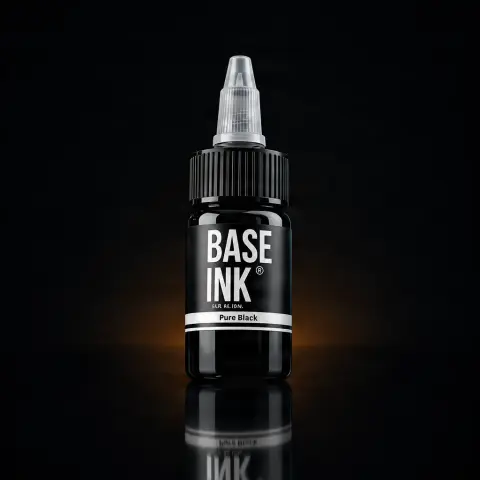
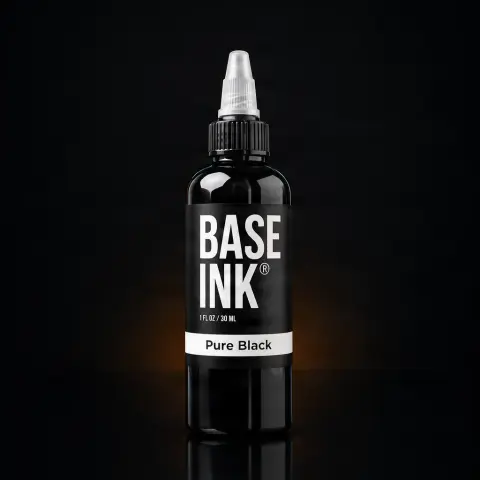
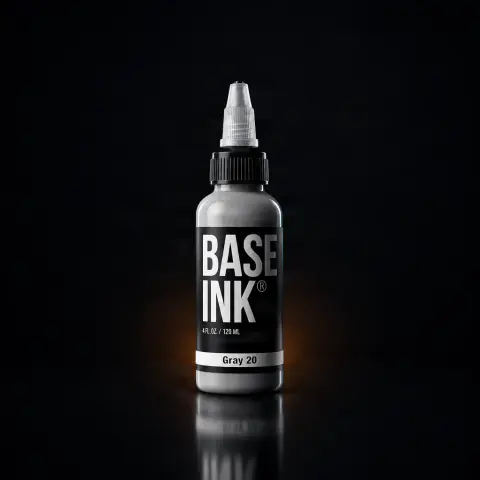
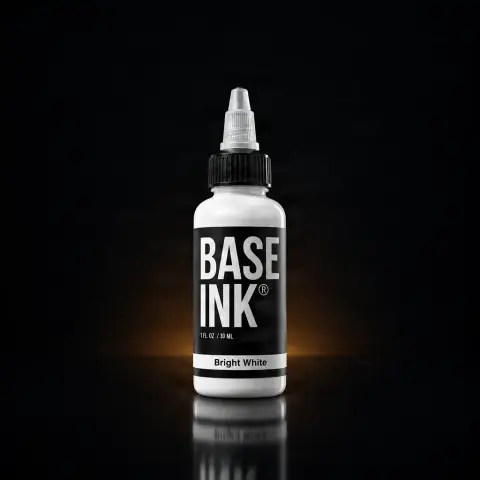
Black ink for clean linework
Why it went viral
Most of the virality comes from process clips — real-time freehand linework is highly watchable content on TikTok and Reels. The style draws a younger audience looking for a visual identity distinct from classic tribal or old school work, and it ties into a broader cyberpunk/Y2K aesthetic revival across fashion and design. It's also easy to personalize — each "sigil" can be built as an individual symbol, feeding demand for one-off, non-repeatable pieces.
What it takes from the artist
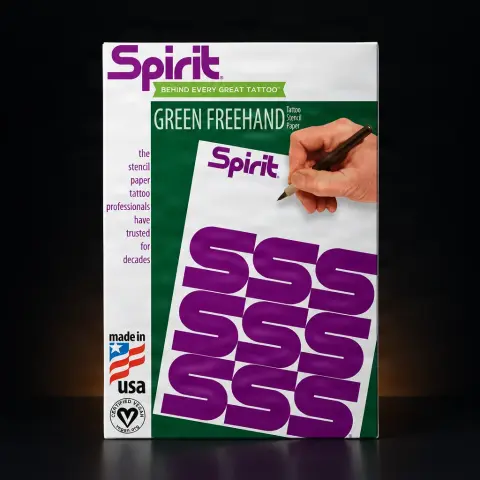
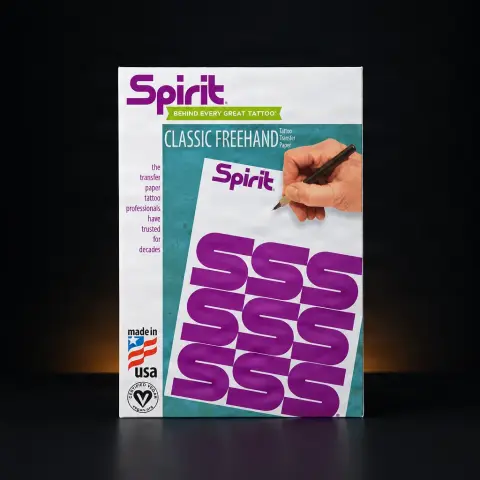
Cyber sigilism calls for either freehand geometric drawing skill or precise digital design converted into a stencil. Line precision matches what fine line tattooing demands, plus control over black saturation in the solid areas and the ability to balance an asymmetric composition without it reading as messy. Many artists build the overall structure from a stencil, then adjust fine details freehand.
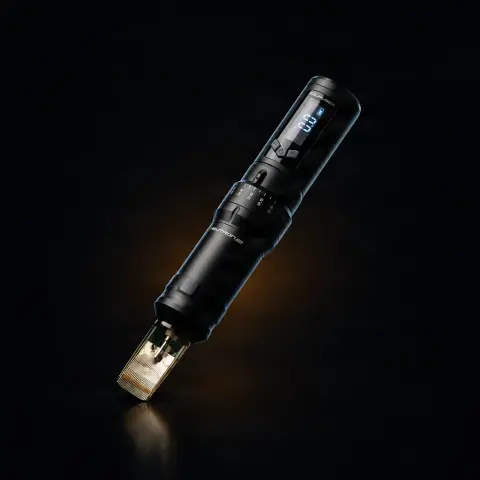
Rotary machines for linework
This style needs specific experience with fine linework and asymmetric composition — check the artist's recent portfolio for similar pieces, not just their general style. As with any tattoo, talk through the chosen area and any skin sensitivities with the artist ahead of time.
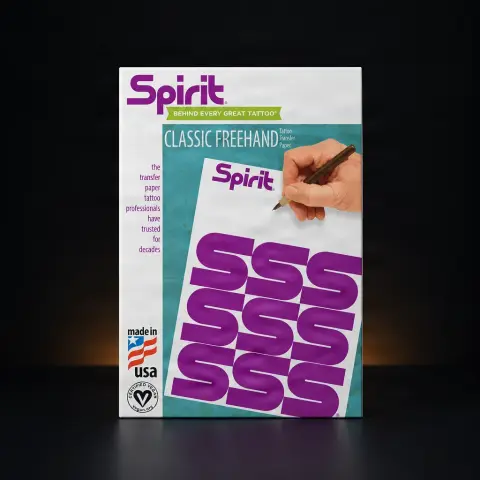
Stencil paper for geometric designs

Întrebări frecvente
What does "sigil" actually mean in cyber sigilism?+
A sigil is a condensed symbol, historically drawn from occult practice and chaos magic, used to visually encode an intention. In cyber sigilism the function is mostly aesthetic rather than ritualistic — the shapes borrow the visual language of sigils without necessarily following any specific occult tradition.
Is cyber sigilism a good choice for a first tattoo?+
It can be, especially as a small design on the forearm or calf. Size, placement, and level of detail should be discussed with the artist based on complexity.
Does it take longer than a classic blackwork piece?+
Depends on complexity. Compositions with many fine lines and small details can need longer sessions or extra touch-up work compared to a solid blackwork area, which covers ground faster.
Can it be combined with other styles?+
Yes, it's often hybridized with fine line, blackwork, or UV ink accents for elements that only show under special light.
How do I pick an artist for this style?+
Look for a recent portfolio with similar pieces, not just generic linework tattoos. Check that fine lines come out consistently clean and that the asymmetric composition looks controlled rather than accidental.
How is it different from tribal?+
Classic tribal uses flowing shapes, wide curves, and continuous solid black, with specific cultural roots. Cyber sigilism keeps some similarly angular shapes but combines them with fine linework and tech visual references, with no connection to tribal traditions.