
Scalp Micropigmentation (SMP) Over FUT or FUE Hair Transplant Scars
A hair transplant scar — a single line from FUT or hundreds of tiny dots from FUE — can be camouflaged with scalp micropigmentation, but not erased. The technique, session count, and realistic outcome differ sharply between the two scar types. Here's what actually changes depending on which one you have.
How SMP camouflages the linear FUT strip scar versus the dot-pattern FUE scars — realistic session counts, technical limits, and who isn't a candidate.
What SMP does differently on scar tissue
SMP deposits pigment in the upper dermis as tiny individual dots that visually mimic a shaved hair follicle. On a scar, the technique adapts: the needle works at a different depth and angle than on normal scalp skin, because scar tissue is denser, less vascularized, and holds pigment unevenly. The result isn't a solid block of ink — it's a variable-density dot pattern engineered to disappear into the surrounding hair rather than stand out.
FUT vs FUE — different scars, different technique
An FUT (strip) scar is one continuous line left after a strip of donor skin is removed and sutured. An FUE scar is made up of hundreds or thousands of tiny circular marks, one per individually extracted follicle. That shape difference directly changes the SMP work plan.
- A continuous line, but width and texture vary along its length — one section can be fine, another wide or slightly raised
- Wide or stretched sections absorb pigment unevenly, so dot density has to be adjusted segment by segment
- Wide or irregular scars may need microneedling before SMP to improve the surface and pigment uptake
- A dot pattern that already resembles a micropigmented follicle, so it blends more naturally into the surrounding SMP design
- Texture is usually more uniform across the whole donor strip than an FUT scar
- Full camouflage generally means working the entire donor area, not just the individual dots, so the new pigment doesn't stand out next to the old marks
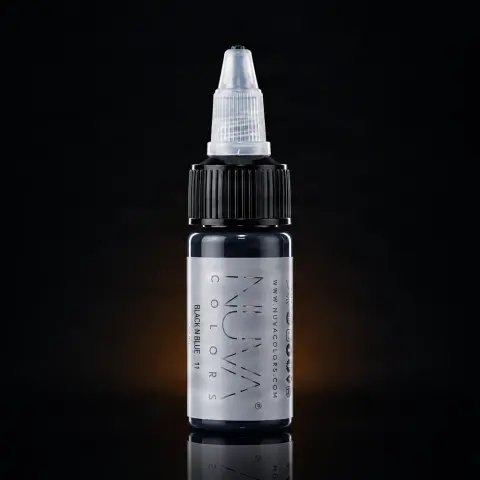
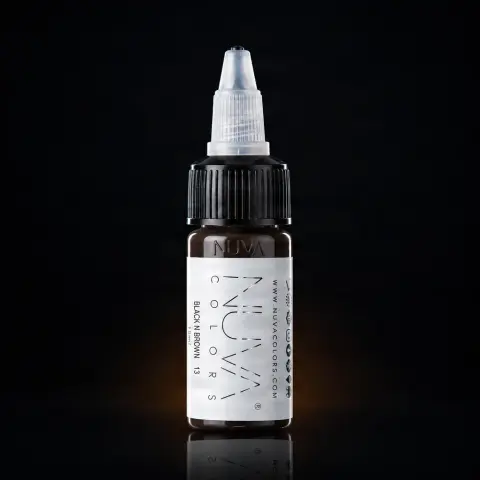
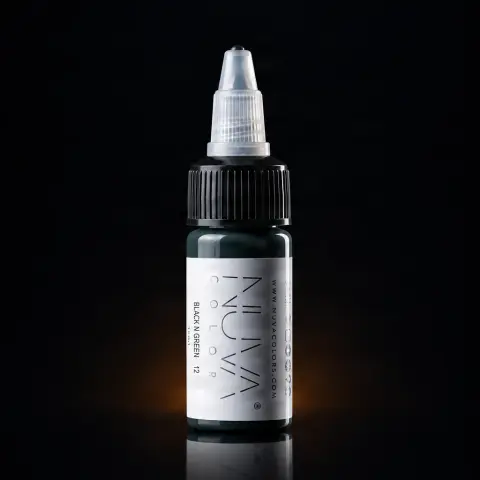
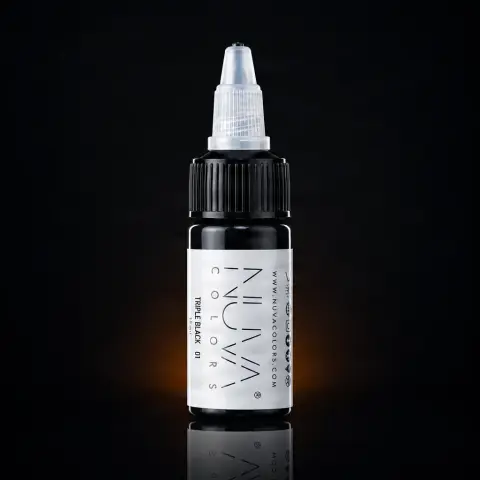
Scalp pigments for SMP
Sessions for an FUT (linear) scar
- Session 1 — density test on a section of the scar, checking how the scar tissue holds pigment compared with the surrounding skin
- Session 2, at 7-14 days — full-length consolidation, correcting spots where pigment was rejected or faded unevenly
- Session 3 (if needed), at 4-6 weeks — touch-up on wide or irregular segments, which usually need an extra pass
- Wide scars, multiple donor strips, or heavily stretched skin can require a 4th session
Sessions for an FUE (dot-pattern) scar
- Session 1 — pigment is placed both on the scar dots and on the surrounding area, so no visible outline is left
- Session 2, at 7-14 days — density is filled in and tone is evened out across the whole donor zone
- Session 3 (if needed) — usually just a spot touch-up where certain areas held less pigment
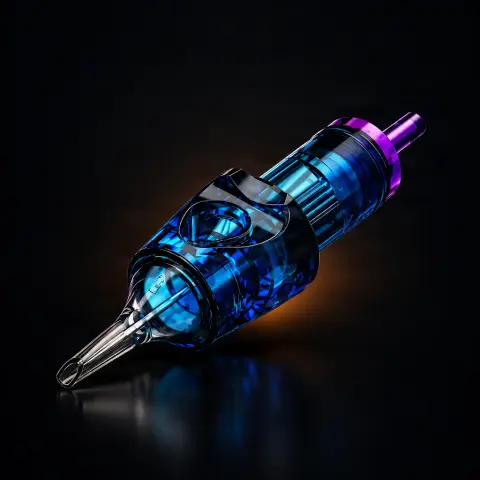
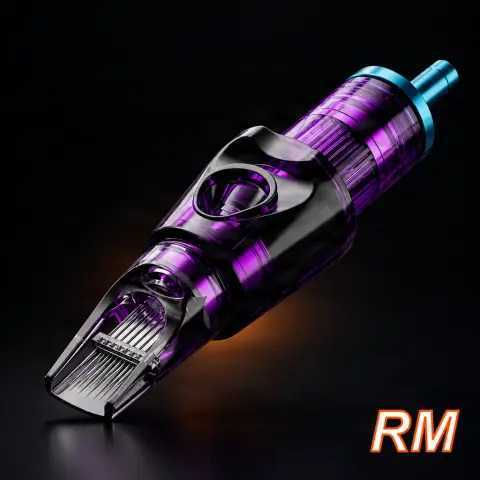
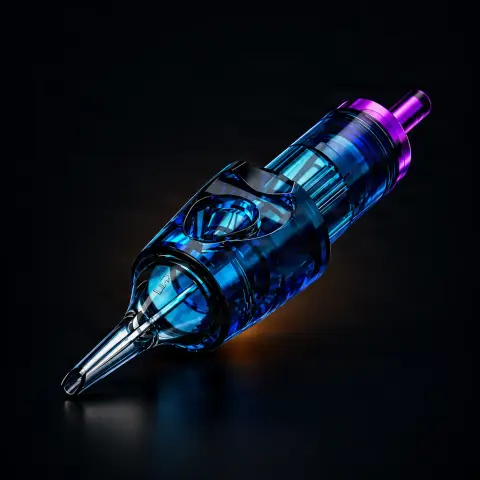
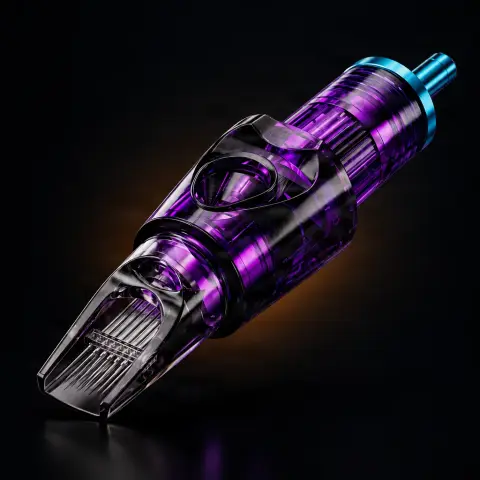
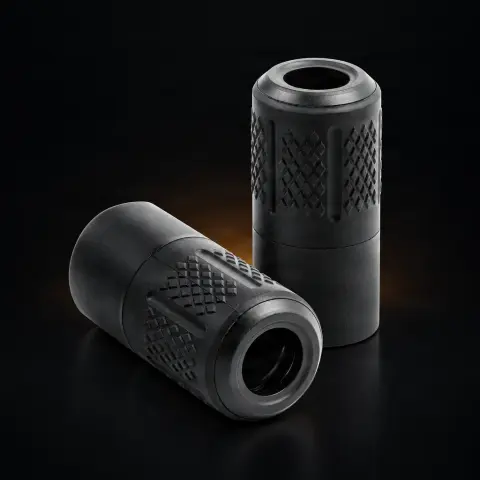
PMU/SMP needle cartridges
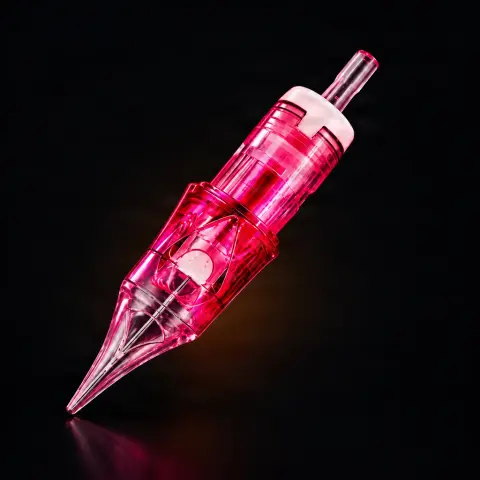
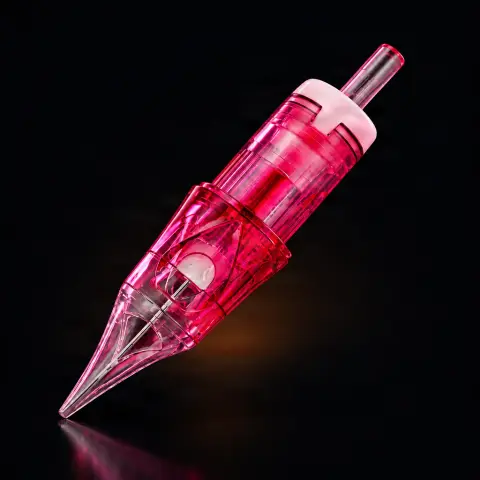
SMP reduces scar visibility, it doesn't erase it. On narrow, flat FUT scars with skin tone close to the surrounding area, camouflage can reach roughly 75-90%. On flat, uniform FUE scars, the realistic ceiling is around 85%. Wide, raised, discolored (hypo- or hyperpigmented), or irregularly textured scars give weaker results and need extra touch-up sessions. No serious technician promises guaranteed 100% concealment — that gets discussed before the first session.
How long you have to wait after surgery
SMP on a transplant scar is only done once the tissue has fully matured, not once the surface has closed. The accepted minimum is 6 months post-surgery, and most technicians recommend 9-12 months. The reason: in the early months, cells still active in the healing process reject or shift pigment, producing uneven results or pigment that disappears within a few months. A scar under 12 months old is still considered to be remodeling.
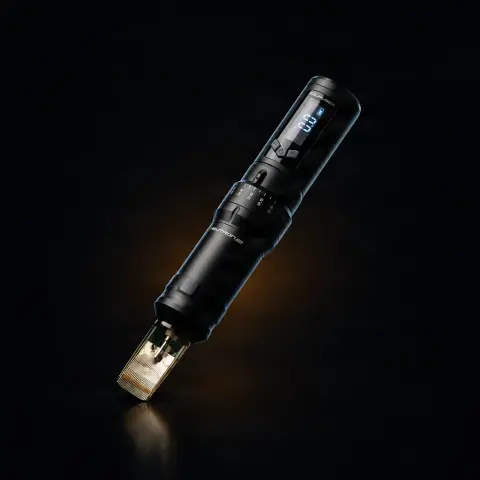
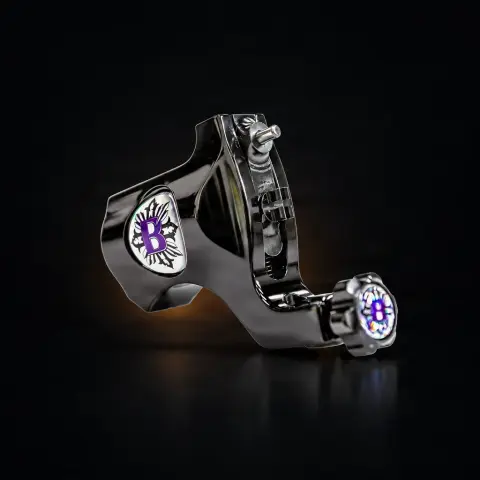
PMU machines for SMP
Who isn't a candidate, or should wait
- People prone to keloids — SMP can trigger keloid formation on a scar, this is the single most important contraindication
- A scar younger than 6 months, or one that's still inflamed, red, or sensitive to the touch
- Scalp with an active infection, dermatitis, or another untreated dermatological condition in the work area
- Anticoagulant therapy or other medication that raises bleeding risk — discuss with a physician first, excess bleeding affects pigment placement accuracy
- Very wide or already-formed keloid scars — these need a dermatological evaluation, not just SMP
Aftercare for micropigmentation

Bottom line
Pigment behaves differently in scar tissue than in normal scalp skin — it can fade faster and needs more frequent touch-ups. Before any session on a transplant scar, get an assessment from an SMP technician with specific scar experience (not just general scalp work), and if the scar shows inflammation, abnormal texture, or a keloid history, see a dermatologist or the surgeon who performed the transplant first. This guide is informational and doesn't replace a professional consultation.
See scalp micropigmentation products →
Surse și referințe
Întrebări frecvente
How soon after a transplant can I get SMP on the scar?+
At least 6 months, and most technicians recommend 9-12 months. Earlier than that, the scar is still remodeling and pigment gets rejected or shifts unevenly.
Does SMP cover the scar 100%?+
No. On narrow, flat, well color-matched scars the realistic range is about 75-90% for FUT and up to roughly 85% for FUE. Wide, raised, or discolored scars do worse.
Is SMP more painful on a scar than on regular scalp skin?+
It varies — scar tissue can be less sensitive in some spots and more in others because nerve endings are disrupted. Numbing options exist; ask your technician before the session.
How long does the result last on scar tissue?+
Regular SMP typically lasts several years, but pigment in scar tissue tends to fade faster and less predictably, so touch-ups are usually needed more often than on normal scalp skin.
Can I combine SMP with a new transplant over the same scar?+
Yes, but it needs to be planned with the surgeon — the sequence and timing of SMP versus a new procedure over the same area affects both the graft survival and the pigment result.