
Can You Mix Two Tattoo Styles in One Piece?
You already have ink and want your next piece in a different style, placed near the first one. It's doable, but the outcome hinges on one technical choice: do you blend the two styles into a single design, or keep them as separate pieces sitting side by side? This guide breaks down that choice and which combinations hold up years later, not just on the day of the session.
The difference between blending styles into a single design and placing them side by side — which combinations age well and which ones tend to clash.
Mixing by design vs. mixing by proximity
Mixing by design means the artist deliberately merges two styles into one composition — dotwork shading inside a neo-traditional outline, or geometric linework framing an illustrative portrait. Both styles share the same canvas, the same line-weight decisions, the same ink logic, executed as a single coherent piece.
Mixing by proximity means two separate tattoos, each fully committed to its own style, placed near each other on the body (same arm, side by side on the back) without visually or technically touching. They coexist without merging.
Why the distinction matters: mixing by design needs planning from the very first sketch — line weight, color palette, negative space — so the two styles read as one visual language. Mixing by proximity is more forgiving since each piece stands on its own, but still needs attention to flow so the pieces don't look like an accidental collage.
Combinations that work
- Blackwork + dotwork — same tool logic (solid black fill plus stippled gradients), blends naturally by design.
- Neo-traditional + fine-line illustrative — bold neo-trad outlines can frame a lighter illustrative center, as long as line weight is planned from the start.
- Geometric + fine line — a natural pairing, both built on precise, deliberate linework.
- American traditional + Japanese traditional (Irezumi) kept separate on the same sleeve, by proximity — both bold, saturated colors, thick lines, so the palettes match even when the subject matter differs.
- Realism + blackwork accents (solid black background around a realistic portrait) — works by design because the blackwork becomes contrast/background instead of competing with fine realistic detail.
Risky combinations
- Minimalist fine line next to bold traditional, by proximity, with no transition element — fine lines blur and spread noticeably faster (roughly over 5-10 years) than thick saturated lines, so the visual 'age gap' between the two pieces grows more obvious over time.
- Watercolor + blackwork in the same design — the contrast can look sharp when fresh, but watercolor ink (with no contour lines) diffuses more under the skin, and next to solid blackwork it often reads as a muddy patch after a few years.
- Realistic portrait + cartoon/new school in one composition — the visual tone clashes (serious vs. playful), and it rarely works even by proximity if the pieces sit too close together.
- Classic tribal (thick black curves) next to fine-detail micro-realism — the information density is too different for the eye to read both at once.
- Pieces done by different artists with no reference photo of the existing work — the most common reason a mix fails isn't the style choice, it's the lack of coordination between artists.
Have your artist look at the existing tattoo — clear photos, natural light — before sketching the new piece, whether you're going for mixing by design or by proximity. An artist who hasn't seen the original can't promise the two will sit together coherently.
What actually matters technically: line weight, palette, placement
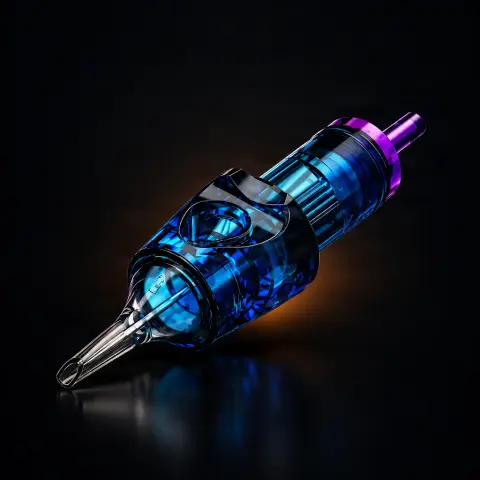
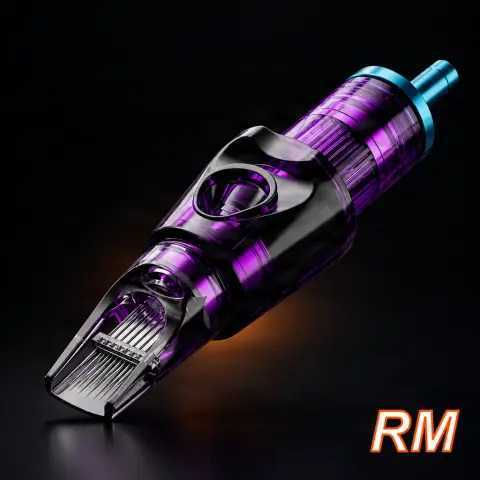
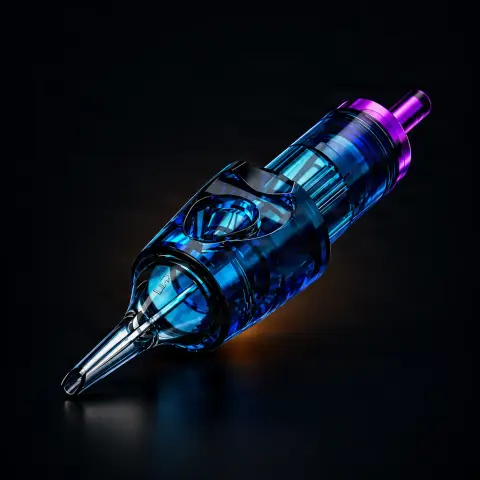
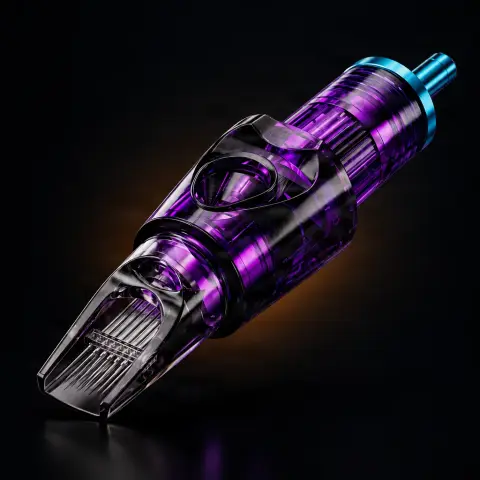
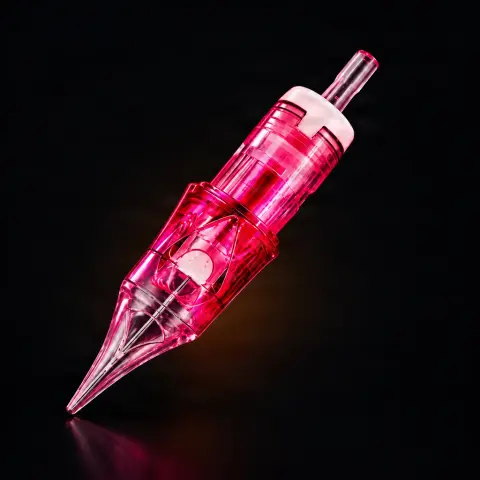
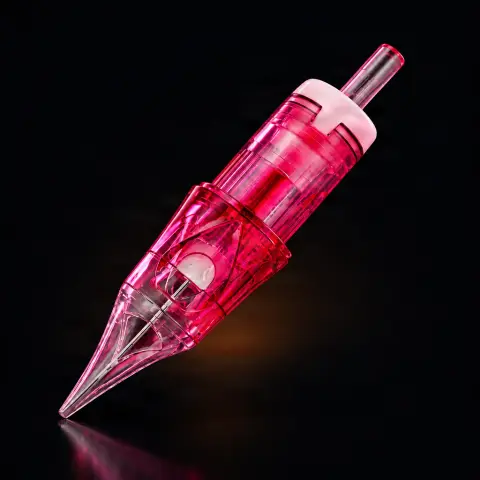
Different styles rely on different needle groupings — fine liners for delicate linework, shaders or magnums for blackwork fill or dotwork gradients. Color palette needs continuity (saturated and pastel tones don't blend easily), and placement should follow the body's natural flow, not just whatever skin is available.
Liner needles for fine vs. bold linework
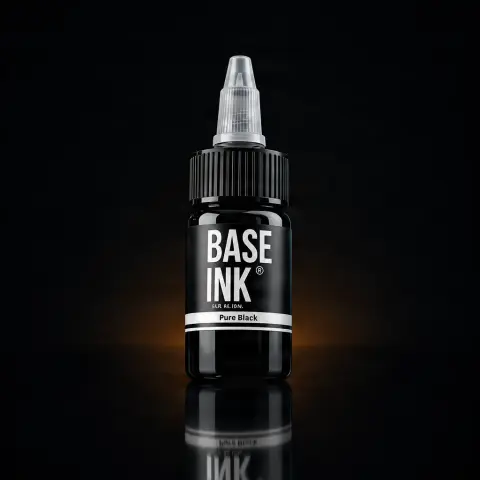
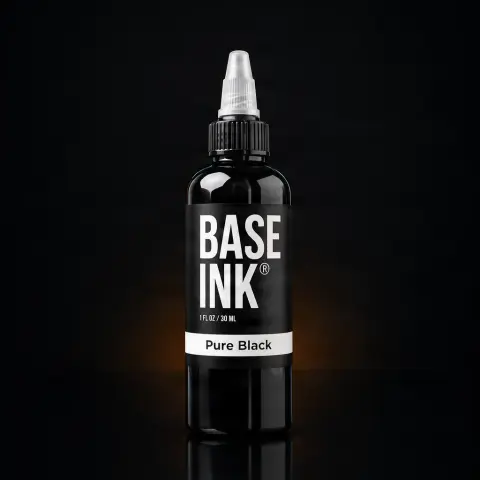
Black ink for blackwork and shading
How to decide with your artist
- Bring clear photos of the existing tattoo, from multiple angles and in natural light.
- Say explicitly whether you want mixing by design (one composition) or by proximity (separate but harmonized pieces).
- Ask for a mockup sketched over a photo of the area, not just a verbal description.
- Ask how the lines will age — thickness, saturation, ink density — over 5 to 10 years.
- If the artist hasn't worked in the existing tattoo's style before, get a second opinion or find someone experienced in both.
Stencil transfer paper
Întrebări frecvente
Can you combine blackwork with watercolor?+
Yes, but carefully — the safest approach is to let blackwork serve as the background or solid outline, with watercolor used only as an interior color accent rather than diffused freely next to solid black, otherwise you risk a visually 'muddy' patch within a few years.
How long should I wait between the two pieces to heal properly?+
The generally accepted industry rule is a minimum of 4-6 weeks between sessions on the same or adjacent areas, so the skin fully heals before another needle exposure.
Does fine line next to bold traditional hold up equally well over time?+
No — fine lines blur and visually spread faster than thick saturated lines, so the 'visual age gap' between the two pieces becomes more noticeable with the years.
How do I choose an artist for a style mix?+
Look for an artist with a solid portfolio in both styles, not just one, or two artists collaborating on the same piece — and ask them to see the existing tattoo before sketching the new one.
Can an old tattoo be visually 'tied' to a new one in a different style?+
Yes, through transition elements — a shared contour line, a unifying blackwork background, or a repeated color palette — but this has to be planned at the sketch stage, not added after the piece is already tattooed.
Does mixing by proximity mean the styles can be completely different?+
Technically yes, but visually it works best when there's at least one shared element — similar line weight, a close palette, or a flow that follows the anatomy — otherwise the pieces look like two tattoos placed at random next to each other.