
Vaccines and Tattoos: How Long to Wait Between Them
A vaccine and a tattoo both put your immune system to work — soreness, redness, sometimes fatigue or a low fever. Book them too close together and you can no longer tell which side effect came from which, right when you'd want to catch a real complication early. Here's the actual timing to plan around, why it matters, and what to do in edge cases.
A flu shot, COVID vaccine, or any other jab puts your immune system to work the same way a tattoo does — the practical rule is at least 2 weeks apart, more if the tattoo lands on the injection site.
Why the two immune responses overlap
A vaccine introduces an antigen — live-attenuated, inactivated, or mRNA — specifically to train your immune system to recognize a pathogen. A tattoo introduces ink into the dermis through thousands of tiny punctures, which is essentially a controlled open wound. Both trigger the same machinery: immune cells rush to the site, release cytokines, and cause local inflammation plus, sometimes, systemic symptoms like fatigue, chills, or a mild fever. Do both in the same window and your body is responding to two separate stimuli at once — making it hard to tell whether redness or feeling unwell traces back to the shot, the tattoo, or an infection that actually needs treatment.
The practical baseline: at least 2 weeks
Most medical and industry sources converge on the same minimum: leave at least 2 weeks between a vaccine and a tattoo session, in either order. The logic runs both ways — vaccine side effects (injection-site soreness, fatigue, mild fever) typically show up in the first few days and resolve within two weeks, and a tattoo needs roughly the same window for surface healing to stabilize. Overlap the two and a real complication, like a tattoo infection, becomes harder to catch in time because its symptoms can blend into a normal vaccine reaction.
- Seasonal flu shot — minimum 2 weeks from your tattoo appointment
- COVID-19 vaccine (initial dose or booster) — minimum 2 weeks; some clinicians suggest up to 30 days
- Routine vaccines (tetanus, HPV, hepatitis, etc.) — same 2-week rule applies
- Any vaccine that left you with fever or feeling unwell — wait until symptoms fully clear, not just the calendar 2 weeks
Tattooing the exact injection site: 4-6 weeks
If you want the tattoo on the same arm (or spot) where you got the shot, push the minimum out to 4-6 weeks. The injection site can carry mild, sometimes invisible, localized inflammation longer than the rest of the body, and the local immune response needs extra time to settle. Tattooing over tissue that's still inflamed raises the odds of skin reactions that are genuinely harder to read — wider redness, swelling, or soreness that lingers past what's normal.
Medical literature includes reported cases of granulomatous reactions surfacing inside old tattoos weeks after a COVID-19 vaccine — essentially, the immune system activated by the shot re-engages with ink particles already sitting in the dermis and reacts locally. These cases are uncommon and generally treatable, but they're one more reason to treat the waiting window as more than a suggestion, especially if you have a history of skin reactions to tattoos.
Already tattooed and due for a vaccine
If the tattoo is fully healed — at least 30 days out, no scabbing, redness, or tenderness — there's no medical reason to avoid vaccinating over it. Clinicians will often still pick the arm without a recent tattoo when they have a choice, more out of caution than proven risk, but an old, fully healed tattoo isn't an actual problem. If the tattoo is fresh (under 30 days) or still scabbing, ask for the injection in the other arm or an untattooed spot.
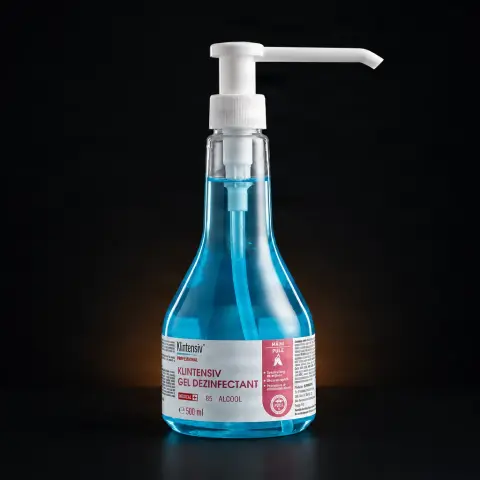
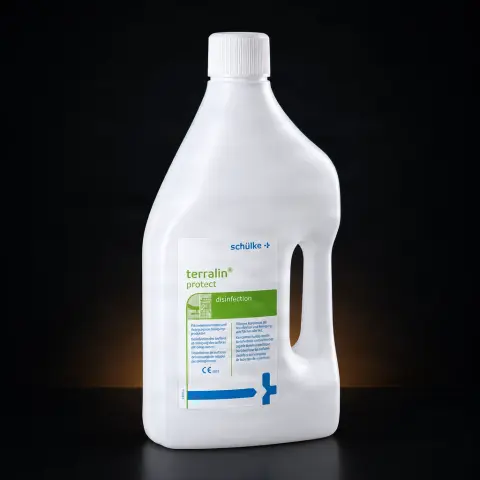
Skin prep before a tattoo session

Special cases: autoimmune conditions and immunosuppressants
If you have an autoimmune condition, take immunosuppressive medication, or had an unusual reaction to a past vaccine, the general rule doesn't apply — check with your treating physician before booking the tattoo. These patients' immune systems can respond differently to both the vaccine and the stress of getting tattooed, and the safe interval may need to run longer than the 2-6 weeks that apply to the general population.
How to actually plan it
- Write down the exact date of your vaccine (and any booster, if relevant).
- Book the tattoo at least 2 weeks out, in either order.
- Tattooing the injection site itself? Stretch that to 4-6 weeks.
- Tell your artist if you were recently vaccinated — a serious studio will ask on the health intake form anyway.
- Don't sit for a tattoo while you still have fever, marked fatigue, or injection-site pain — wait until it's fully gone, even past the 2-week mark.
Tattoo aftercare
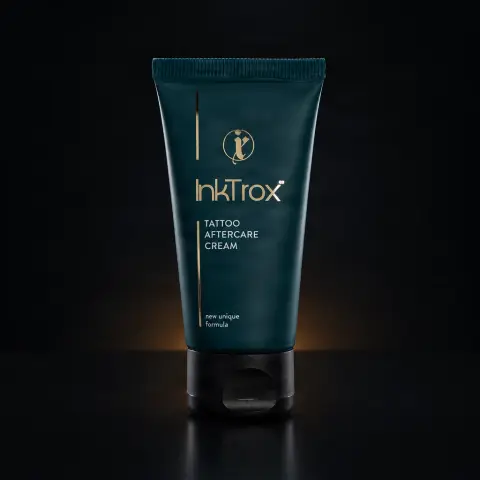


Protection for the first days

This guide gives general, publicly-sourced medical benchmarks, but it doesn't replace advice from a doctor or a professional tattoo artist who knows your history. If you have chronic conditions, known allergies, or unusual reactions to past vaccines, talk through the right interval with your physician before booking.
Browse the recommended before-and-after tattoo care products →
Surse și referințe
Întrebări frecvente
How long should I wait after a flu shot before getting a tattoo?+
At least 2 weeks, provided you're free of symptoms (injection-site soreness, fatigue, mild fever). If symptoms linger past 2 weeks, wait until they're fully gone.
Can I get tattooed on the exact arm where I was vaccinated?+
Not in the first 4-6 weeks. The injection site needs extra time for local inflammation to fully settle before you put a tattoo needle through the same tissue.
If I already have an old tattoo, can I get vaccinated over it?+
Yes, as long as the tattoo is fully healed (at least 30 days, no scabbing or redness). Clinicians may still prefer the other arm out of caution, but it's not a proven medical risk.
Can a COVID vaccine trigger a reaction in an old tattoo?+
There are rare documented cases of granulomatous reactions appearing in old tattoos weeks after a COVID-19 vaccine. These are uncommon and usually treatable, but worth mentioning to a doctor if you notice a reaction localized exactly on tattooed skin.
What actually happens if I get tattooed just a few days after a vaccine?+
The main risk isn't necessarily severe on its own — it's practical: you can no longer easily tell a normal vaccine side effect apart from a sign of tattoo infection, which can delay treatment you actually need.
Is it true that tattoos can affect how well a vaccine works?+
Recent (still preliminary) research suggests tattoos may influence the immune response to certain vaccines — possibly dampening it for COVID-19 and amplifying it for flu. It's not a settled conclusion, but it's one more reason to space the two procedures apart.