
Tetanus Shots and Tattoos: Do You Need a Booster Before Your Appointment?
Tetanus doesn't spread from person to person — it comes from bacterial spores getting into a wound, and a tattoo needle creates exactly that kind of opening thousands of times over a single session. Most studios never ask about your vaccination history, so it's on you to know whether you're due for a booster. Here's what actually determines the risk, and when a booster is genuinely worth getting before your appointment.
A plain-language breakdown of how tetanus bacteria actually get into a tattoo wound, and when a booster shot genuinely matters before you sit in the chair.
What tetanus actually is, and why tattoos come up
Tetanus is caused by a toxin produced by the bacterium Clostridium tetani, not by contact with another infected person. Its spores live in soil, dust, manure, and on dirty or rusty surfaces — rust itself isn't the culprit, dirt is. A tattoo machine punctures the skin thousands of times per minute, creating a huge number of tiny wounds — exactly the kind of opening the bacteria need, if spores happen to reach it.
How the bacteria actually get in
A sterile, single-use needle — standard practice at a licensed studio — doesn't carry the bacteria itself. The real risk comes from elsewhere: skin that wasn't properly disinfected before the session, contact with dirt, soil, or animals during the healing days that follow, unclean water used for rinsing, or equipment reused without proper sterilization (illegal at licensed studios, but possible at unlicensed ones). Spores need a low-oxygen environment to germinate — exactly what a partially closed, healing puncture wound provides in the days after a tattoo.
Proper equipment sterilization dramatically cuts the risk of bacterial infection in general, but a tetanus booster is a separate decision tied to your own vaccination history — not to how clean the studio is.
Clean wound or higher-risk wound? What the medical guidance says
Public health guidance (the CDC in the US, and the same logic used by clinicians elsewhere, including Romania) splits wounds into two categories when deciding on a tetanus booster:
- Clean/minor wound: a booster is needed if more than 10 years have passed since your last dose.
- Higher-risk wound (contaminated, deep, with crushed tissue, or under uncertain hygiene conditions): a booster is recommended if 5 years or more have passed since your last dose.
- A tattoo sits in between the two: done correctly at a licensed studio with sterile equipment, many clinicians treat it as a clean/minor wound — but because it stays open for days while healing, plenty of providers apply the more cautious 5-year rule, especially if you're not sure when you were last vaccinated.
When you actually need a booster before your session
- Check your vaccination record (or ask your GP) for the date of your last tetanus-containing dose (Tdap/Td/DTP).
- Under 10 years, with no other risk factors: you generally don't need a special booster just for a tattoo.
- Over 5 years, especially if the tattoo is somewhere prone to dirt or friction (hands, feet) or you have other conditions that raise your risk: talk to your doctor about a preventive booster.
- No clear record at all (incomplete childhood vaccination, no documentation): a booster is worth getting regardless of the tattoo.
- You don't need an actual injury to get boosted — book it ahead of your appointment through your GP instead of waiting for an emergency.
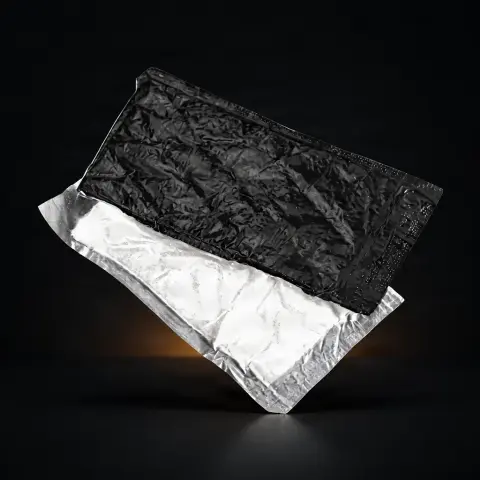
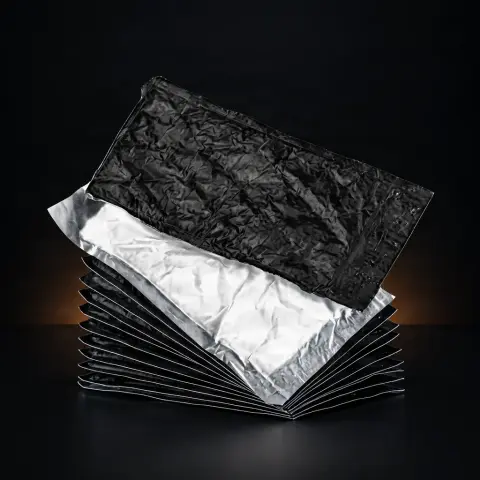
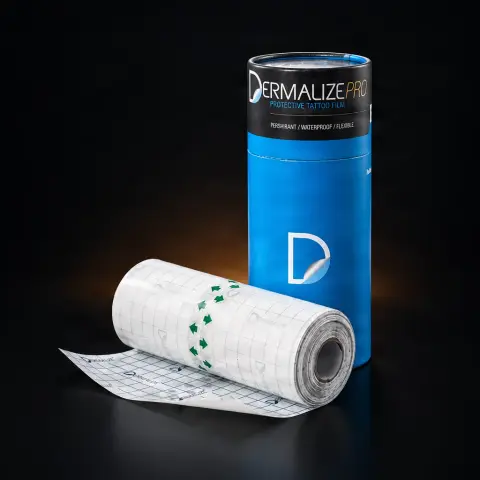
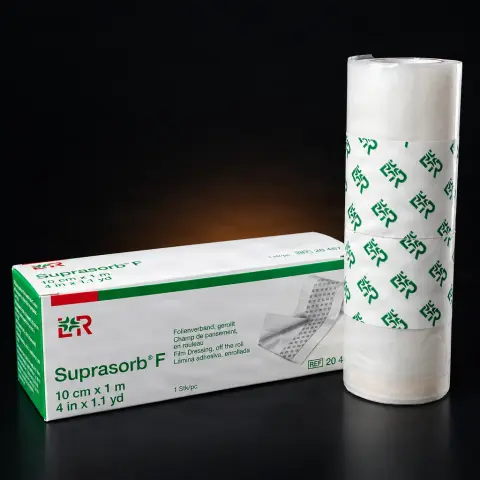
Fresh-Tattoo Protective Film & Patches
What the studio handles, and what's on you
A licensed studio removes most contamination risk through proper sterilization — autoclaved reusable tools, single-use needles, fresh gloves, and disinfecting your skin before the procedure.
- Studio's job: workspace hygiene, sterile or single-use needles and gloves, disinfecting your skin before tattooing.
- Your job: knowing your own vaccination status (and getting a booster if you're due), following aftercare instructions, keeping the fresh wound away from dirt, soil, or animals in the first days.
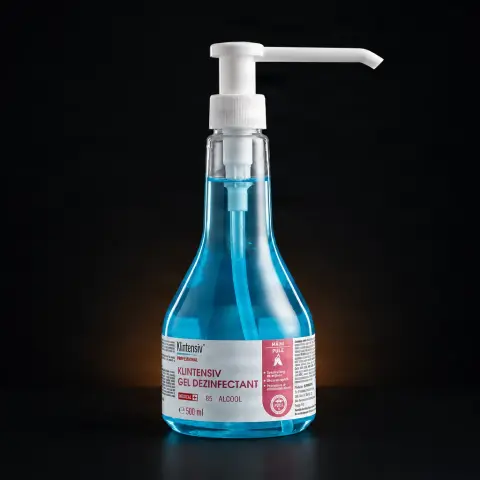
Pre-Tattoo Skin Disinfectants
Aftercare lowers infection risk regardless of your vaccine status
Even if you're fully up to date, proper wound care lowers the risk of any infection, not just tetanus.
- Wash your hands before touching the tattooed area.
- Use only the products your artist recommends for cleaning and moisturizing.
- Skip pools, the sea, saunas, and heavy sweating for about two weeks.
- Keep a fresh tattoo away from dust, soil, sand, or animal contact.
- If the area turns red, hot, swollen, or starts oozing, see a doctor — don't wait it out.
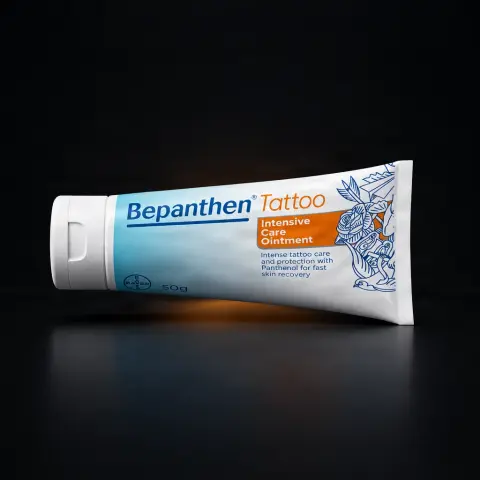
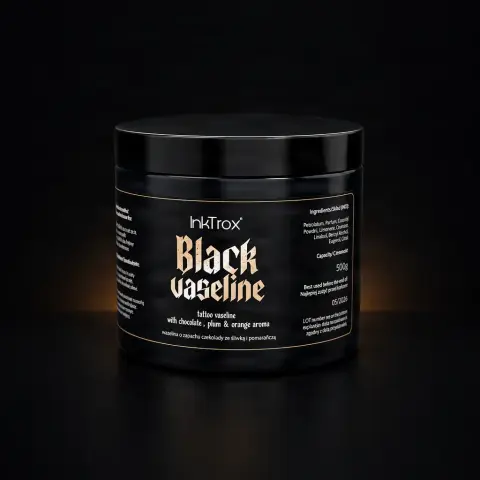
Tattoo Aftercare Healing Ointments

Warning signs: when to get emergency care
Jaw stiffness (lockjaw), muscle spasms starting in the face and neck and spreading down the body, difficulty swallowing, fever, and sweating — symptoms typically appear between 3 and 21 days after contamination. Tetanus is a medical emergency; if these show up after a tattoo (or any wound), go to the ER right away.
Find tattoo aftercare products →
Surse și referințe
- CDC — Tetanus Vaccination
- Minnesota Dept. of Health — Summary Guide to Tetanus Prophylaxis in Routine Wound Management
- Merck Manual (Professional Edition) — Tetanus Prophylaxis in Routine Wound Management
- Medlife.ro — Vaccinul antitetanos: când se face și cât timp este eficient
- Sfatul Medicului — Clostridium tetani
Întrebări frecvente
Am to legally show proof of a tetanus booster to get a tattoo?+
No — there's no law tying a tattoo appointment to proof of tetanus vaccination anywhere this guide covers. It's a personal health decision, ideally made after checking with your GP.
How long does a tetanus vaccine actually protect you?+
Protection fades over time. The standard booster interval is every 10 years, but for higher-risk wounds the recommended safety window drops to 5 years.
Can a sterile tattoo needle give you tetanus?+
No — a sterile, single-use needle doesn't carry the bacteria. The risk comes from contamination of the wound before, during, or after the session, not from the needle itself.
What if I have no idea when my last booster was?+
Talk to your GP. Without a clear record, a preventive booster is generally recommended, especially before a procedure that creates dozens of tiny puncture wounds.
Can a tattoo studio ask me to prove I'm vaccinated?+
It's not standard practice. Studios are responsible for sterilizing equipment and following hygiene protocols; your vaccination status stays your own responsibility.
What tetanus symptoms should I watch for after a tattoo?+
Jaw stiffness, muscle spasms, difficulty swallowing, and fever. If any of these appear in the days or weeks after a tattoo, treat it as a medical emergency and seek care immediately.