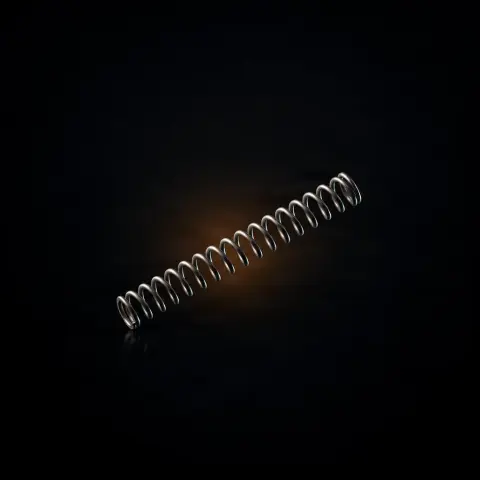
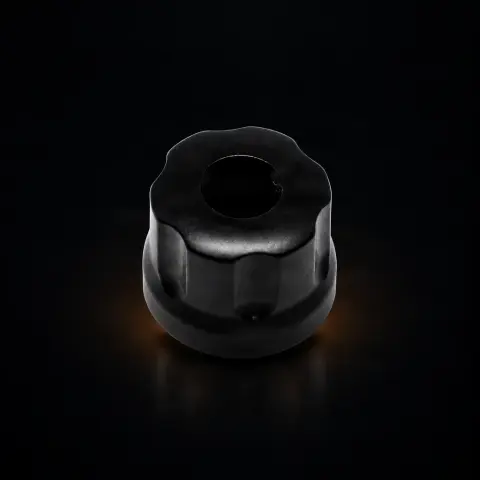
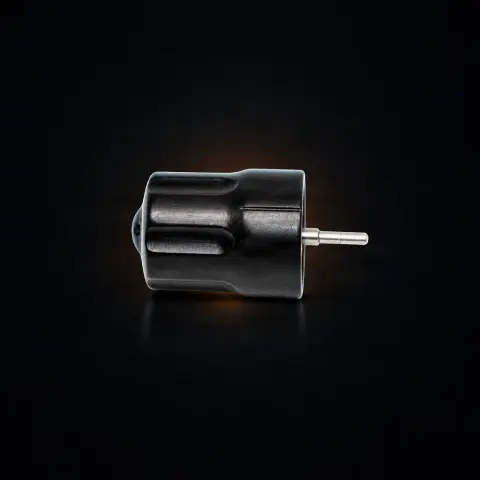
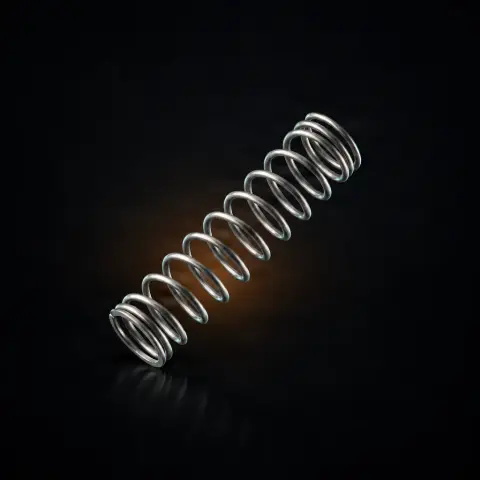
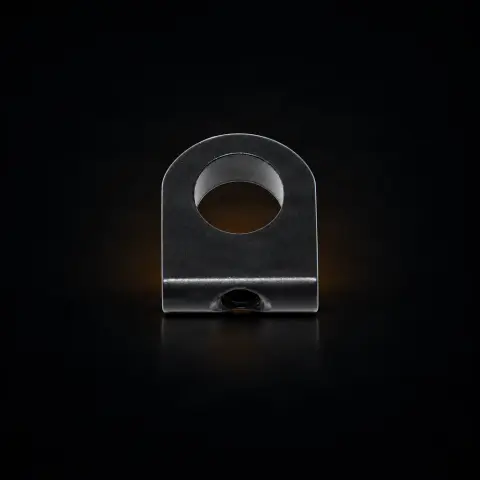
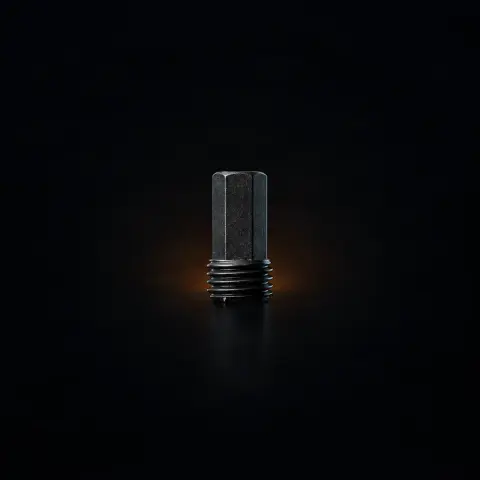
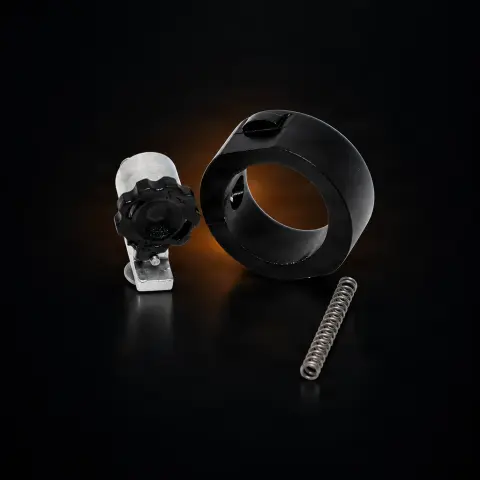
This is spare part no. 70 — the complete motor assembly for the Ink Machines Stingray pen-style rotary machine, standard version. The motor is the component that drives the cam and, through it, the needle bar, so the power and consistency of the needle stroke depend directly on it. It is intended for artists who already own a Stingray and need to replace a worn or defective motor. It is an original repair part, sold exclusively as a spare for the Stingray.
On which machine is this part installed?▾
It is designed exclusively for the Ink Machines Stingray machine, standard version, and is sold only as a spare part for the Stingray. It is not a universal part.
Does it also work on the Dragonfly?▾
No. According to the description, the Stingray motor is designed exclusively for the Stingray; the Dragonfly has a different mechanical architecture, and parts are not interchangeable between the two machines.
Do I also need to buy the cam or shaft along with the motor?▾
Not necessarily. The cam bracket and shaft are sold separately from the motor. Buy them only if they are also worn; if you are strictly replacing the motor, this part is sufficient.
How do I know the motor needs to be replaced?▾
Typical signs are: gradual power loss (you need higher voltage for the same stroke), abnormal motor noise, excessive heating, intermittent operation, or a burning smell. Before replacing it, check the power supply, clipcord, and binding posts, so you don't change a good part for nothing.
Why the 'standard' version and not another?▾
The standard version is optimized for a balance between power and control — suitable for both lining and shading, coloring, and blending. It is the most versatile choice for artists who use a single machine for multiple techniques.
How long does the motor last and how do I maintain it?▾
With proper maintenance — following the operating voltage, periodic cleaning and lubrication — a quality motor can last years in professional use (typically 3-7 years under heavy use). You shorten its life by overvoltage, lack of lubrication, operation with a locked cam, and excessive humidity.