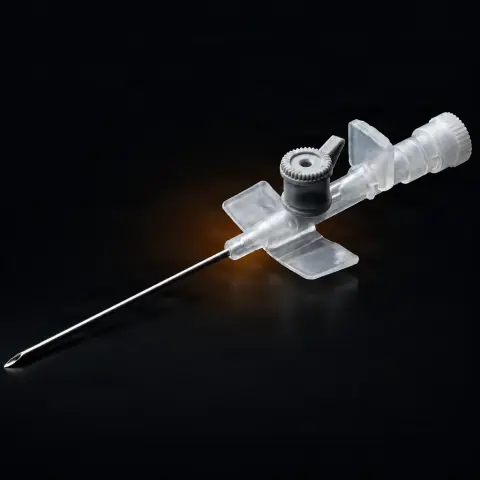
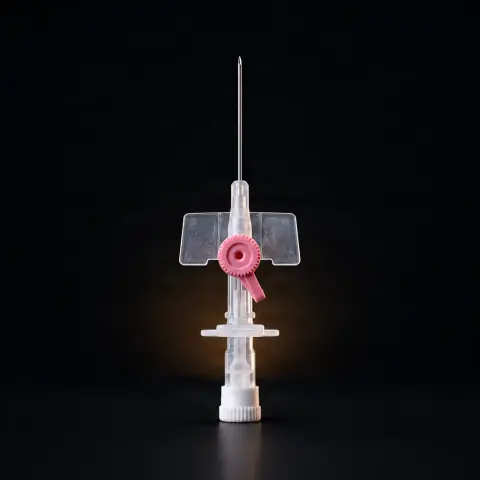
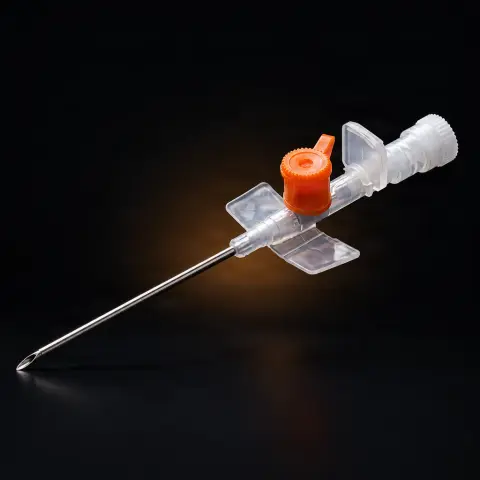
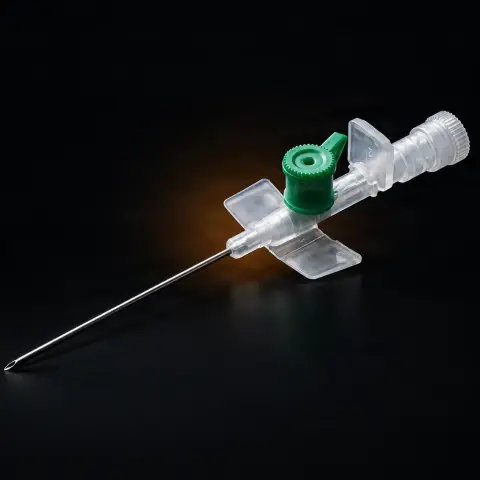
Product description
-needle size is 16G-hole diameter 1.2mm-made of stainless steel-sterile packaged -single-use product The 16G Piercing Needle is the professional needle dedicated to fine and delicate piercings, the standard for most facial and ear procedures. 16 gauge (1.2mm diameter) is the ideal caliber for locations that require thin, discreet jewelry — helix, tragus, conch, daith, rook, nostril (nose), thin lip (labret, monroe, medusa) and eyebrow. Made of AISI 316L surgical stainless steel with a precision-sharpened triplanar tip, the needle penetrates skin and cartilage tissue with minimal resistance, reducing tissue trauma, perceived pain and healing time. The 1.2mm diameter creates a channel stable enough for the jewelry but small enough to blend discreetly into facial and auricular anatomy. Individually sterilized by gamma radiation or ethylene oxide and packaged in a sealed pouch with a sterility indicator, each needle guarantees maximum safety. The needle is SINGLE-USE — a new, sterile needle, opened in front of the client for each procedure. Reusing needles is prohibited by law and constitutes a serious risk of infection transmission. 16 gauge is the second most popular caliber after 14G, being essential in any professional piercing studio. The length of the needle allows for an ergonomic grip and precise control of penetration through cartilage or soft tissue. Frequently Asked Questions What piercings is the 16G needle used for? The 16G needle is the standard for fine piercings: helix (upper edge of the ear), tragus (the prominence in front of the ear canal), conch (the inner cavity of the ear), daith (the inner fold of cartilage), rook, forward helix, nostril (side of the nose), thin septum, labret (lower lip), monroe/medusa (upper lip), and eyebrow. All these locations benefit from thin 16G jewelry that blends in discreetly and aesthetically. Does the 16G needle hurt less than the 14G one? Generally, yes — a thinner needle means a smaller penetration area and therefore a reduced sensation. The diameter difference is 0.4mm (1.2mm vs. 1.6mm), which translates into a perceived difference in pain. However, the piercing location has a greater impact on pain than the needle gauge. A tragus piercing with a 16G needle through thick cartilage can be perceived as more painful than a lobe piercing with a 14G needle through soft tissue. The quality of the needle's sharpening and the piercer's technique are crucial factors. Does the 16G needle go through cartilage? Yes, a quality 16G needle with a triplanar tip penetrates ear cartilage without problems. Ear cartilage (present in the helix, tragus, conch, daith, rook) has variable thickness but is accessible to a sharp 16G needle. The key is the quality of the sharpening — a premium needle cuts the cartilage cleanly, without fracturing or cracking it. Lower-quality needles with poor sharpening can cause cartilage cracking, resulting in excessive pain, problematic healing and risk of keloids. What jewelry fits a 16G piercing? 16G jewelry includes: labret stud (for tragus, conch, labret, medusa), segment ring (helix, daith, septum), captive bead ring (helix, conch), curved barbell/banana barbell (rook, daith, eyebrow), nostril screw/L-bend/corkscrew (nose). Recommended material for healing: implant-grade titanium (ASTM F136). After healing, options expand to 14K/18K gold, niobium and surgical steel with gemstones, opals and other decorations. Can I use a 16G needle for a navel piercing? Technically possible but not recommended. Navel piercing standardly uses 14G gauge. Reason: the navel area is subject to constant movement (bending, twisting of the torso) and contact with clothing — a thinner 16G piece of jewelry is more susceptible to migration (gradual rejection by the body) and to accidental injury. A 14G barbell provides the structural stability needed in an area with high mechanical stress. What is the healing time for 16G piercings? Healing time depends on location, not on gauge: Earlobe (16G): 6-8 weeks. Helix/Tragus/Conch (16G through cartilage): 6-12 months. Nostril (16G): 4-6 months. Septum (16G): 6-8 weeks. Labret/Monroe (16G): 6-12 weeks. Eyebrow (16G): 6-8 weeks. Cartilage piercings heal the slowest due to the reduced vascularization of cartilage. Following post-piercing aftercare is critical. Is a 16G needle better than a piercing gun? Absolutely yes. The professional piercing needle is superior to the piercing gun in every respect: 1) The needle cuts cleanly — the gun forces the jewelry through the tissue by impact, causing massive tissue trauma...