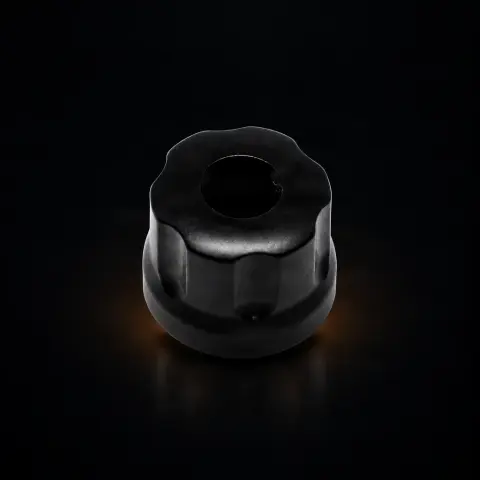
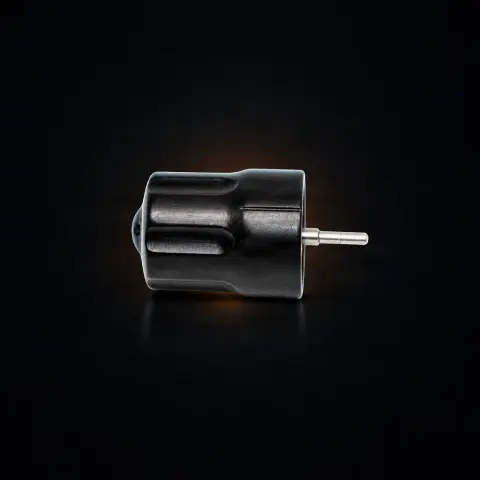
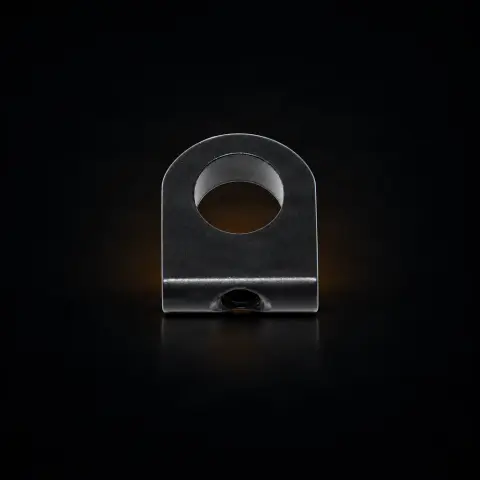
Part no. 43 — „Tube Vice Assembly” — is the assembly that secures the working tube (grip) to the body of the InkMachines Dragonfly rotary machine. Essentially, it is the screw tightening mechanism that keeps the grip centered and firm, without lateral play or rotation, throughout the entire session. It is a replacement part dedicated to artists who already own a Dragonfly machine and need to replace a worn or improperly tightening grip assembly. It is sold individually (1 piece), model code 375583.
What exactly is the role of this part on the Dragonfly machine?▾
It is the assembly that secures the working tube (grip) to the body of the InkMachines Dragonfly machine. Through a screw tightening mechanism, it applies pressure on the tube's circumference and locks it in position, without lateral play or rotation. Without a functional tube vice, the grip would slip or rotate during work, making precise control of needle direction and depth impossible.
How do I know it needs to be replaced?▾
Typical signs of wear are: the grip has play even when tightened to the maximum, the screw thread no longer engages properly, the contact surface shows deep wear marks, or unusual noises/vibrations occur in the grip area. When you notice any of these, replace the assembly.
What is the part compatible with?▾
It is designed for the InkMachines Dragonfly rotary machine (model code 375583). Since InkMachines has used multiple versions of the machine over time, we recommend confirming your machine's version before ordering and using the original part — generic copies may have different tolerances leading to play or insufficient tightening.
Does it fit on another machine, for example on the Stingray?▾
Do not rely on interchangeability between different machines. Different models have different architectures and clamping systems, and a part from another machine may not fit or tighten correctly. Always choose the assembly dedicated to your machine — in this case, Dragonfly.
How do I clean and maintain it?▾
After use, clean the thread and contact surface of residues and solutions, then disinfect the component according to your studio's hygiene protocol. Being a mechanical part subjected to repeated tightening-loosening cycles, check it periodically; proper maintenance preserves precise tightening and extends its lifespan.
What risks arise if I work with a loose tube vice?▾
A worn assembly that no longer tightens properly can allow the grip to rotate or slide on the vertical axis, uncontrollably changing the needle angle and depth, leading to irregular lines. The mechanical play also increases vibrations, which can accelerate wear on other components, and in an extreme scenario the grip may detach during the session. At the first signs of loosening, replace the part immediately.